
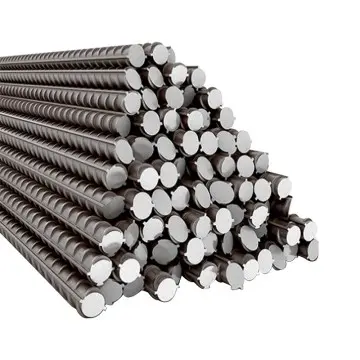

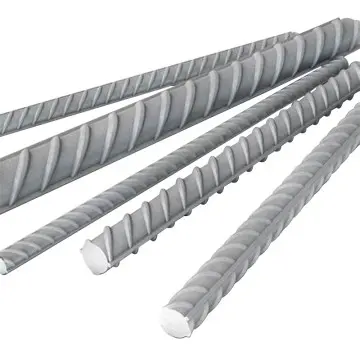
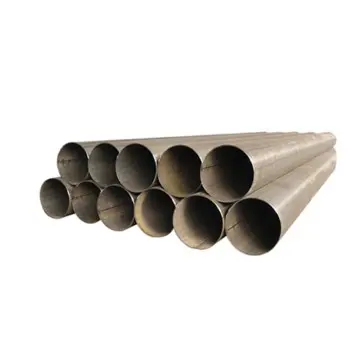
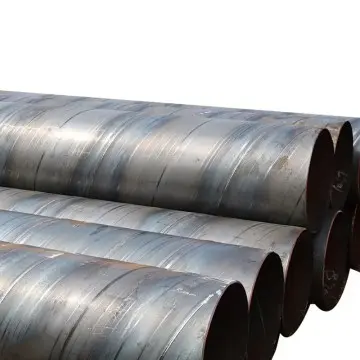
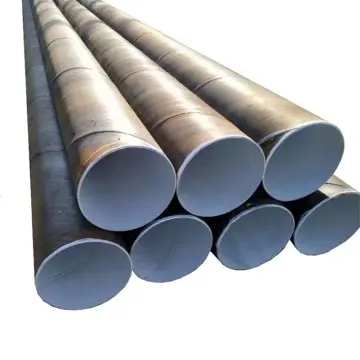
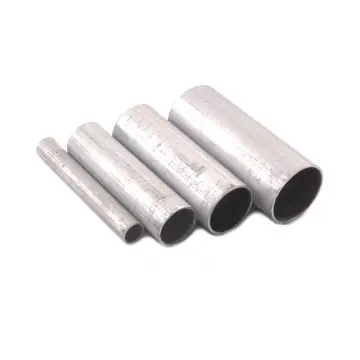
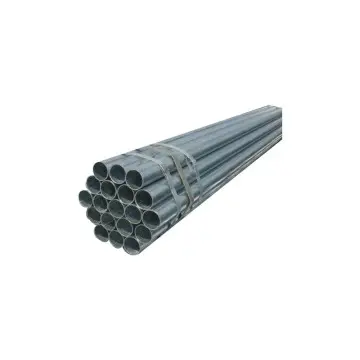


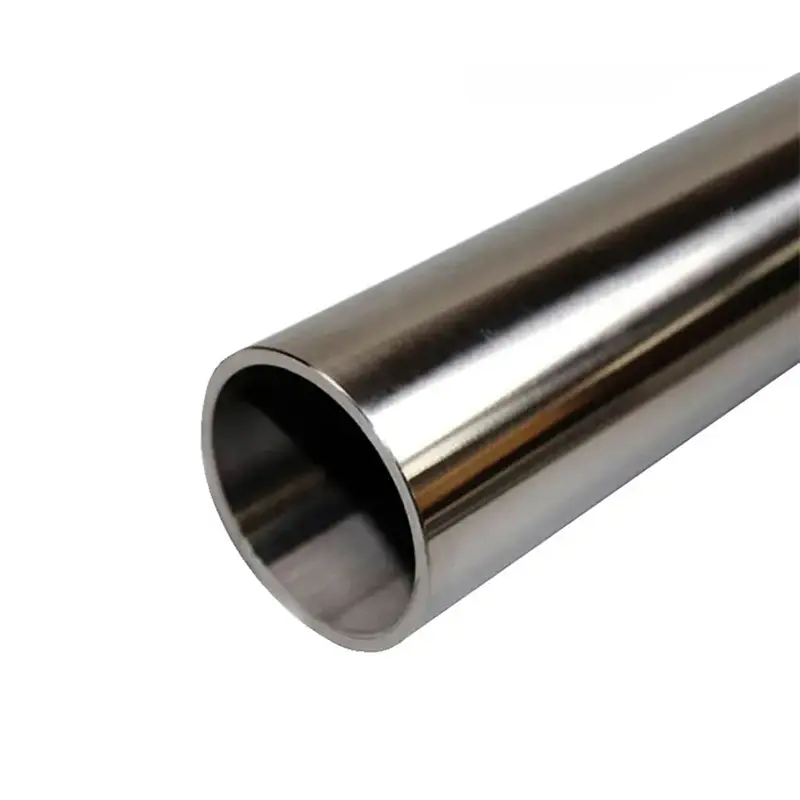
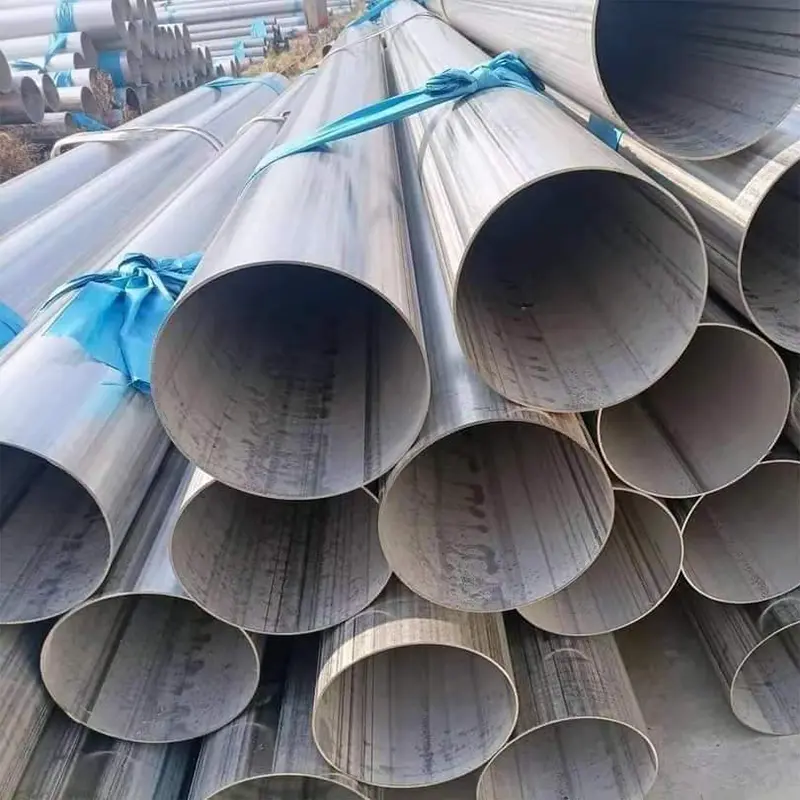
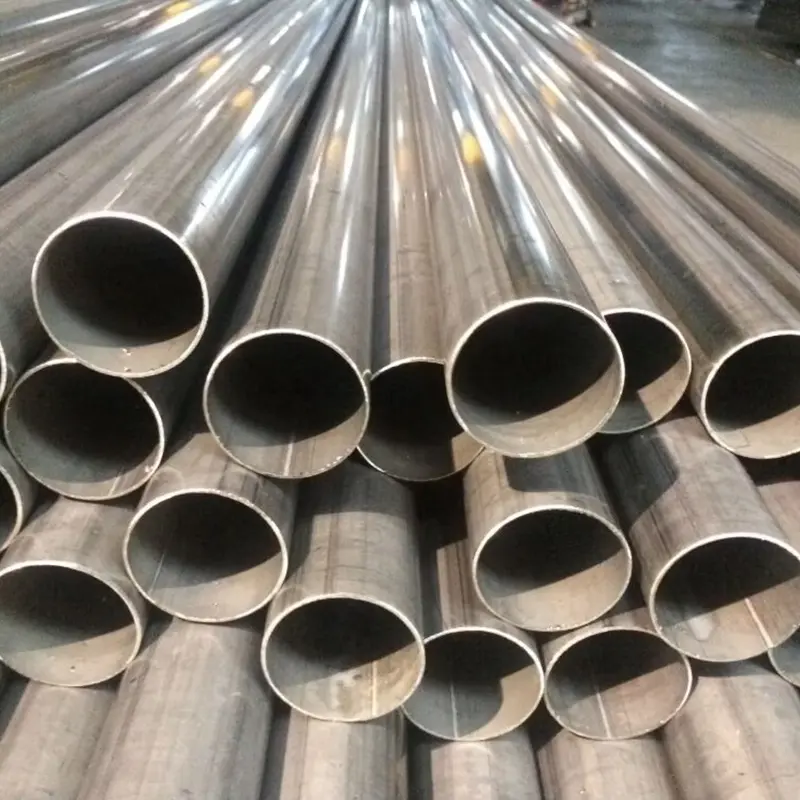
305 high quality stainless steel pipe
specification
|
Product Name |
305 stainless steel pipe |
|
|
Standard |
ASTM,JIS,DIN,GB,AISI,DIN,EN |
|
|
Outer diameter |
Round Pipe |
4mm-200mm |
|
Square Pipe |
10*10mm-100*100mm |
|
|
Rectangular Pipe |
10*20mm-50*100mm |
|
|
Wall Thickness |
0.6mm-6.0mm |
|
|
Length range |
1-6 meters, Length can be customized |
|
|
Error |
±1% |
|
|
Certification |
ISO 9001 ,CE,API |
|
|
Surface treatment |
Black, Bright Polished, Rough Turning, Matt Surface Treatment, No. 4. BA, etc. |
|
|
Country of origin |
China |
|
|
Main Applications |
1.Chemical industry: Due to its excellent corrosion resistance, 305 stainless steel pipes are often used in the transportation and storage of chemicals. |
|
|
2.Food processing: In the food industry, 305 stainless steel pipes are widely used in food and beverage production equipment to ensure hygiene and corrosion resistance. |
||
|
3.Medical Equipment: Due to its good biocompatibility and corrosion resistance, 305 stainless steel pipes are also used in the manufacture of medical devices and equipment. |
||
|
4.Architectural decoration: In the construction industry, 305 stainless steel pipes can be used for decorative structures and railings, etc., due to their beauty and durability. |
||
|
5.Automobile Industry: In automobile manufacturing, 305 stainless steel pipes can be used in exhaust systems and other parts that require corrosion resistance. |
||
|
6.Heat Exchanger: Due to its good thermal conductivity and corrosion resistance, 305 stainless steel pipe is often used in the manufacture of heat exchangers. |
||
|
Package |
Simple packaging, reinforced packaging, wooden frame, metal frame, pallet, wrapping |
|
|
Payment Term |
TT, LC,Cash, Paypal, DP, DA,Western Union or Others. |
|
|
After-sales service |
1. Quality assurance period 2. Return and exchange policy 3. Delivery and acceptance assistance 4. Customer feedback collection |
|
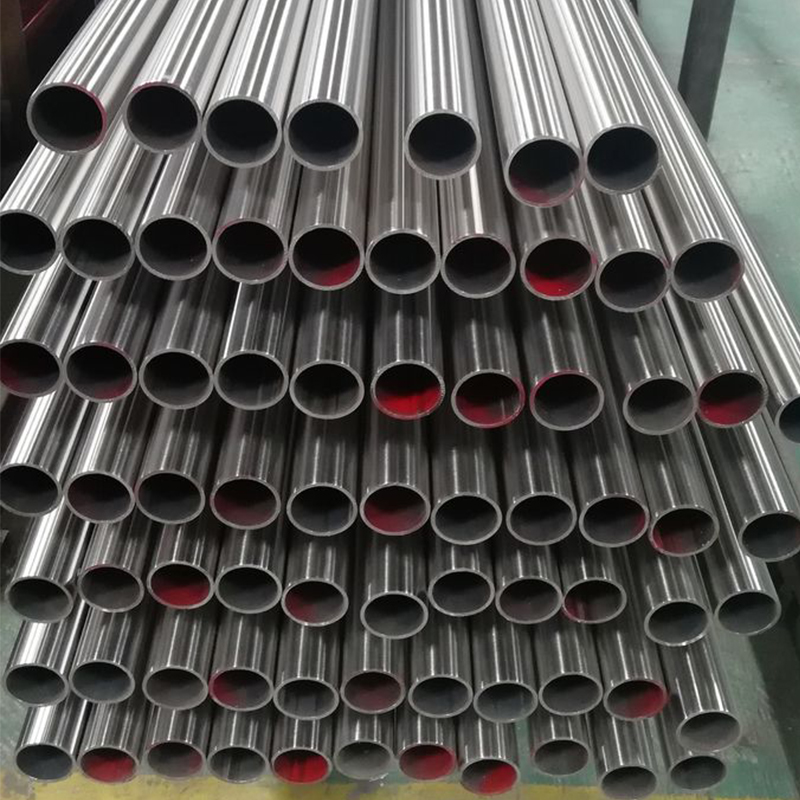
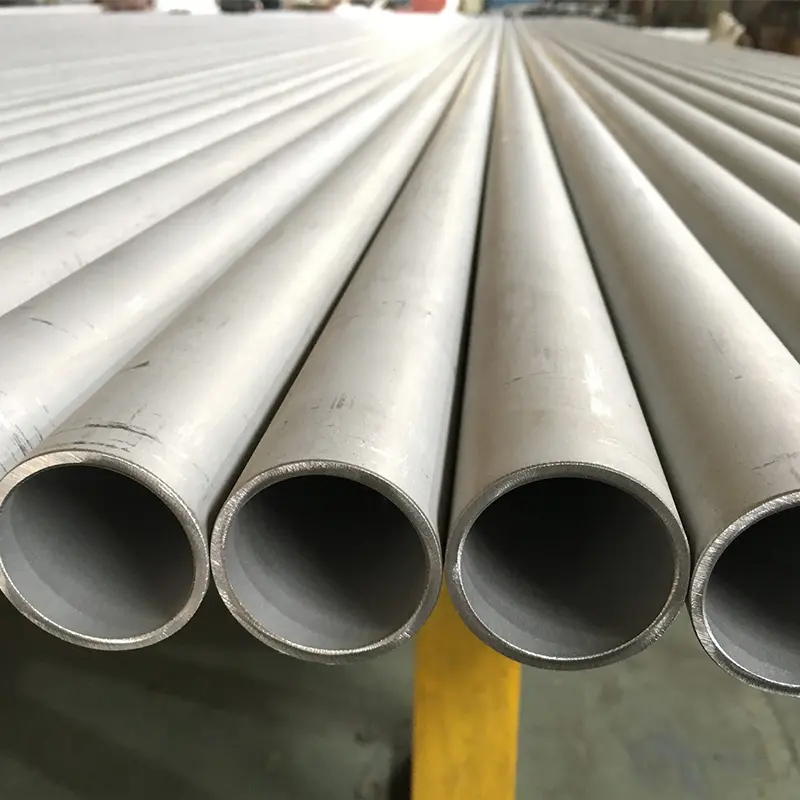
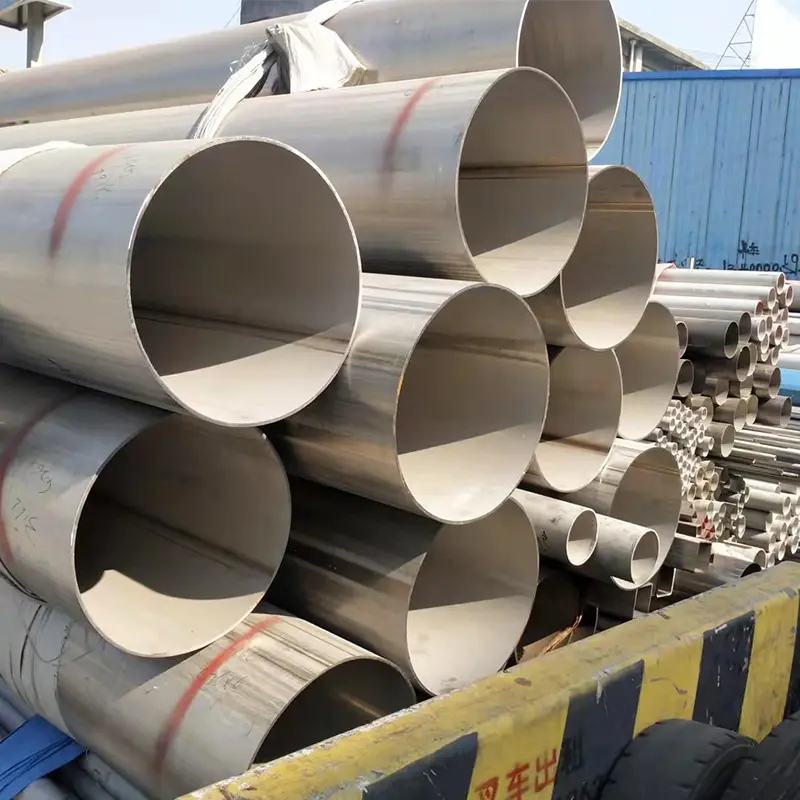
Product Display
Chemical Composition
|
C |
Si |
Mn |
Cr |
Ni |
S |
P |
|
≤ 0.04 |
≤0.75 |
≤ 2.0 |
17.0~19.0 |
10.5~13.0 |
≤ 0.03 |
≤ 0.045 |
Mechanical Properties
|
Tensile Strength Kb (MPa) |
Yield Strength σ0.2 (MPa) |
Elongation D5 (%) |
Hardness |
|
≥515 |
≥ 205 |
≥ 35 |
≤ 187HB;≤ 90HRB;≤ 200HV |
Physical Performance
|
Density(g/cm³) |
Modulus of Elasticity(Gpa) |
Coefficient of Thermal Expansion(10-6/°C) |
Coefficient of Thermal Conductivity(W/m*K) |
Resistivity(ΜΩ. cm) |
|
7.99 |
193 |
17.3 |
16.2 |
72 |
Production process
Raw material preparation:
Select appropriate alloying elements, mainly including iron, nickel, chromium, etc., to ensure that the composition requirements of 305 stainless steel are met.
Smelting:
The raw materials are placed in an electric arc furnace or induction furnace for melting to form liquid metal. The temperature and composition need to be controlled during the melting process to ensure the uniformity of the alloy.
Casting:
The molten metal is poured into a mold and cooled to form an ingot. The size and shape of the ingot are designed according to the subsequent processing requirements.
Hot rolled or cold rolled:
After the ingot is heated to the appropriate temperature, it is rolled through a hot rolling mill, or rolled through a cold rolling mill at room temperature, and the ingot is gradually rolled into the required pipe thickness and diameter.
Welding (if applicable):
For some stainless steel pipes, welding process may be required to weld coils or strips into pipes. After welding, the weld needs to be removed.
Annealing:
The rolled stainless steel pipe is annealed to eliminate internal stress and improve the toughness and corrosion resistance of the pipe.
Pickling and passivation:
The surface oxides and impurities are removed by pickling, followed by passivation to enhance the corrosion resistance of stainless steel.
Cutting and forming:
According to customer needs, stainless steel pipes are cut into required lengths and shapes for further forming.
Inspection and testing:
Conduct quality inspection on finished products, including size, appearance, mechanical properties and chemical composition, to ensure compliance with relevant standards and customer requirements.
Packaging and Shipping:
Pack qualified 305 stainless steel pipes and prepare to ship to customers.