
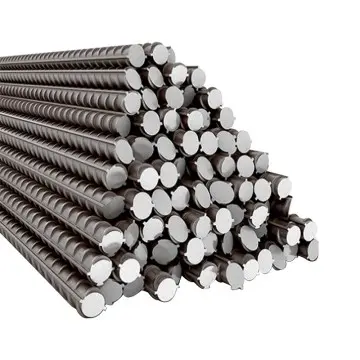

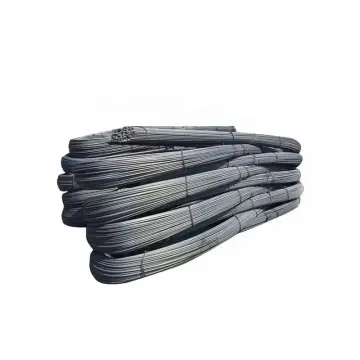
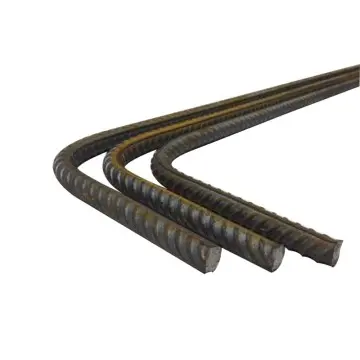
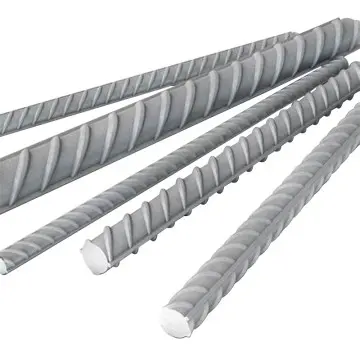
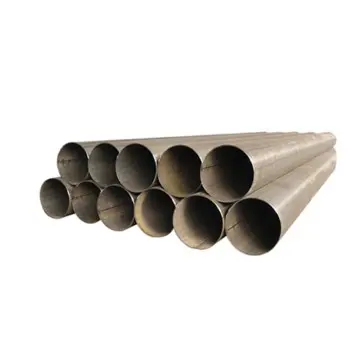
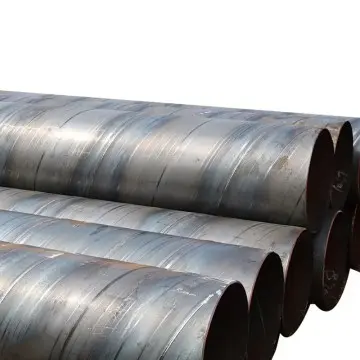
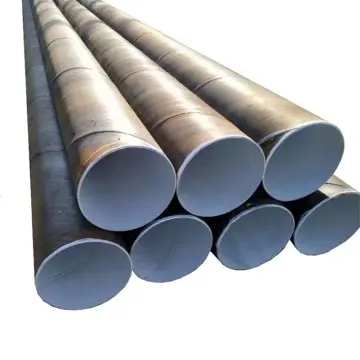
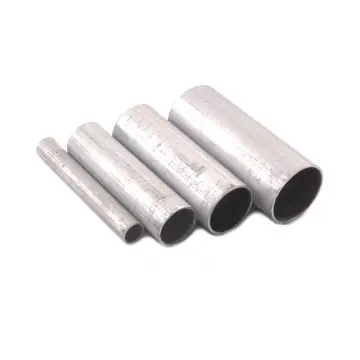
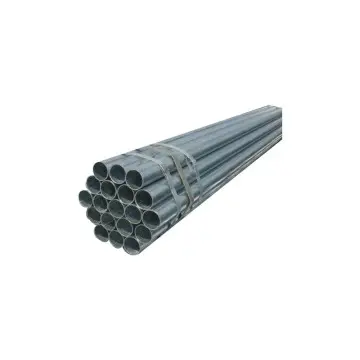


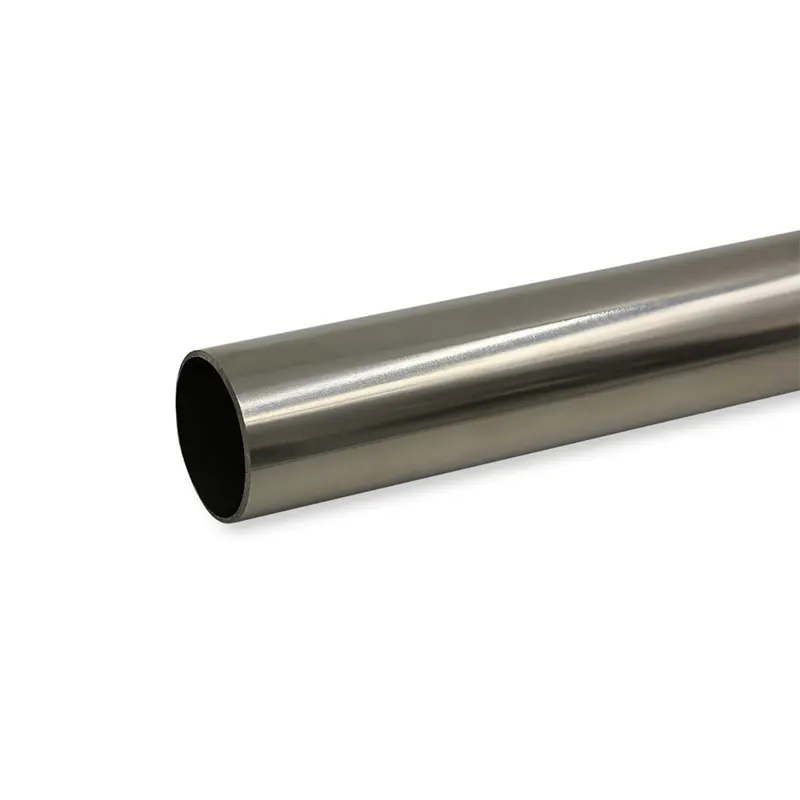
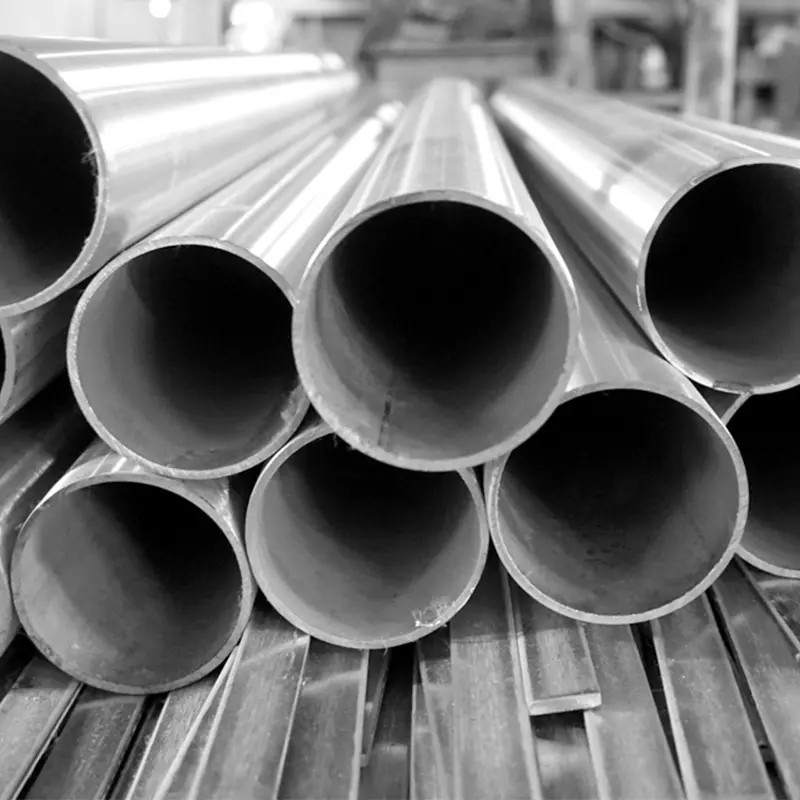
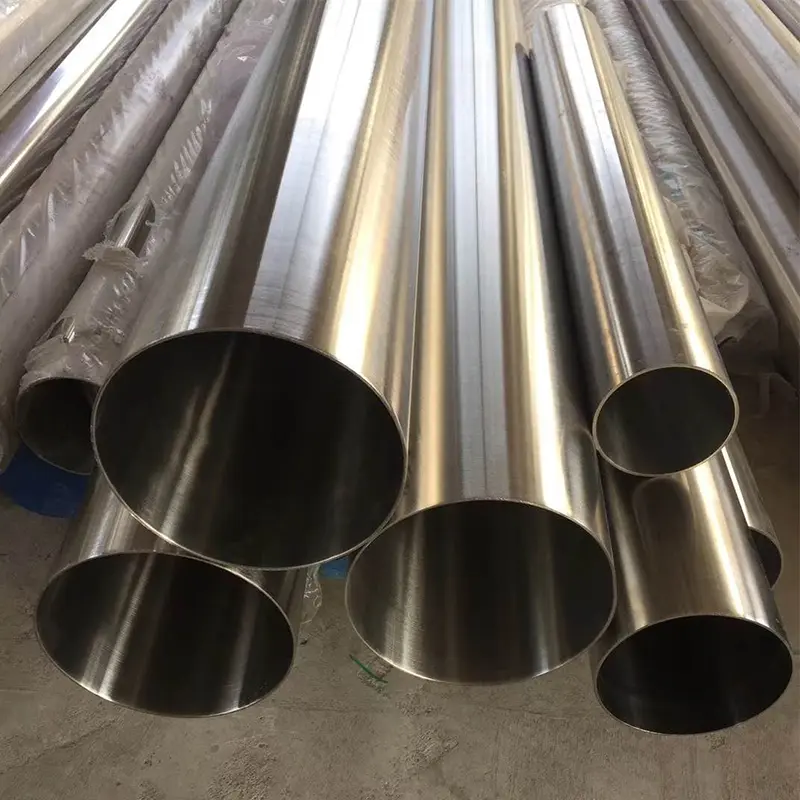
316L high quality stainless steel pipe
specification
|
Product Name |
316L stainless steel pipe |
|
|
Standard |
ASTM,JIS,DIN,GB,AISI,DIN,EN |
|
|
Outer diameter |
Round Pipe |
4mm-200mm |
|
Square Pipe |
10*10mm-100*100mm |
|
|
Rectangular Pipe |
10*20mm-50*100mm |
|
|
Wall Thickness |
0.6mm-6.0mm |
|
|
Length range |
1-6 meters, Length can be customized |
|
|
Error |
±1% |
|
|
Certification |
ISO 9001 ,CE,API |
|
|
Surface treatment |
Black, Bright Polished, Rough Turning, Matt Surface Treatment, No. 4. BA, etc. |
|
|
Country of origin |
China |
|
|
Main Applications |
1.Chemical industry: Due to its excellent corrosion resistance, 316L stainless steel is often used in chemical reactors, storage tanks, pipelines and other equipment. |
|
|
2.Marine engineering: In the marine environment, 316L stainless steel can resist salt water corrosion and is suitable for ships, offshore platforms, etc. |
||
|
3.Food and Pharmaceutical Industry: 316L stainless steel pipes meet hygiene standards and are commonly used in food processing equipment, pharmaceutical equipment, and biotechnology equipment. |
||
|
4.Oil and gas industry: Used for pipelines, valves and other equipment that can withstand high temperature and high pressure environments. |
||
|
5.Architecture and decoration: In construction, 316L stainless steel pipes can be used for railings, facade decoration, etc., and are favored for their beauty and durability. |
||
|
6.Medical devices: Due to its excellent biocompatibility, it is often used in medical devices and implants. |
||
|
7.Heat Exchanger: In heat exchangers, 316L stainless steel pipes are widely used due to their corrosion resistance and thermal conductivity. |
||
|
Package |
Simple packaging, reinforced packaging, wooden frame, metal frame, pallet, wrapping |
|
|
Payment Term |
TT, LC,Cash, Paypal, DP, DA,Western Union or Others. |
|
|
After-sales service |
1. Quality assurance period 2. Return and exchange policy 3. Delivery and acceptance assistance 4. Customer feedback collection |
|
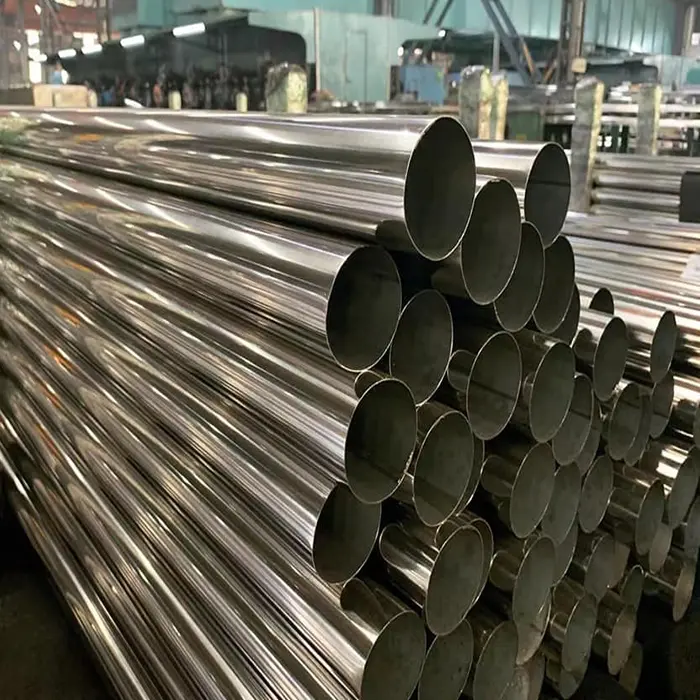
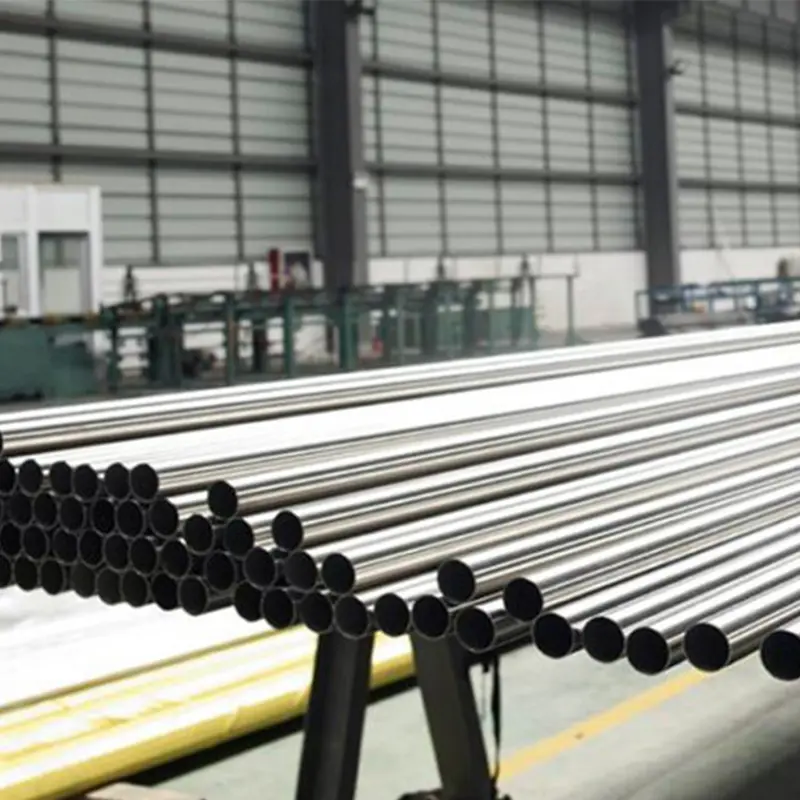
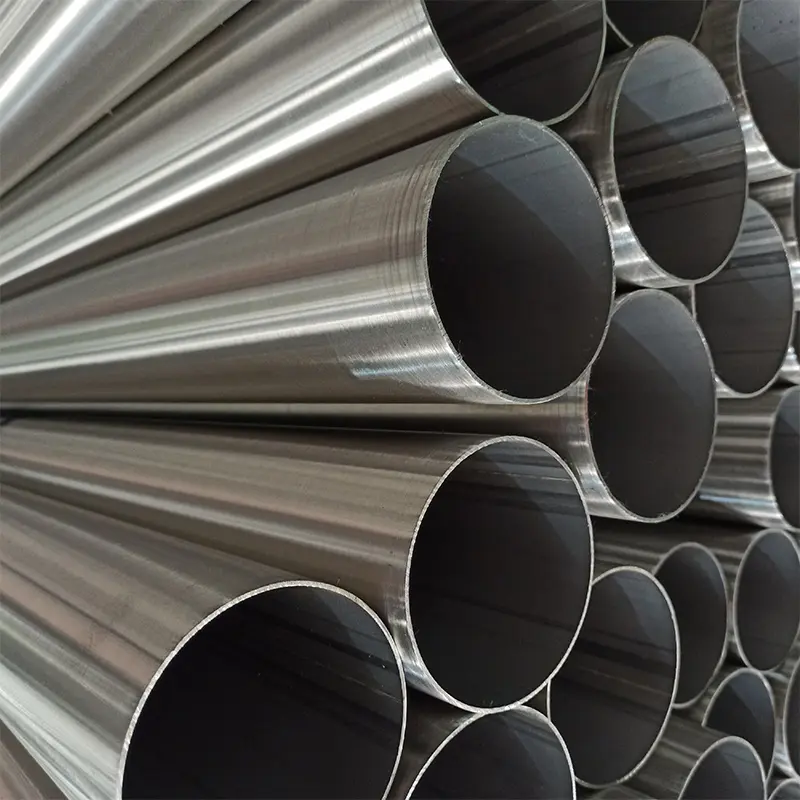
Product Display
Chemical Composition
|
C |
Si |
Mn |
Cr |
Ni |
S |
P |
Mo |
|
≤ 0.03 |
≤1.0 |
≤ 2.0 |
16.0~18.0 |
10.0~14.0 |
≤ 0.03 |
≤ 0.045 |
2.0~3.0 |
Mechanical Properties
|
Tensile Strength Kb (MPa) |
Yield Strength σ0.2 (MPa) |
Elongation D5 (%) |
Hardness |
|
≥480 |
≥177 |
≥40 |
≤ 187HB;≤ 90HRB;≤ 200HV |
Physical Performance
|
Density(g/cm³) |
Modulus of Elasticity(Gpa) |
Coefficient of Thermal Expansion(10-6/°C) |
Coefficient of Thermal Conductivity(W/m*K) |
Resistivity(ΜΩ. cm) |
|
7.99 |
193 |
16.0 |
16.2 |
74 |
Production process
Raw material preparation:
Select appropriate alloying elements, such as nickel, chromium, molybdenum, etc., to ensure that they meet the composition standards of 316L stainless steel.
Smelting:
The raw materials are placed in an electric arc furnace or induction furnace for melting to form liquid metal. The temperature and composition need to be controlled during the melting process to ensure the uniformity of the alloy.
Casting:
Molten metal is poured into a mold and cooled to form an ingot or block. The cooling rate during the casting process needs to be controlled to avoid internal defects.
Hot rolled or cold rolled:
After the ingot or block is heated to the appropriate temperature, it is rolled through a hot rolling mill to form a preliminary tube billet. Cold rolling is carried out at room temperature to further improve the strength and surface finish of the tube.
Tube forming:
The tube blank is processed into the required tube by extrusion, welding or seamless process. Seamless tubes are usually manufactured by piercing and expanding tubes, while welded tubes are made by welding metal sheets into a tubular shape.
Heat treatment:
Heat treat the tube to eliminate internal stress and improve its mechanical properties. Common heat treatment methods include annealing and solution treatment.
Cooling and cleaning:
After heat treatment, the tube needs to be cooled quickly and cleaned to remove surface oxides and impurities.
Inspection and testing:
Carry out various inspections on finished pipes, including dimensional measurement, appearance inspection, mechanical property testing and corrosion testing, etc., to ensure that they meet relevant standards and customer requirements.
Surface treatment:
Surface treatment such as pickling and polishing can be performed as needed to improve the corrosion resistance and aesthetics of the pipe.
Packaging and Shipping:
Pack qualified 316L stainless steel pipes and prepare to ship to customers.