
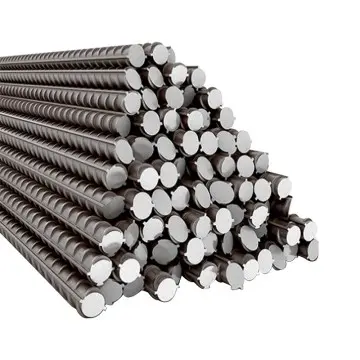

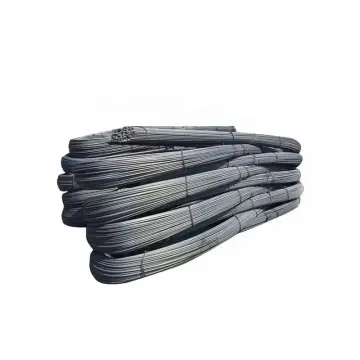
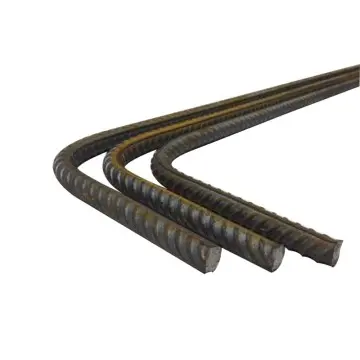
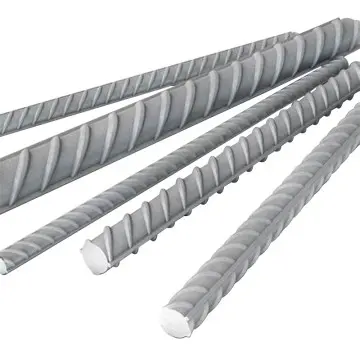
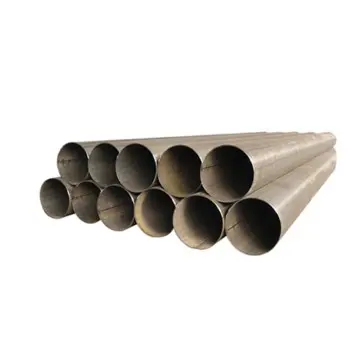
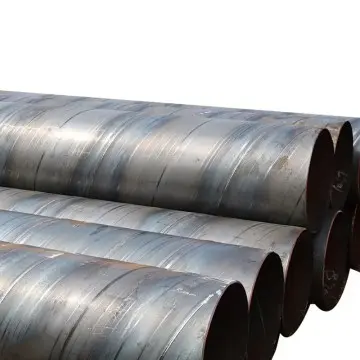
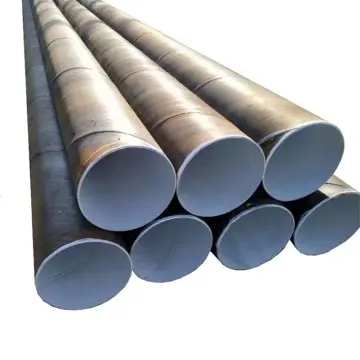
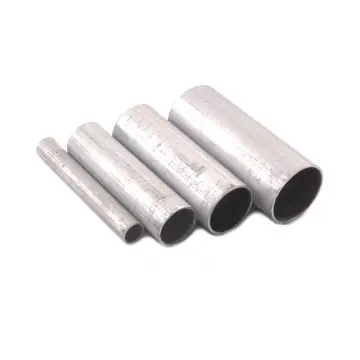
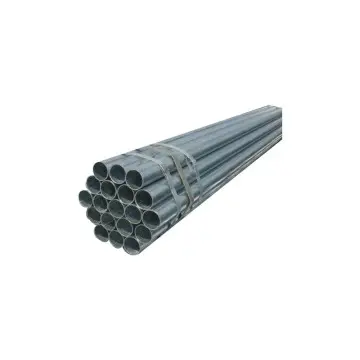


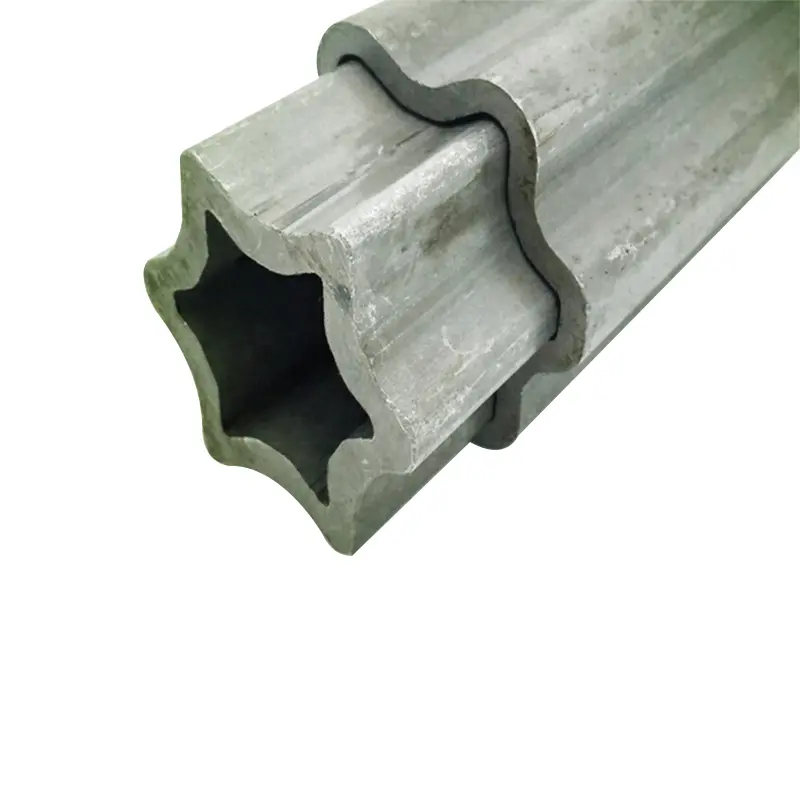
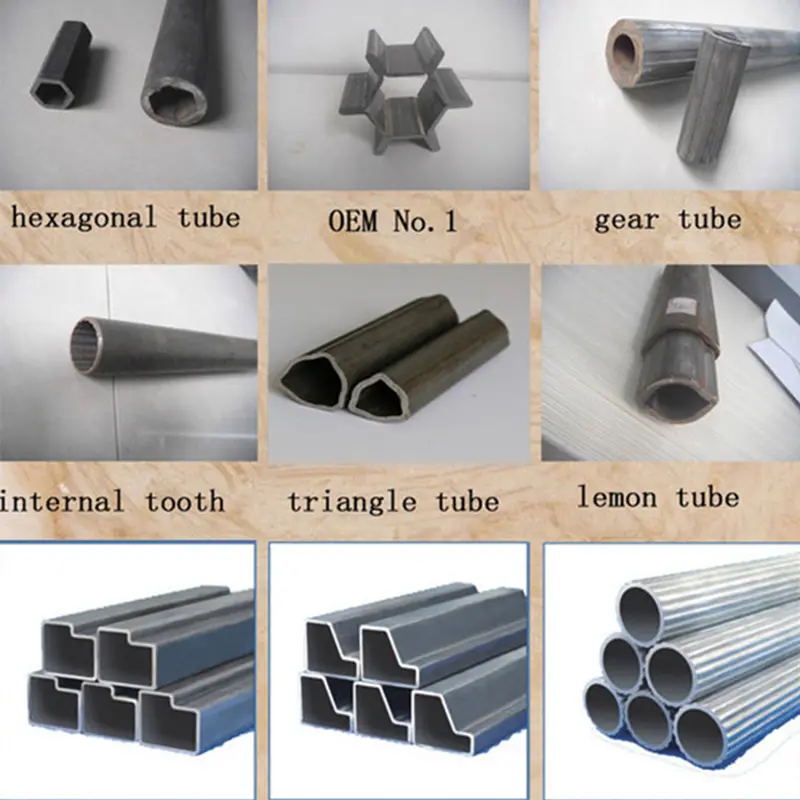
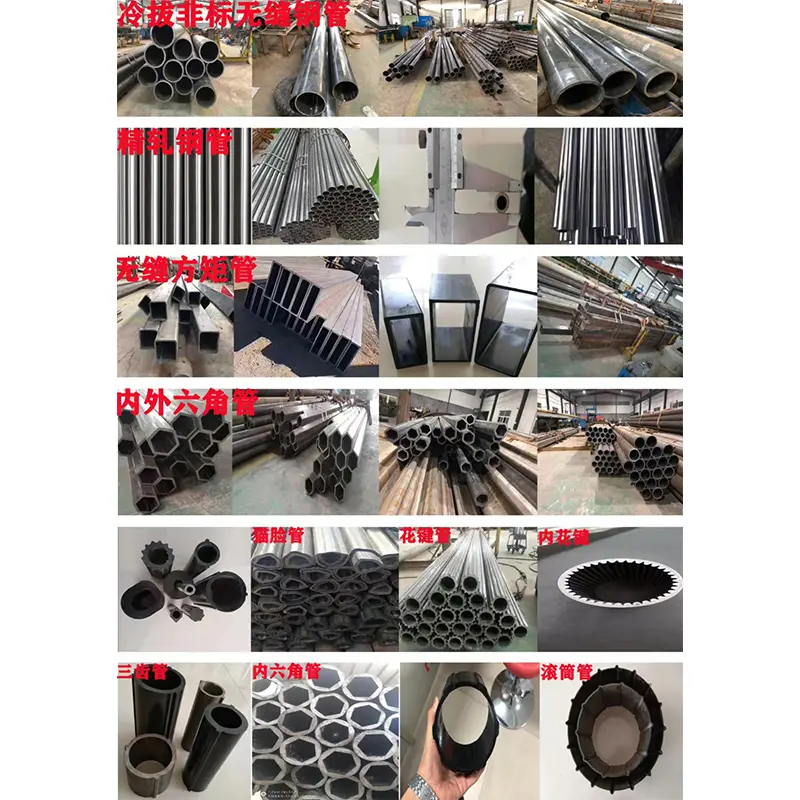
Alloy steel special-shaped pipe
specification
|
Product Name |
Alloy steel special-shaped pipe |
|
Standard |
GB/T 3094-200、GB/T 6728-2002、ASTM A53、EN 10219、EN 10210、JIS G 3466 |
|
Material |
Q345B、Q345C、Q345D、Q345E、16Mn、20Mn、35CrMo、42CrMo、12Cr1MoVG、15CrMoG |
|
Outer diameter range |
The outer diameter can range from a few millimeters to hundreds of millimeters. Common outer diameters are 10mm, 20mm, 50mm, 100mm, 200mm, 300mm, etc. |
|
Thickness range |
Common wall thickness ranges from 1mm to 20mm, depending on the pipe’s outer diameter and design requirements. |
|
Length range |
Common lengths are 6 meters, 12 meters, etc. They can also be cut according to project requirements. |
|
Error |
±1% |
|
Certification |
ISO 9001 ,CE,API |
|
Surface treatment |
Hot dip galvanizing, electroplating, spraying, phosphating, polishing, pickling, oxidation treatment |
|
Country of origin |
China |
|
Main Applications |
1.Construction Project: Used in structural supports, frames, stairs, railings, etc. to provide strength and stability. |
|
2.Machinery manufacturing: Used to manufacture mechanical parts, transmission shafts, brackets, etc., and can withstand large loads and pressures. |
|
|
3.Oil and Gas Industry: Used in pipelines, wellhead equipment, etc., and can withstand high pressure and corrosive environments. |
|
|
4.Automotive Industry: Used in automobile chassis, body structural parts, etc. to provide strength and lightweight design. |
|
|
5.Chemical Industry: Used in reactors, storage tanks, pipelines, etc., suitable for environments with high temperature, high pressure and corrosive media. |
|
|
6.Aerospace: Used in aircraft structures, engine parts, etc., requiring materials to be high-strength and lightweight. |
|
|
7.Power Industry: Used in boilers, heat exchangers, transmission towers, etc., to withstand high temperatures and pressures. |
|
|
Package |
Simple packaging, reinforced packaging, wooden frame, metal frame, pallet, wrapping |
|
Payment Term |
TT, LC,Cash, Paypal, DP, DA,Western Union or Others. |
|
After-sales service |
1. Quality assurance period 2. Return and exchange policy 3. Delivery and acceptance assistance 4. Customer feedback collection |
Product Display
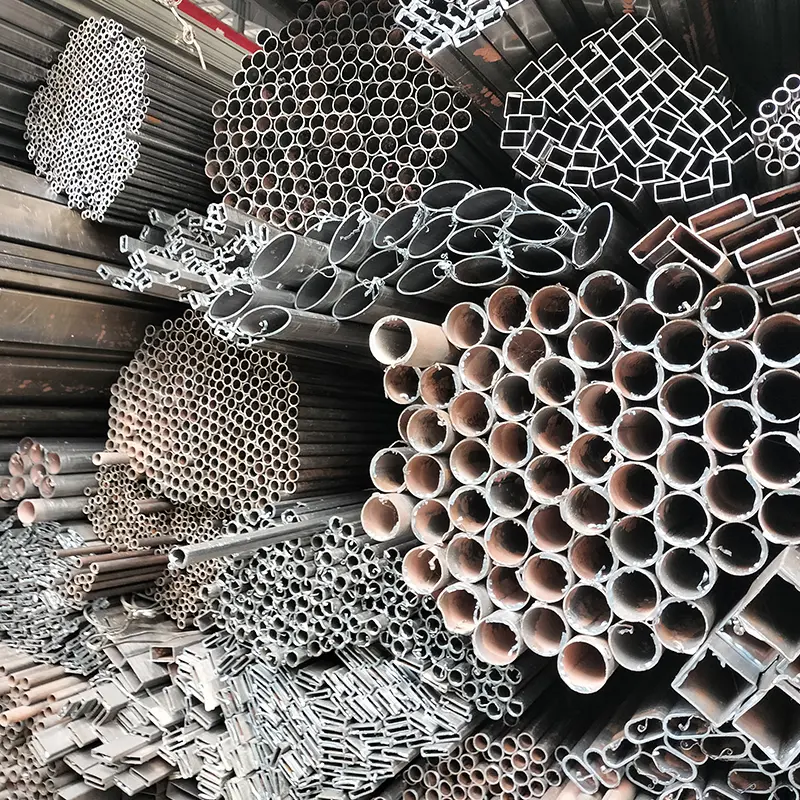
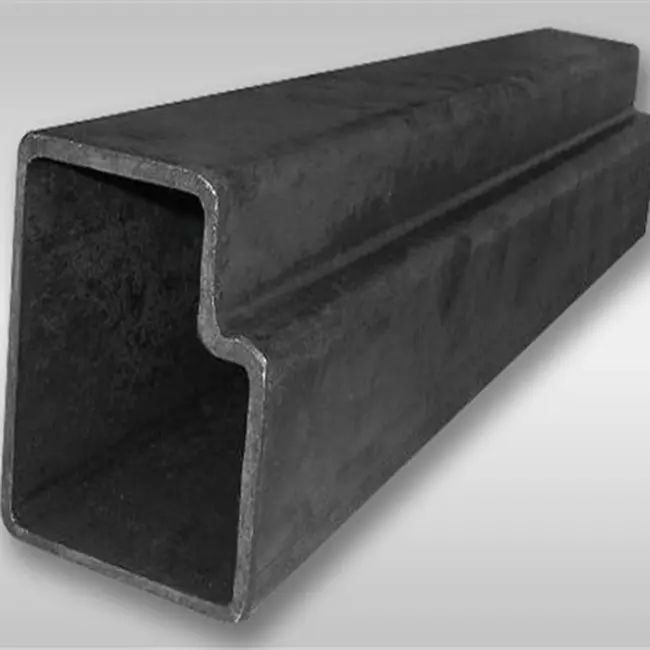
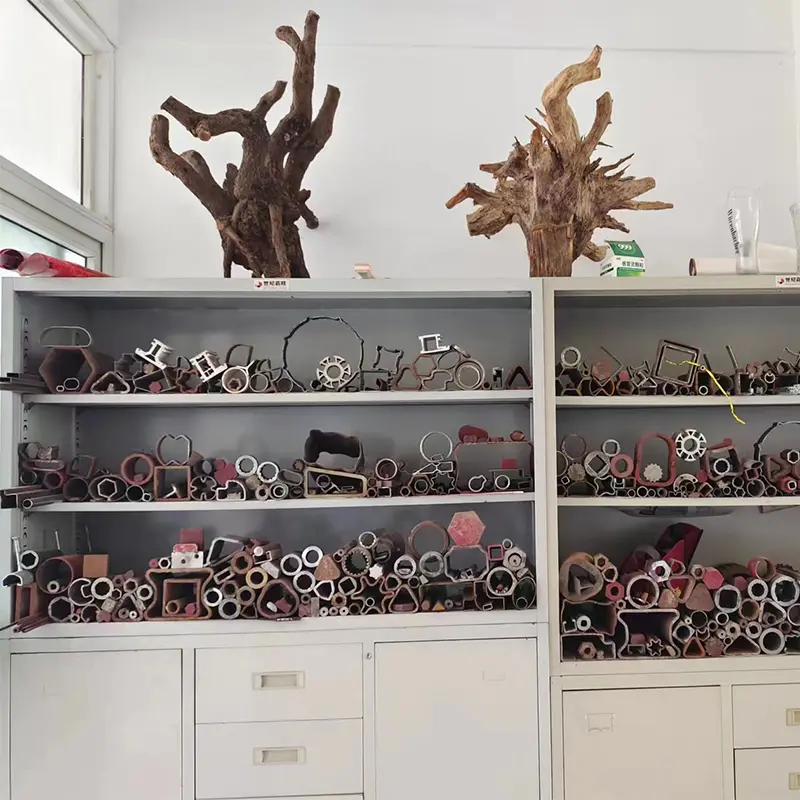
Why use carbon steel special-shaped pipes
.Excellent mechanical properties:
Alloy steel profiled tubes have high strength and good toughness, can withstand large loads and pressures, and are suitable for various structural and mechanical applications.
.Corrosion resistance:
Through surface treatment (such as hot-dip galvanizing, electroplating, spraying, etc.), alloy steel special-shaped pipes can improve corrosion resistance, adapt to harsh environmental conditions and extend service life.
.Various shapes and specifications:
Alloy steel special-shaped tubes can be produced into different shapes (such as square, rectangular, oval, etc.) according to demand to meet specific design and engineering requirements.
.Good weldability:
Alloy steel special-shaped pipes generally have good welding performance, are easy to assemble and connect on site, and are suitable for various construction conditions.
.Lightweight design:
Compared with traditional steel pipes, alloy steel special-shaped pipes can achieve lightweight design and reduce the weight of the overall structure while ensuring strength.
.Economical:
The production process of alloy steel special-shaped pipes is mature, the material cost is relatively low, it is suitable for large-scale production, and has a good cost-effectiveness.
.Wide range of applications:
Alloy steel special-shaped pipes are widely used in many industries such as construction, machinery, petroleum, chemical industry, automobile, etc. and have strong adaptability.
Production process
.Raw material preparation:
Select appropriate alloy steel material, usually in the form of billet or strip, and ensure that its chemical composition and physical properties meet standard requirements.
.Hot rolled or cold rolled:
The raw materials are processed into the required tube shape through hot rolling or cold rolling process. Hot rolling is usually used for large diameter tubes, while cold rolling is suitable for small diameter and precision tubes.
.Molding:
Process the steel pipe into a special-shaped pipe through a mold. The forming process can use cold bending, hot bending or other forming methods to obtain the desired cross-sectional shape (such as square, rectangular, oval, etc.).
.Welding (if applicable):
For special-shaped pipes that need to be welded, arc welding, laser welding or other welding processes are used to weld the edges of the pipes together to form a complete pipe body.
.Heat treatment:
Heat treatment (such as annealing, normalizing, etc.) is performed on the pipe as needed to improve its mechanical properties and organizational structure.
.Surface treatment:
Surface treatment of pipes, such as pickling, phosphating, spraying, galvanizing, etc., to improve their corrosion resistance and aesthetics.
.Inspection and testing:
Inspect the dimensions, appearance, mechanical properties, etc. of the produced special-shaped tubes to ensure that they meet relevant standards and customer requirements.
.Packaging and delivery:
Qualified special-shaped tubes are packaged, clearly marked and sent to customers or designated locations.