

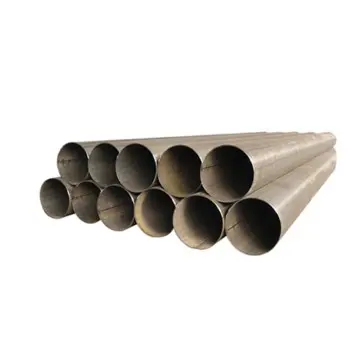
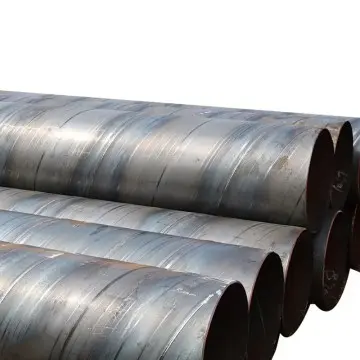
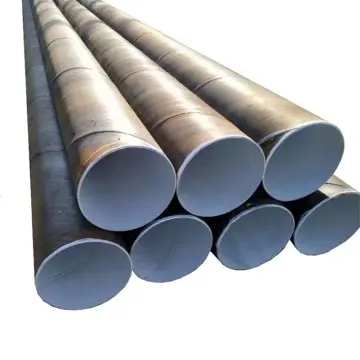
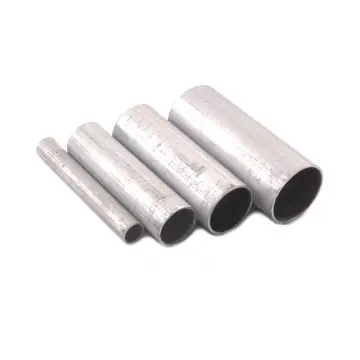
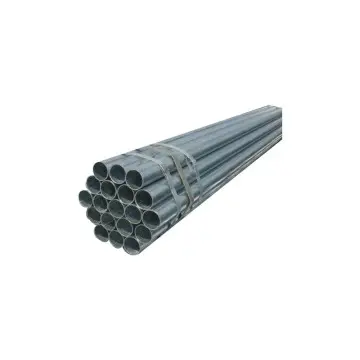


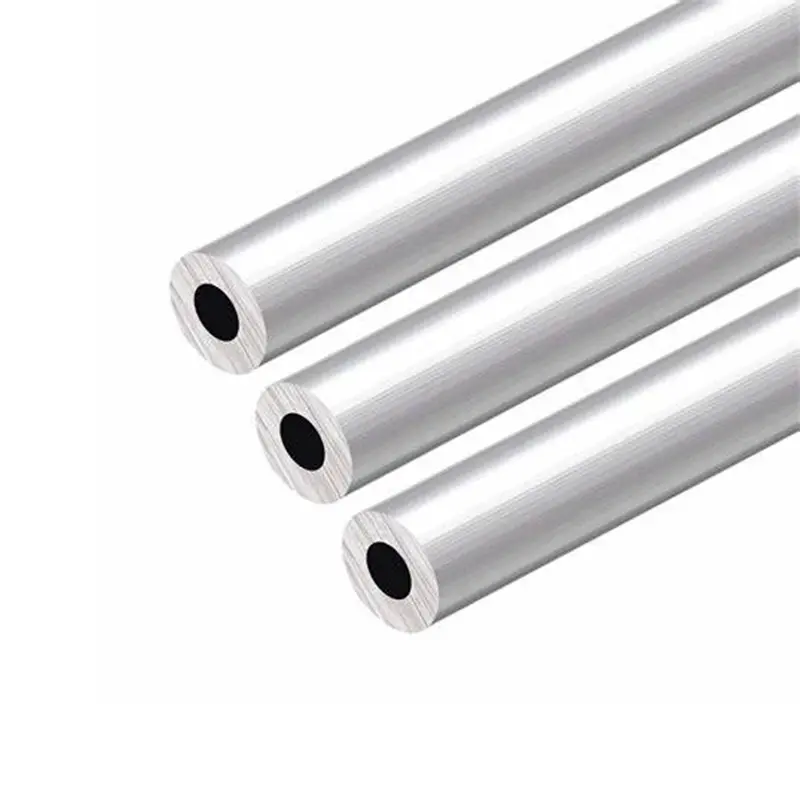
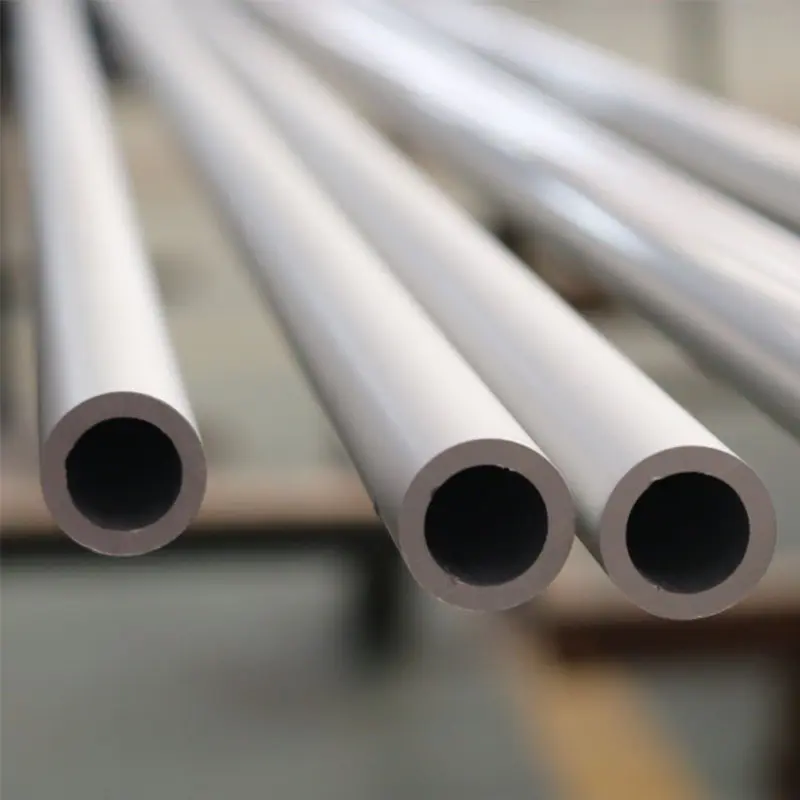
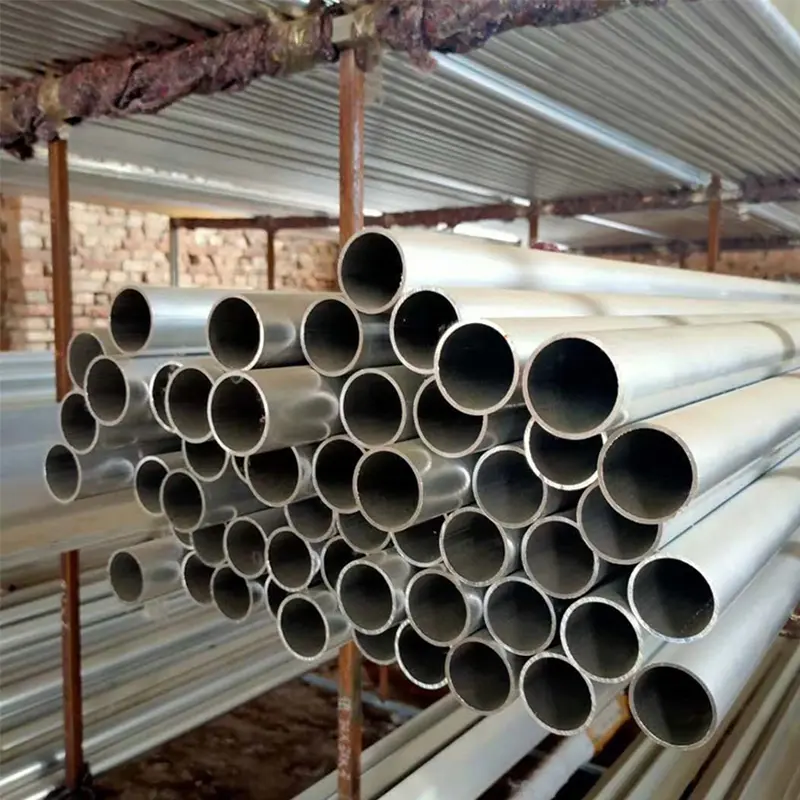
Aluminum alloy tubes: fusion, durability
specification
|
Product Name |
aluminum alloy tube |
|
Standard |
ASTM,JIS,DIN,GB,AISI,DIN,EN |
|
Material |
1050、1060、1100、2024、2011、3003、3004、4045、4032、5052、5083、5754、6061、6063、6082、7075、7050 |
|
Outer diameter range |
Small diameter aluminum alloy tube: The outer diameter is generally between 6mm and 50mm, and is often used for light structures and small equipment.
Medium diameter aluminum alloy tube: The outer diameter is generally between 50mm and 100mm, suitable for general industrial applications and building structures.
Large diameter aluminum alloy pipe: The outer diameter is generally 100mm to 500mm or larger, and is often used in heavy structures, pipelines and transportation systems. |
|
Thickness range |
The outer diameter is between 6mm and 50mm, and the wall thickness is usually between 0.5mm and 3mm. Medium diameter aluminum alloy tube: The outer diameter is between 50mm and 100mm, and the wall thickness is generally between 1mm and 5mm. Large diameter aluminum alloy tube: Outer diameters range from 100mm to 500mm or more, with wall thicknesses typically ranging from 2mm to 10mm or more. |
|
Length range |
Customized length according to customer's special requirements. |
|
Error |
±1% |
|
Certification |
ISO 9001 ,CE,API |
|
Surface treatment |
Anodizing、Spraying、Electrophoretic coating、Chemical plating、Polishing、Sandblasting、Phosphating、Heat treatment |
|
Country of origin |
China |
|
Main Applications |
1.Construction Industry: Used in building structures, door and window frames, curtain walls, etc. due to its light weight, high strength and corrosion resistance. |
|
2.Transportation: Widely used in structural parts and pipelines of vehicles such as automobiles, airplanes, and ships to reduce weight and improve fuel efficiency. |
|
|
3.Machinery manufacturing: Used to manufacture parts of mechanical equipment, such as transmission shafts, brackets, etc., due to its good processing performance and strength. |
|
|
4.Chemical Industry: Used in chemical equipment and pipelines. Due to its excellent corrosion resistance, it is suitable for conveying various chemical media. |
|
|
5.Power Industry: Used in cable sheaths and conductive tubes due to their good conductivity and corrosion resistance. |
|
|
6.Aerospace: Used in aircraft and spacecraft structural parts due to their high strength and lightweight properties. |
|
|
7.Furniture Manufacturing: Used in frames and trims of modern furniture for its beauty and durability. |
|
|
8.Sports Equipment: Used in the manufacture of bicycles, skis, fitness equipment, etc. due to its lightness and high strength. |
|
|
Package |
Simple packaging, reinforced packaging, wooden frame, metal frame, pallet, wrapping |
|
Payment Term |
TT, LC,Cash, Paypal, DP, DA,Western Union or Others. |
|
After-sales service |
1. Quality assurance period 2. Return and exchange policy 3. Delivery and acceptance assistance 4. Customer feedback collection |
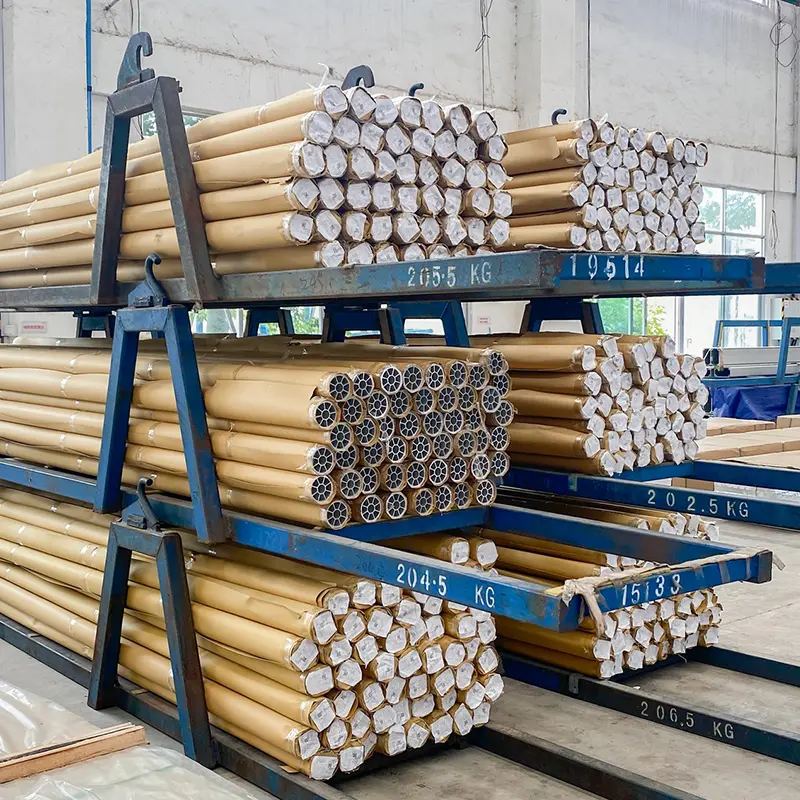
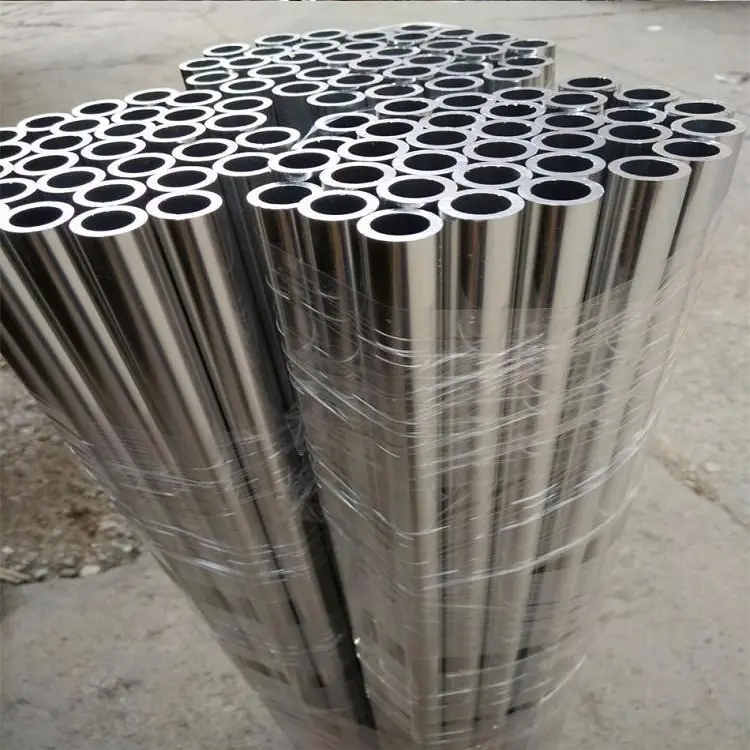
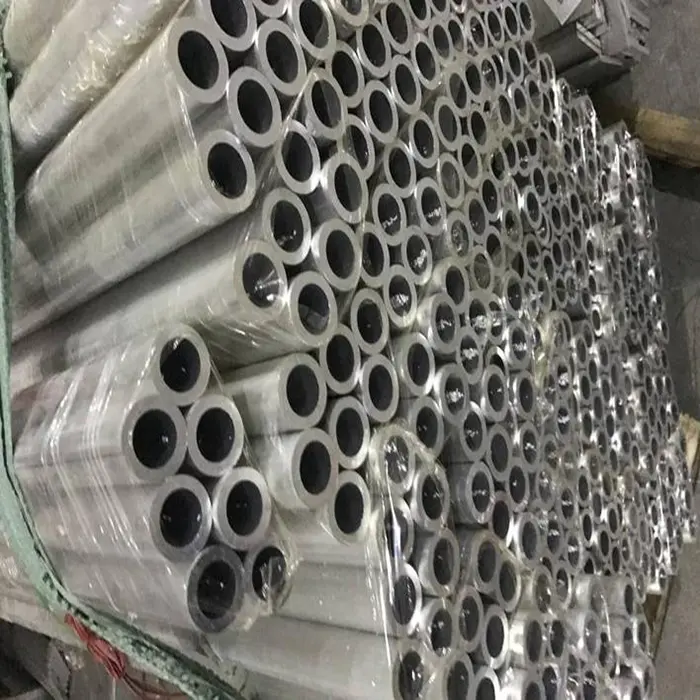
Product Display
Production process
.Raw material preparation:
Select the appropriate aluminum alloy ingot or aluminum alloy material and ensure it meets the relevant standards and specifications.
.Smelting:
The aluminum alloy ingot is placed in a furnace and heated until it melts, usually between 700°C and 800°C. The smelting process needs to remove impurities and gases to improve the quality of the aluminum alloy.
.Casting:
The molten aluminum alloy is made into aluminum alloy tube billet through a casting process such as mold casting or continuous casting.
.Extrusion molding:
The aluminum alloy tube billet is heated to an appropriate temperature and then extruded into the desired tube shape through an extruder. During the extrusion process, the aluminum alloy is shaped in the die to form an aluminum alloy tube.
.Cooling:
The extruded aluminum alloy tube is cooled by water or air to quickly cool it down and maintain the required shape and size.
.Cutting:
Cut the cooled aluminum alloy tube into required lengths, usually customized according to customer requirements.
.Heat treatment (optional):
Depending on the type of aluminum alloy and application requirements, heat treatment (such as aging) is performed to increase its strength and hardness.
.Surface treatment:
According to customer needs, we can carry out surface treatment such as anodizing, spraying and polishing to improve corrosion resistance and aesthetics.
.Inspection and testing:
Inspect aluminum alloy tubes in terms of size, appearance, mechanical properties, etc. to ensure they meet relevant standards and customer requirements.
.Packing and Delivery:
Pack the qualified aluminum alloy tubes and prepare to ship them to customers.