

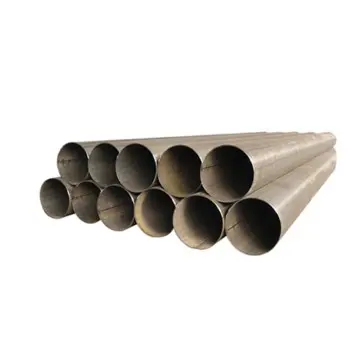
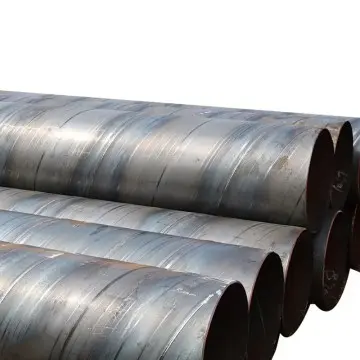
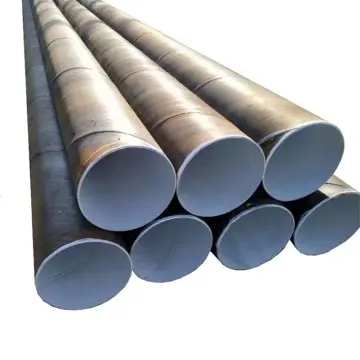
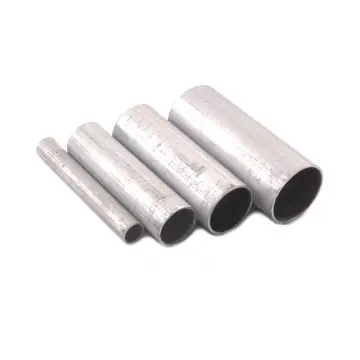
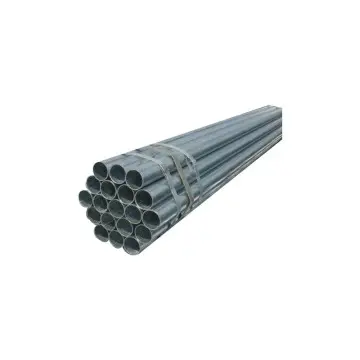


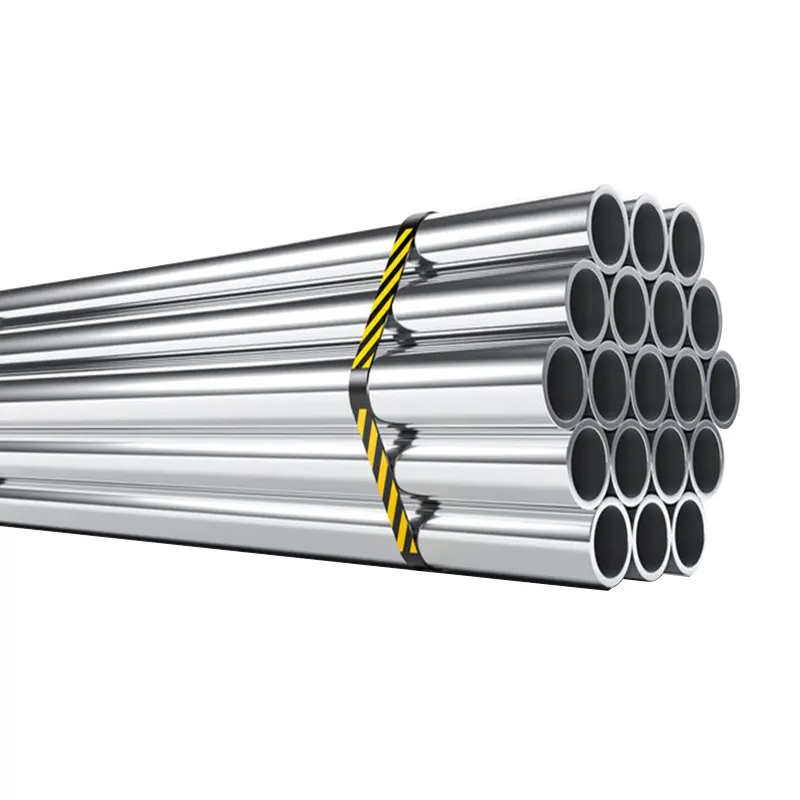
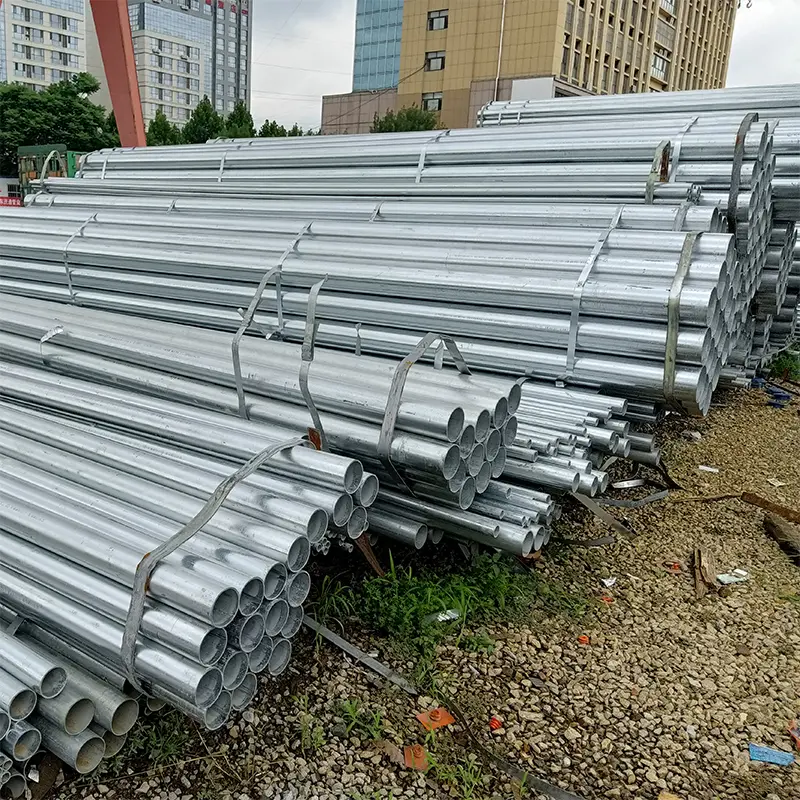
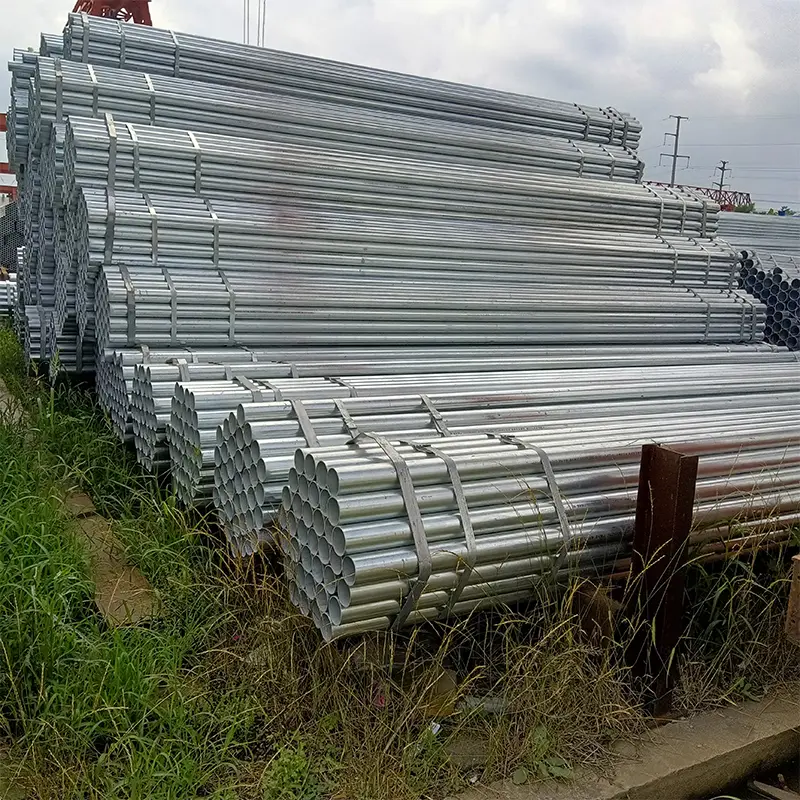
Anti-corrosion and durable hot-dip galvanized pipe
specification
|
Product Name |
Hot dip galvanized pipe |
|
Standard |
ASTM A53, BS1387-85, GB/T3091-08, DIN2440, JIS-G3444, EN10240, EN10255, etc. |
|
Material |
Q195, Q215, Q235, Q345, S235JR, S275JR, STK400, STK500, etc. |
|
Zinc Layer |
50 microns to 200 microns |
|
Outer diameter range |
Small diameter tube: The outer diameter is generally between 15mm and 100mm. Medium diameter pipe: The outer diameter is generally between 100mm and 300mm. Large diameter pipe: The outer diameter is generally above 300mm, and can even reach 1000mm or larger. |
|
Thickness range |
Small diameter tube: The wall thickness is generally between 1.0mm and 5.0mm. Medium diameter pipe: The wall thickness is generally between 2.0mm and 10.0mm. Large diameter pipe: The wall thickness is generally between 3.0mm and 20.0mm, or even thicker. |
|
Length range |
The longest length is 6 meters, and can be customized by customers |
|
Error |
±1% |
|
Certification |
ISO 9001 ,CE,API |
|
Country of origin |
China |
|
Main Applications |
1.Construction Engineering: Used in building structures, support frames, fences, stairs, etc., providing good corrosion resistance and strength. |
|
2.Water pipes and drainage systems: Used in water supply pipes, drainage pipes and rainwater collection systems, which can effectively prevent corrosion and extend service life. |
|
|
3.Agriculture: Used in irrigation systems, greenhouse structures and farm equipment to withstand harsh environmental conditions. |
|
|
4.Power and Communication: Support frames, conduits, etc. used for power transmission and communication lines to ensure safety and stability. |
|
|
5.Transportation: Used in transportation facilities such as guardrails, traffic sign poles, etc., to provide necessary strength and durability. |
|
|
6.Industrial Equipment: Structural parts used in various industrial equipment and machinery, capable of withstanding heavy loads and corrosion. |
|
|
Package |
Simple packaging, reinforced packaging, wooden frame, metal frame, pallet, wrapping |
|
Payment Term |
TT, LC,Cash, Paypal, DP, DA,Western Union or Others. |
|
After-sales service |
1. Quality assurance period 2. Return and exchange policy 3. Delivery and acceptance assistance 4. Customer feedback collection |
Product Display
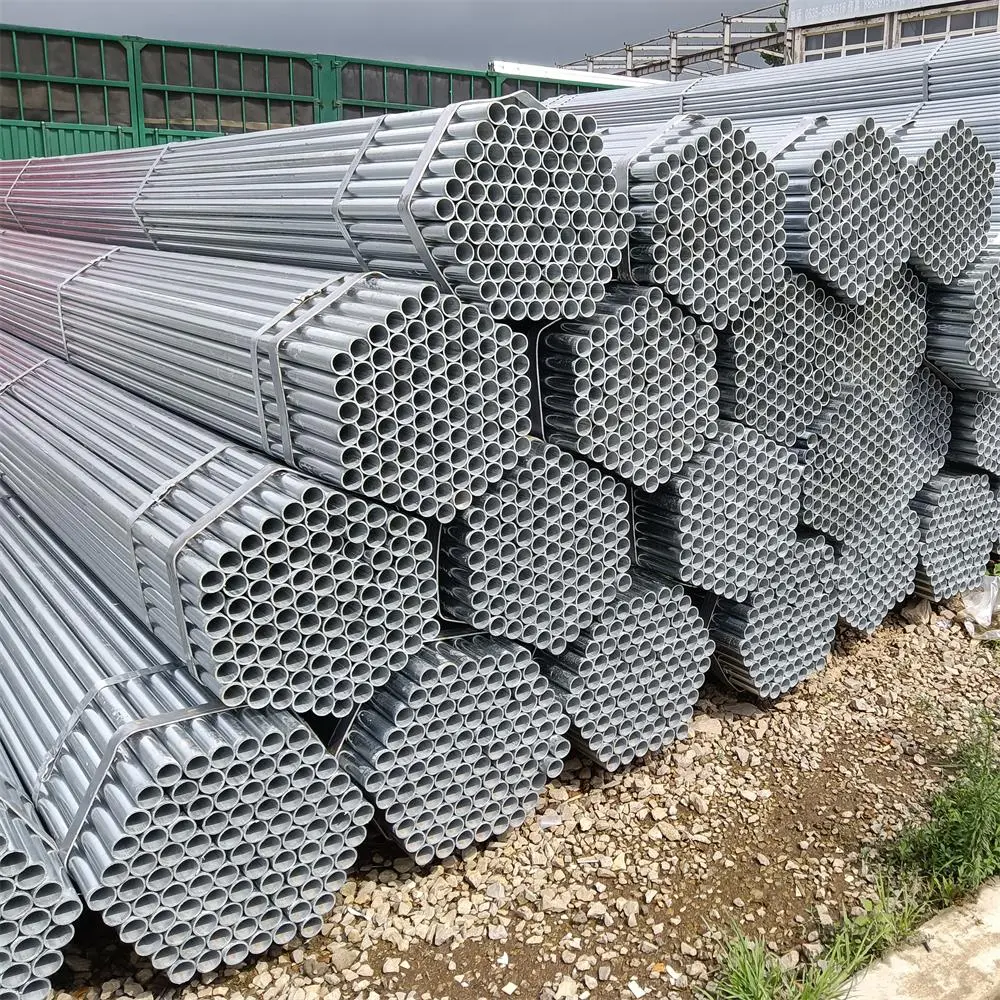
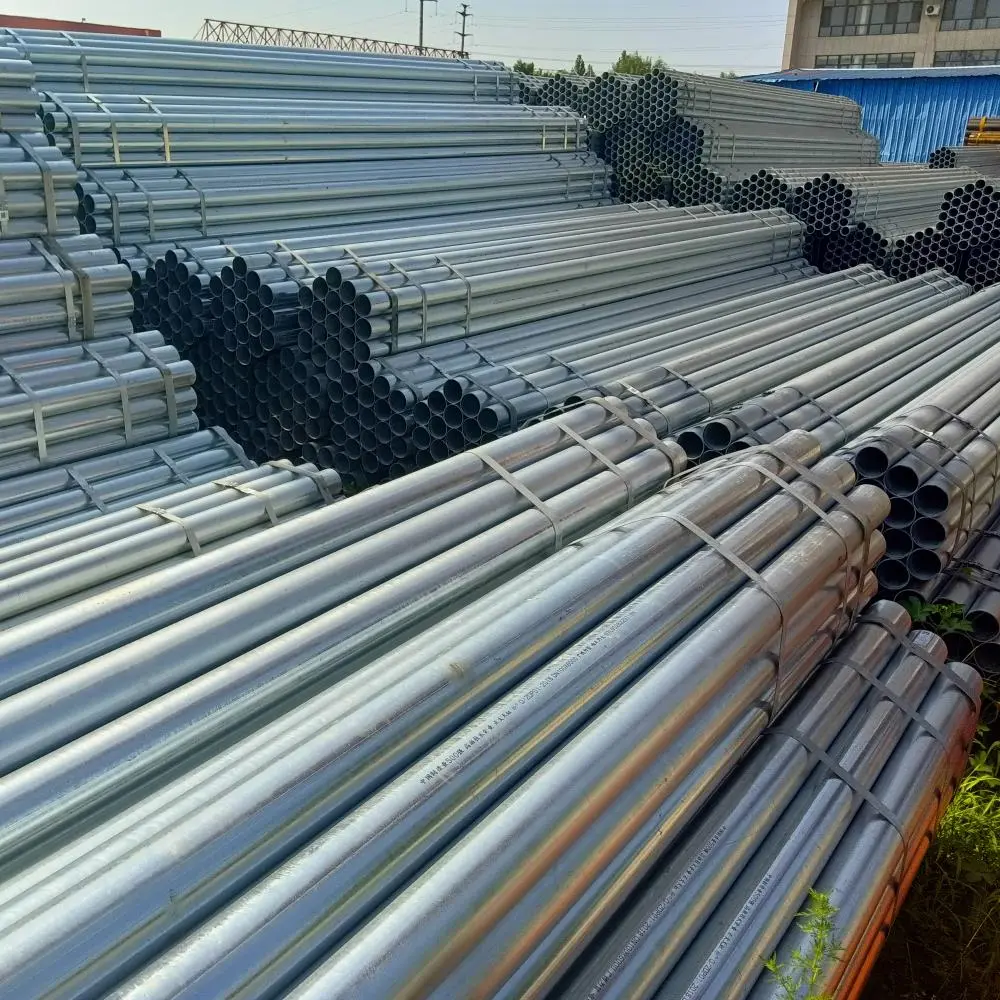
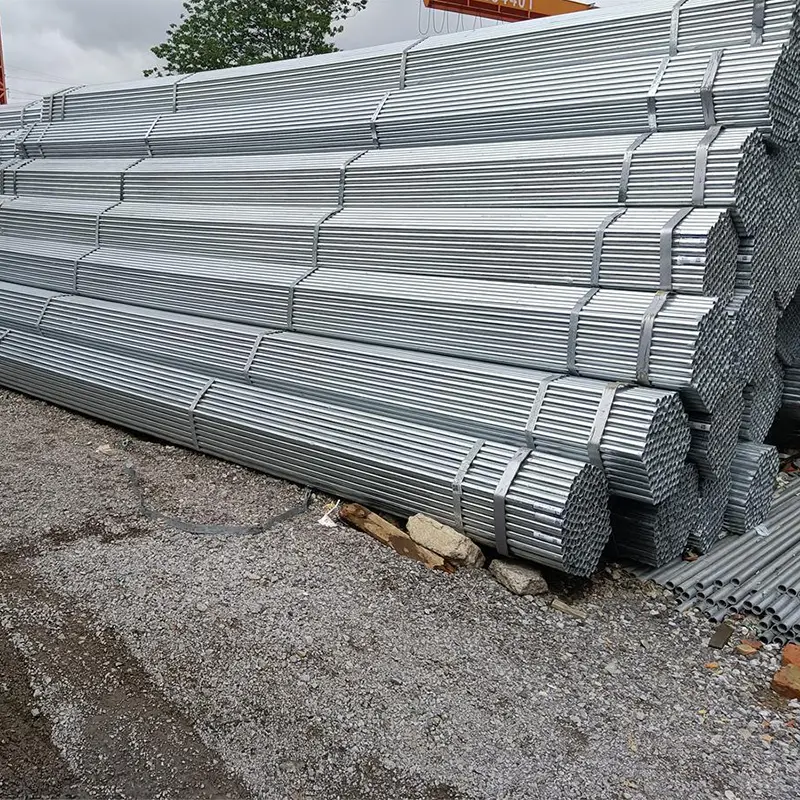
Classification of hot-dip galvanized pipes
.Classification by purpose:
Construction pipes: used for building structures, support frames, fences, etc.
Water supply pipe: used for water supply and drainage systems.
Agricultural pipes: used for irrigation and greenhouse structures.
Power pipe: used to support power transmission and communication lines.
.Classification by pipe shape:
Round tube: The most common form, widely used in various fields.
Square tube: used for specific structural and decorative needs.
Rectangular tubes: suitable for specific industrial and architectural applications.
.Classification by wall thickness:
Thin Wall Tube: Thin wall thickness, suitable for light load applications.
Thick wall pipe: The wall thickness is larger, suitable for occasions with greater pressure and load.
.Classification by pipe specifications:
Small diameter tube: The outer diameter is generally between 15mm and 100mm.
Medium diameter pipe: The outer diameter is generally between 100mm and 300mm.
Large diameter pipe: The outer diameter is generally above 300mm.
.Classification by production process:
Welded pipe: produced by welding process, suitable for various applications.
Seamless pipe: produced by extrusion or rolling process, with higher strength and pressure resistance.
Advantages
Excellent anti-corrosion performance: The surface of hot-dip galvanized pipe is covered with a layer of zinc, which can effectively prevent oxidation and corrosion, and extend the service life of the pipe, especially in humid or corrosive environments.
.Durability: The zinc layer of the hot-dip galvanized pipe forms an alloy layer with the surface of the steel pipe, which has strong adhesion, can withstand mechanical shock and wear, and is suitable for long-term use.
.Economical: Although the initial investment may be higher, due to its corrosion resistance and durability, hot-dip galvanized pipes have low maintenance costs during use and better overall economical performance.
.Environmental protection: Zinc is a non-toxic material. Hot-dip galvanized pipes will not cause pollution to the environment during use and meet modern environmental protection requirements.
.Good weldability: Hot-dip galvanized pipes can be easily welded and connected, suitable for various installation needs.
.Strong adaptability: Hot-dip galvanized pipes can be used in a variety of applications, including water pipes, drainage pipes, structural supports, etc., with wide adaptability.
.Aesthetics: The hot-dip galvanized pipe has a smooth surface and a neat appearance, and is suitable for use in situations where appearance is important.
Production process
.Raw material preparation:
Choose high-quality steel as raw material, usually low-carbon steel or alloy steel.
.Tube forming:
Processing steel into tubes by hot or cold rolling. Common methods include welding and seamless forming.
In welded pipes, the strip is rolled and then welded to form the pipe.
.Pipe cutting and shaping:
Cut the formed pipe into required lengths and perform necessary shaping to ensure the straightness and dimensional accuracy of the pipe.
.Surface treatment:
Clean the pipes to remove oil, rust and other impurities on the surface. Common methods include pickling, sand blasting, etc.
After cleaning, the pipe surface needs to be kept dry to facilitate the subsequent galvanizing process.
.Hot dip galvanizing:
The cleaned pipe is immersed in molten zinc, usually at a temperature of 450°C to 480°C.
During this process, the zinc reacts with the pipe surface to form an alloy layer and a zinc layer, providing good corrosion protection.
.Cooling and curing:
After the pipe is taken out of the zinc solution, it is cooled to solidify the zinc layer. Cooling can be done by natural cooling or water cooling.
.Inspection and testing:
Carry out quality inspection on galvanized pipes, including inspection of zinc layer thickness, appearance, dimensions, etc., to ensure compliance with relevant standards and specifications.
.Packaging and Shipping:
Qualified hot dip galvanized pipes are packed and ready to be shipped to customers.