

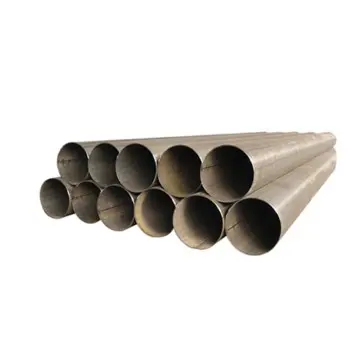
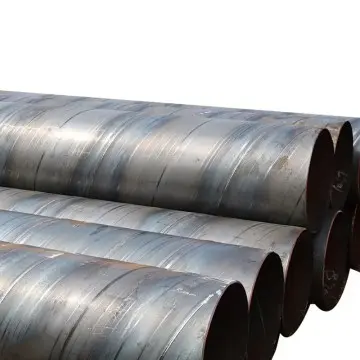
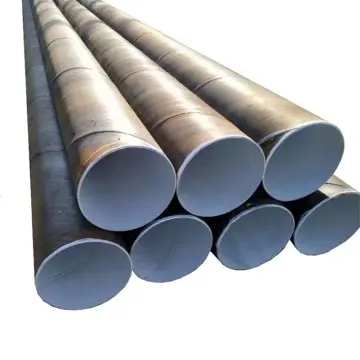
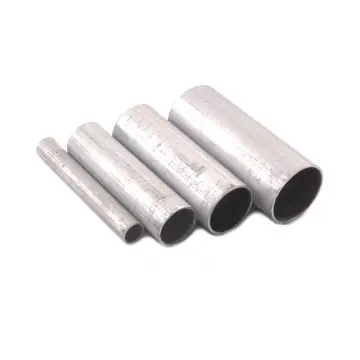
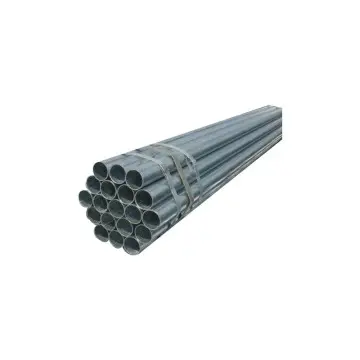


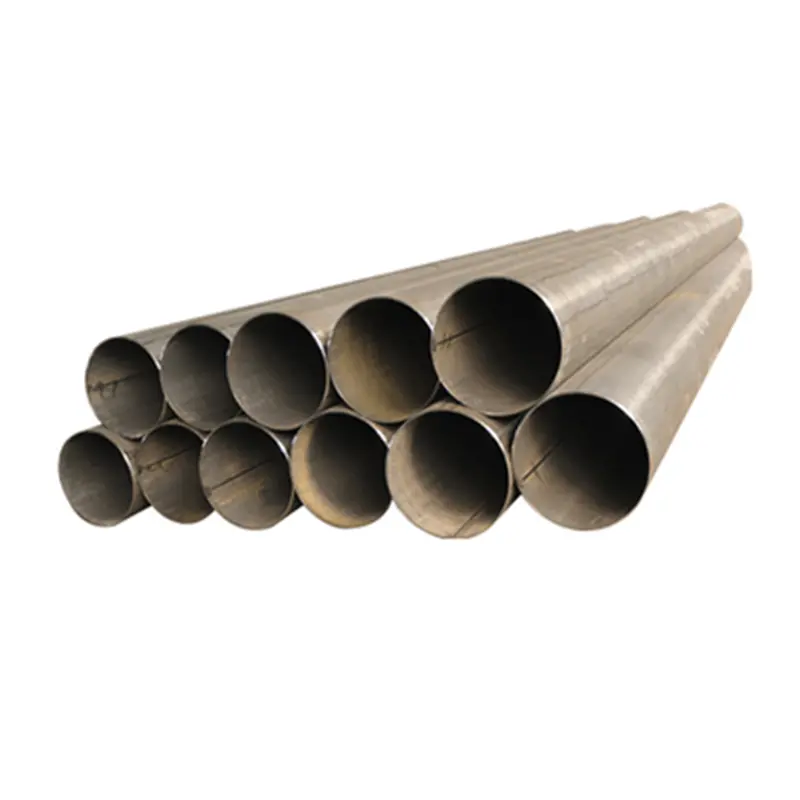
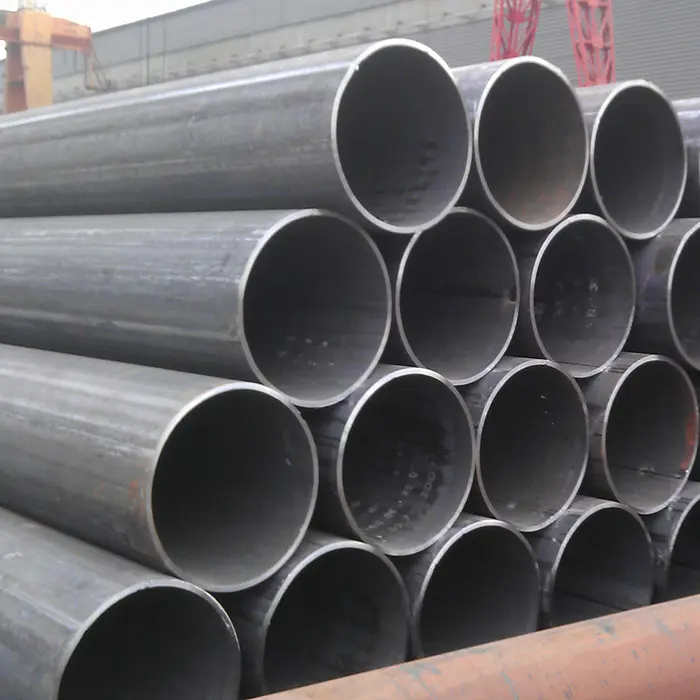
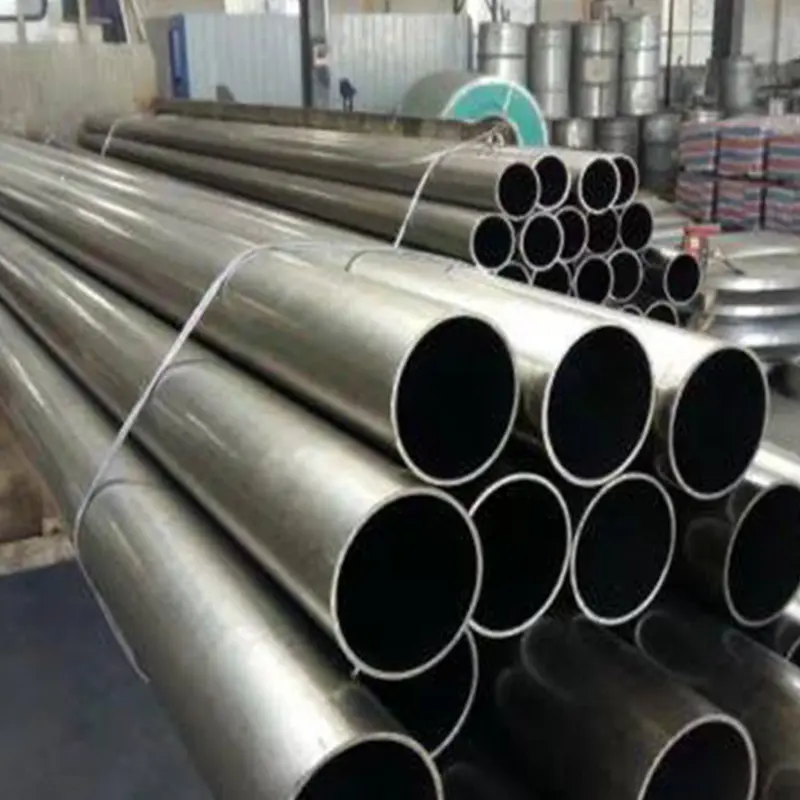
ASTM A53 electric - welded pipe for general use
specification
|
Product Name |
Electric welded pipe |
|
Standard |
ASTM,JIS,DIN,GB,AISI,DIN,EN |
|
Material |
Q195、Q215、Q235、Q345、20#、16Mn、35CrMo、304、316、321 |
|
Outer diameter range |
Small diameter electric welded pipe: The outer diameter is generally between 10mm and 50mm, and is commonly used in small structures and pipelines. Medium diameter electric welded pipe: The outer diameter is generally between 50mm and 150mm, and is widely used in construction, machinery and piping systems. Large diameter electric welded pipe: The outer diameter is generally between 150mm and 1000mm, suitable for large structures, oil, natural gas and other industries. Extra-large diameter electric welded pipe: The outer diameter exceeds 1000mm, usually used for specific industrial applications, such as water conservancy projects, oil pipelines, etc. |
|
Thickness range |
Small diameter electric welded pipe (outer diameter between 10mm and 50mm): the wall thickness is generally between 1.0mm and 3.0mm. Medium diameter electric welded pipe (outer diameter between 50mm and 150mm): the wall thickness is generally between 2.0mm and 6.0mm. Large diameter electric welded pipe (outer diameter between 150mm and 1000mm): The wall thickness is generally between 4.0mm and 12.0mm, or even thicker, depending on the pressure level and usage requirements. Extra-large diameter electric welded pipe (outer diameter exceeds 1000mm): The wall thickness can reach more than 10mm, and the specific thickness depends on the design requirements and use environment. |
|
Length range |
The longest length is 6 meters, and can be customized by customers |
|
Error |
±1% |
|
Certification |
ISO 9001 ,CE,API |
|
Surface treatment |
Hot dip galvanizing, cold dip galvanizing, spraying, painting, phosphating, polishing, oxidation treatment |
|
Country of origin |
China |
|
Main Applications |
1.Construction Engineering: Electric welded pipes are widely used in building structures, support frames, fences, stairs, etc. due to their high strength and easy processing. |
|
2.Mechanical Manufacturing: In mechanical equipment, electric welded pipes are often used to manufacture frames, brackets and other structural parts. |
|
|
3.Oil and Gas Industry: Electric welded pipes are used to transport oil, natural gas and other fluids, especially under high pressure and high temperature environments. |
|
|
4.Chemical industry: used in chemical equipment and piping systems, carrying various chemical media. |
|
|
5.Water Conservancy Project: Electric welded pipes are used in water pipes, drainage pipes and irrigation systems, suitable for conveying water and other liquids. |
|
|
6.Automobile Industry: In automobile manufacturing, electric welded pipes are used for body structures, exhaust systems and other components. |
|
|
7.Power industry: used for brackets and pipes of power equipment, carrying cables and other facilities. |
|
|
8.Furniture manufacturing: Electric welded pipes can be used to make various metal furniture, such as tables, chairs, shelves, etc. |
|
|
Package |
Simple packaging, reinforced packaging, wooden frame, metal frame, pallet, wrapping |
|
Payment Term |
TT, LC,Cash, Paypal, DP, DA,Western Union or Others. |
|
After-sales service |
1. Quality assurance period 2. Return and exchange policy 3. Delivery and acceptance assistance 4. Customer feedback collection |
Product Display
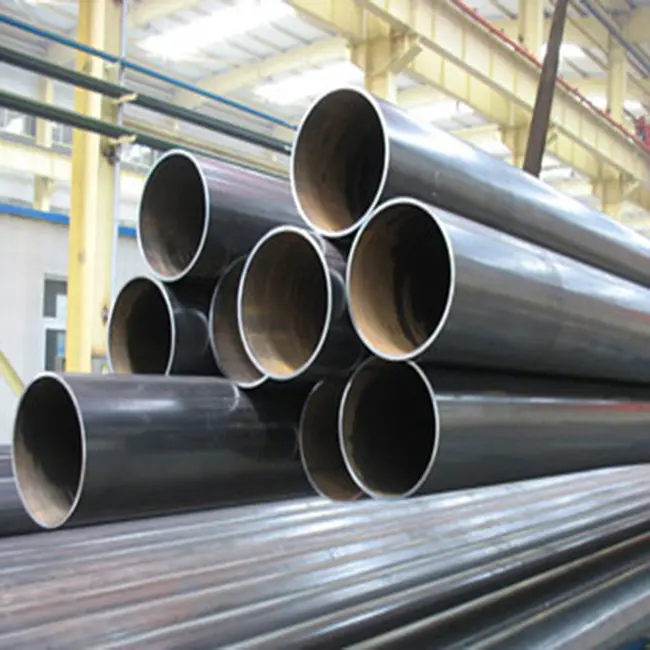
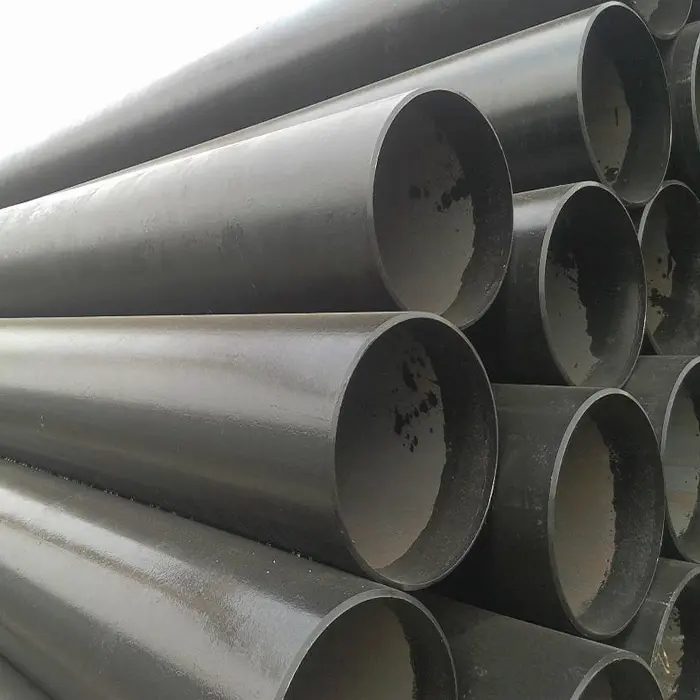
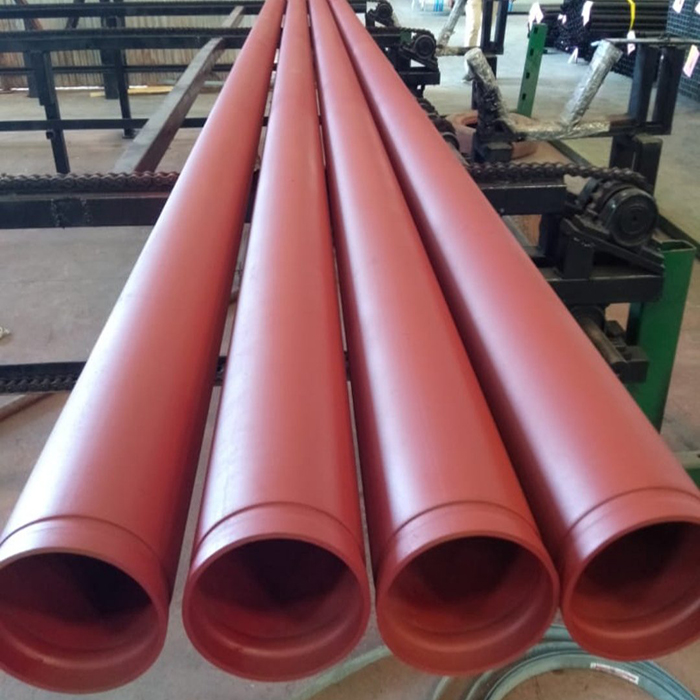
Classification of electric welded pipes
Classification by material:
Carbon Steel Electric Welded Pipe: Mainly used for general structural and piping applications.
Alloy steel electric welded pipe: used in situations with higher load requirements, with better strength and corrosion resistance.
Stainless steel electric welded pipe: Suitable for environments with high requirements for corrosion resistance, such as chemical, food and other industries.
Galvanized Electric Welded Pipe: Improved corrosion resistance through galvanizing, suitable for outdoor and wet environments.
Classification by outer diameter:
Small diameter electric welded pipe: The outer diameter is generally between 10mm and 50mm.
Medium diameter electric welded pipe: The outer diameter is generally between 50mm and 150mm.
Large diameter electric welded pipe: The outer diameter is generally between 150mm and 1000mm.
Extra-large diameter electric welded pipe: outer diameter exceeds 1000mm.
Classification by wall thickness:
Thin-wall electric welded pipe: The wall thickness is generally between 1.0mm and 3.0mm.
Medium-thick wall electric welded pipe: The wall thickness is generally between 3.0mm and 6.0mm.
Thick-wall electric welded pipe: The wall thickness is generally above 6.0mm.
Classification by purpose:
Structural electric welded pipe: used for structural parts such as buildings and machinery.
Electric welded pipe for fluid transportation: used for conveying fluids such as water, oil, and gas.
Special purpose electric welded pipe: such as high voltage electric welded pipe, corrosion resistant electric welded pipe, etc.
Classification by production process:
Straight Seam Electric Welded Pipe: Produced by straight seam welding process, suitable for general use.
Spiral electric welded pipe: Produced by spiral welding process, suitable for large diameter pipes.
Advantages
High strength: Electric welded pipes adopt welding technology, with high weld strength, can withstand greater pressure and load, and are suitable for load-bearing structures and high-pressure pipelines.
Flexible processing: Electric welded pipes can be cut, bent and welded as needed, with strong adaptability to meet the requirements of different projects and designs.
Cost-effectiveness: Compared with seamless pipes, the production cost of electric welded pipes is lower, which is suitable for large-scale production and can effectively reduce project costs.
Diverse specifications: The outer diameter, wall thickness and material of electric welded pipes are varied. You can choose the appropriate specifications according to specific needs to meet the requirements of different application scenarios.
Good corrosion resistance: Through surface treatment (such as galvanizing, stainless steel, etc.), the electric welded pipe can improve corrosion resistance, extend service life, and is suitable for various environments.
Good welding performance: Electric welded pipes have excellent welding performance, are easy to connect with other metal materials, and are suitable for use in complex structures.
Light weight: Compared with other types of pipes, electric welded pipes are usually lighter, easier to transport and install, and reduce construction difficulty.
Environmental protection: The production and use of electric welded pipes are relatively environmentally friendly and meet the requirements of modern sustainable development.
Production process
Raw material preparation:
Choose appropriate steel strip or steel coil as raw material, usually hot-rolled or cold-rolled carbon steel or alloy steel.
Cutting:
Cutting steel strip or coil into required width for subsequent forming and welding.
Molding:
The cut steel strip is rolled into a tube by a forming machine to form a preliminary tube shape. The forming method can be straight seam forming or spiral forming.
Welding:
Use arc welding, laser welding or high frequency welding to weld the edges of the pipe together to form a complete electric welded pipe. The welding temperature and speed need to be controlled during the welding process to ensure the quality of the weld.
Cooling:
After welding, the electric welded pipe needs to be cooled to ensure the strength and stability of the weld.
Remove welding defects:
Check the welds and remove any defects that may occur during welding, such as pores, slag inclusions, etc., to ensure the quality of the welds.
Surface treatment:
Carry out surface treatment on the electric welded pipe as needed, such as pickling, galvanizing, spraying, etc. to improve corrosion resistance and aesthetics.
Cutting and finished product inspection:
Cut the electric welded pipes into required lengths and conduct final quality inspections, including appearance, dimensions, weld quality, etc.
Packaging and Shipping:
Qualified electric welded pipes are packed and ready to be shipped to customers.