2026 Best Low Carbon Steel Applications and Innovations Guide?
In the ever-evolving world of materials, Low Carbon Steel stands out for its versatility and practicality. As we enter 2026, new applications and innovations are expected to reshape industries. Renowned expert Dr. Emily Carter once noted, “Low Carbon Steel is the backbone of modern manufacturing.” This highlights its essential role and potential.
Low Carbon Steel's unique properties make it an ideal choice for various applications. Its malleability allows for easy shaping and fabrication. The manufacturing sector is increasingly adopting innovations that make use of these characteristics. However, challenges remain. Sustainability practices must improve alongside technological advancements.
While Low Carbon Steel has many advantages, we must reflect on its limitations. The demand for lighter materials is growing, sparking debates on its long-term viability. It's crucial for the industry to innovate while addressing these issues. The future of Low Carbon Steel will depend on how we harness its strengths while confronting its weaknesses.

Overview of Low Carbon Steel and Its Properties in 2026
Low carbon steel, known for its versatility, plays a crucial role in various industries. In 2026, it continues to be favored for its excellent ductility and weldability. Reports indicate that low carbon steel comprises nearly 70% of the total steel production globally. It exhibits a carbon content of less than 0.25%, which enhances its malleability without compromising strength.
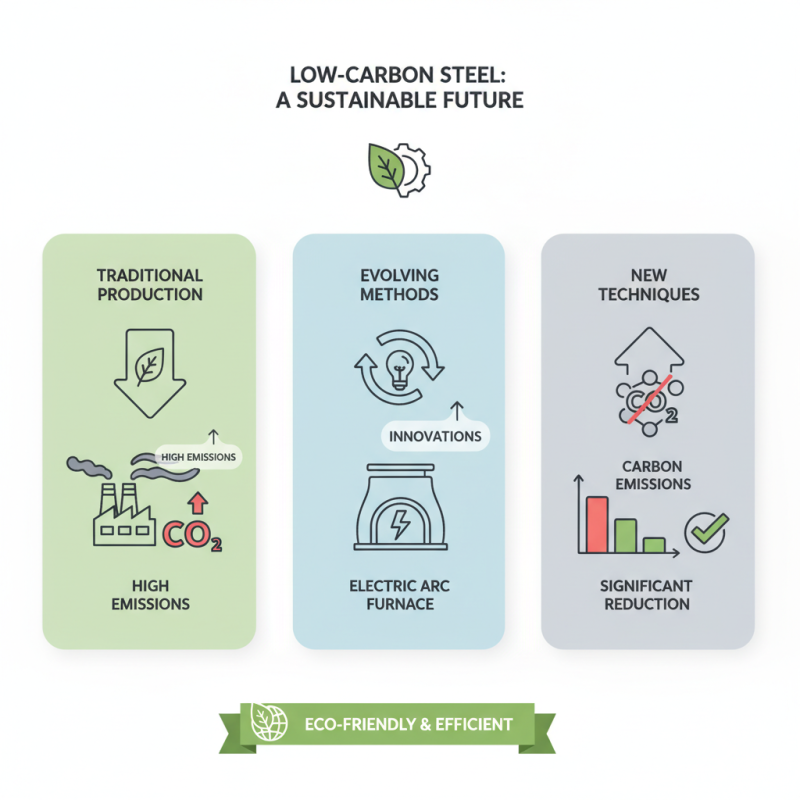
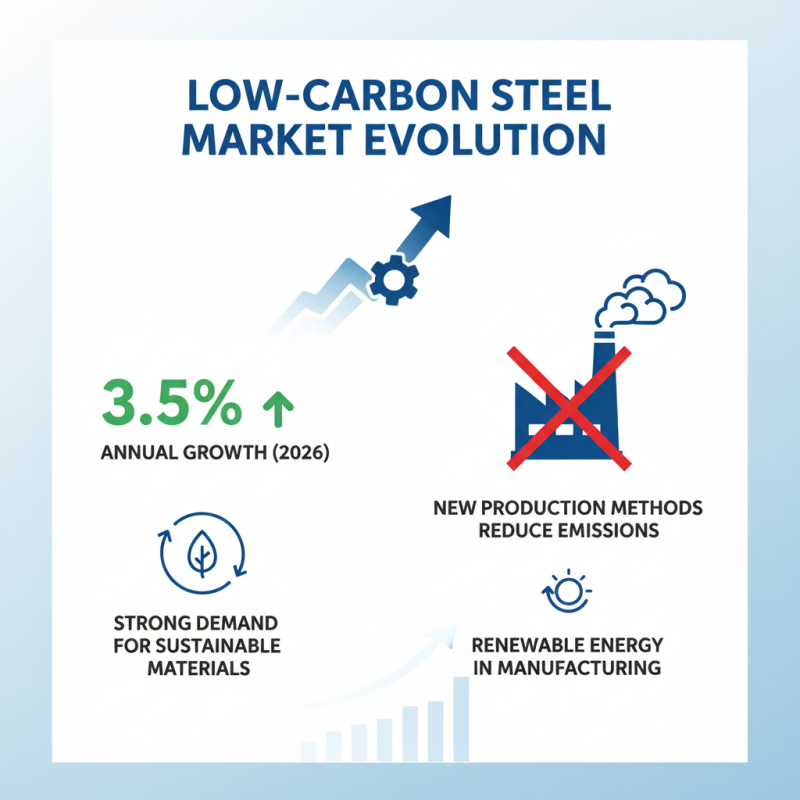
The properties of low carbon steel are ideal for applications in construction, automotive, and manufacturing. Its ability to be easily formed makes it a top choice for structural components and pipes. Recent advancements have also focused on reducing its environmental impact. A notable development is the integration of hydrogen in the production process, which shows promise in lowering carbon emissions by 40% compared to traditional methods.
However, challenges remain. The reliance on low carbon steel for specific applications raises concerns regarding material fatigue and resistance to corrosion. Technical reports highlight that while low carbon steel is cost-effective, its long-term durability may require alternative treatments. As the industry moves toward more sustainable practices, ongoing research is essential to address these limitations and enhance the material's efficacy in meeting evolving demands.
2026 Low Carbon Steel Applications and Innovations
This bar chart illustrates the demand for low carbon steel applications in various industries for the year 2026. The highest demand is observed in the automotive sector, followed by construction and machinery, indicating key areas of growth and innovation in the low carbon steel market.
Key Applications of Low Carbon Steel in Various Industries
Low carbon steel is crucial in a variety of industries. Its versatility allows for innovative applications in construction, automotive, and manufacturing. In construction, this material forms the backbone of many structures.
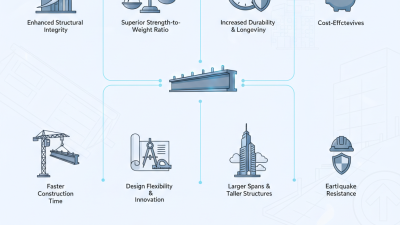
Beams and reinforcements made from low carbon steel provide strength without excessive weight. This balance is essential for safety and efficiency.
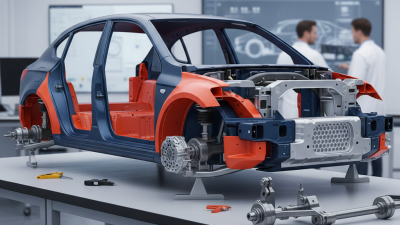
In the automotive industry, low carbon steel plays a vital role. It is used in frames and body panels, ensuring durability and impact resistance. However, the industry faces challenges. The constant demand for lighter and more efficient materials pushes limits.
Manufacturers need to explore new techniques and combinations. This pursuit can lead to unexpected failures.
Additionally, low carbon steel finds uses in everyday products. Household appliances often utilize this material for its durability and cost-effectiveness. However, not all applications are perfect.
Some products may corrode over time, raising concerns about longevity. These reflections spark conversations about sustainability and recycling practices. As industries evolve, rethinking the use of low carbon steel is necessary.
Environmental Impact of Low Carbon Steel: Emissions and Sustainability Metrics
Low carbon steel is gaining attention for its role in sustainability. This material releases fewer greenhouse gases during production compared to higher carbon steels. Its lower carbon content contributes to reduced emissions. Yet, the entire lifecycle of low carbon steel needs consideration.
Assessing the environmental impact of low carbon steel involves looking at emissions data. Manufacturers strive for more sustainable practices. Recycling steel is essential. It uses less energy and further reduces carbon output. However, not all recycling processes are efficient. Some emissions still occur.
Tips: Consider sourcing from local providers to minimize transportation emissions. Encourage recycling in your projects to promote a circular economy.
The transition to low carbon steel isn’t flawless. Production methods vary widely. Some processes may still produce significant waste. Awareness of these issues is crucial for better choices. It’s important to weigh both the benefits and drawbacks of low carbon steel's use in various applications.
2026 Best Low Carbon Steel Applications and Innovations Guide
| Application |
Innovation Type |
Environmental Impact (CO2 Emissions) |
Sustainability Metric |
| Automotive Components |
Lightweighting |
50% reduction in emissions |
Recyclability Rate: 90% |
| Construction Materials |
Green Steel Production |
40% less CO2 emissions |
Embodied Carbon: 300 kg CO2/ton |
| Machinery |
Energy-efficient Design |
30% reduction in operational emissions |
Energy Usage: 15% lower |
| Consumer Products |
Eco-friendly Coatings |
20% less VOC emissions |
Durability: 10 years |
| Infrastructure |
Smart Resource Management |
25% reduction in lifecycle emissions |
Sustainability Certification: LEED |