2026 Top Types of Structural Steel for Global Buyers
Structural Steel remains a foundation of global construction, manufacturing, energy, and transport infrastructure. Its appeal is practical: high strength, predictable fabrication, and broad availability across international markets. Yet buyers face a crowded field of grades, shapes, coatings, and production routes. Choosing the lowest quoted price can create higher costs later.
The World Steel Association’s World Steel in Figures 2025 reports approximately 1.88 billion tonnes of crude steel production in 2024. That scale reflects steel’s continuing importance, but it also reveals a complex supply landscape. Regional mills differ in alloy practice, certification, lead times, and quality control. ASTM A36, S275, S355, weathering steel, galvanized sections, and high-strength low-alloy products can look similar on a quotation. They do not perform identically in service.
Performance matters.
The International Energy Agency identifies iron and steel as a major industrial emissions source, while the World Steel Association estimates the sector contributes roughly 7% to 9% of global energy-related carbon dioxide emissions. These figures increasingly influence procurement decisions, especially for projects requiring environmental product declarations or lower-emission materials. However, green claims need verification. A mill’s certificate, heat number, test report, and chain-of-custody evidence deserve closer review than a marketing label.
This 2026 guide compares the top types of Structural Steel for global buyers. It considers strength, weldability, corrosion resistance, standards, availability, and lifecycle value. No universal “best” grade exists. A coastal bridge, warehouse frame, and offshore platform demand different compromises. That point is easy to overlook. Sound purchasing combines engineering judgment, supplier experience, and independently verifiable data.
What Is Structural Steel and Why Does It Matter in 2026?
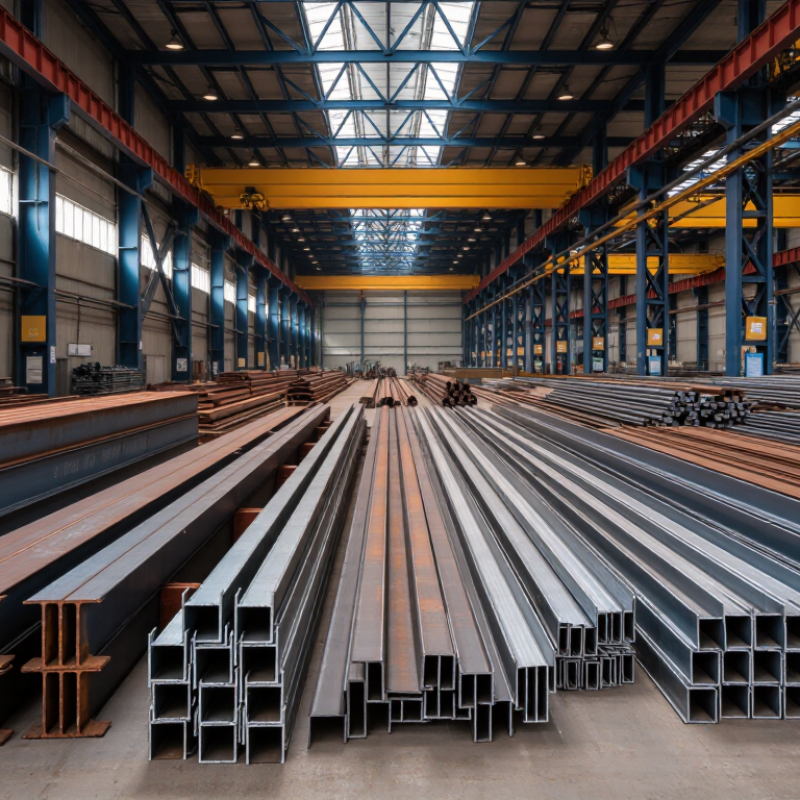
Structural steel is steel shaped to carry loads in buildings, bridges, warehouses, and industrial frames. Common forms include beams, columns, channels, angles, hollow sections, and plates. Carbon steel remains widely purchased because it combines strength, weldability, and manageable cost. High-strength low-alloy steel can reduce member weight, while weathering steel may develop a protective surface in suitable environments. Stainless steel serves aggressive or highly visible locations, but its higher price needs careful justification.
It matters more in 2026 because steel affects both structural safety and project emissions. The World Steel Association reported about 1.89 billion tonnes of crude steel production in 2023. The International Energy Agency estimates that steelmaking creates roughly 7% to 9% of global energy-related emissions. These figures make grade selection, recycled content, and supply-chain evidence commercial issues, not just engineering details. Buyers should check yield strength, impact performance, welding requirements, coating systems, mill certificates, and regional standards before comparing prices. A cheaper section can become expensive after transport, fabrication, fire protection, or inspection delays. Small details matter. I have seen specifications fail when corrosion exposure was treated as an afterthought. Carbon calculations also remain imperfect, because production routes and reporting boundaries differ. Reliable procurement therefore needs verified documents, independent testing, and realistic service conditions rather than attractive numbers alone.
How Structural Steel Grades and Standards Are Classified
2026 Top Types of Structural Steel for Global Buyers
How Structural Steel Grades and Standards Are Classified
Structural steel is classified by strength, chemical composition, toughness, and intended use. Grade names often show minimum yield strength, but naming systems differ by region. For example, EN grades may use “S” followed by a strength value, while ASTM grades follow separate designation rules. These labels are not interchangeable automatically.
Strength is only one part of selection. A bridge beam may require impact testing at low temperatures, while an indoor frame may need different toughness requirements. Carbon content affects weldability, and manganese can improve strength. Thickness also matters because some standards reduce permitted strength in heavier sections. Small details matter here.
This is where mistakes begin.
Global buyers should compare the complete standard, not only the grade number. Check yield strength, tensile strength, elongation, impact temperature, chemical limits, and dimensional tolerances. Request the mill test certificate and match its heat number with the delivered plate or section. The certificate should also identify testing methods and material condition. In practice, paperwork can look complete while one required test is missing. That deserves a careful review. A grade listed as equivalent may still fail a project specification, local engineering rule, or welding procedure. Manufacturers and inspectors should verify the edition year, because technical requirements can change.
2026 Top Types of Structural Steel for Global Buyers
Representative minimum yield strengths for widely used structural steel grades and standards. Actual values can vary by product form, thickness, subgrade, and applicable edition of the standard.
How grades are classified: Structural steels are commonly identified by a standard system, grade designation, and mechanical properties such as yield strength. Higher yield strength can support more efficient designs, while weldability, toughness, thickness, corrosion protection, and regional compliance must also be evaluated.
How to Choose Structural Steel for Different Applications
Choosing structural steel starts with the building’s actual demands, not the lowest quotation. Carbon steel suits many warehouses, frames, platforms, and general construction projects. Its availability, weldability, and predictable strength support efficient fabrication. However, coastal sites, chemical exposure, and frequent condensation require stronger corrosion planning.
High-strength low-alloy steel can reduce member weight in bridges, towers, and long-span structures. It may also increase welding controls and inspection requirements. Weathering steel can develop a protective surface in suitable outdoor environments. It performs poorly where salt, trapped moisture, or constant wetness prevents proper drying. Stainless structural steel offers excellent corrosion resistance, but its higher cost needs clear justification.
Check yield strength, section shape, thickness, toughness, and weldability against local design codes. Ask whether the steel will face earthquakes, impact, fire, vibration, or repeated loading. A small sample test can reveal surface defects before production expands. Confirm mill certificates, heat numbers, traceability, and independent inspection records. Good paperwork matters.
Cost comparisons often miss fabrication, coating, transport, and maintenance. That is a common mistake. A lighter section is not automatically the better choice. It may demand tighter fabrication tolerances or specialized welding. Review the complete service life with a qualified structural engineer, and challenge assumptions before approving the purchase. No selection method is perfect. Availability can also change during long projects, so alternative compliant grades should be reviewed early.