In recent years, the construction industry has witnessed a significant shift towards the utilization of innovative materials that enhance structural integrity while being cost-effective. Among these materials, High Strength Steel has emerged as a game-changer in modern construction projects. This advanced steel type is distinguished by its remarkable strength-to-weight ratio, which allows for the design of lighter and more resilient structures. As projects become increasingly ambitious in scale and complexity, the advantages of High Strength Steel cannot be overlooked.
Incorporating High Strength Steel into construction practices not only improves the durability and longevity of buildings but also contributes to more sustainable practices by optimizing resource usage. The enhanced performance characteristics of this steel present opportunities for engineers and architects to push the boundaries of architectural design, facilitating innovative solutions that meet the demands of contemporary urban environments. This introductory exploration highlights the top ten benefits of High Strength Steel, underscoring its pivotal role in shaping the future of construction. As we delve deeper into these advantages, it becomes clear that High Strength Steel is not just a material choice but a strategic asset that sets the standard for excellence in modern construction.
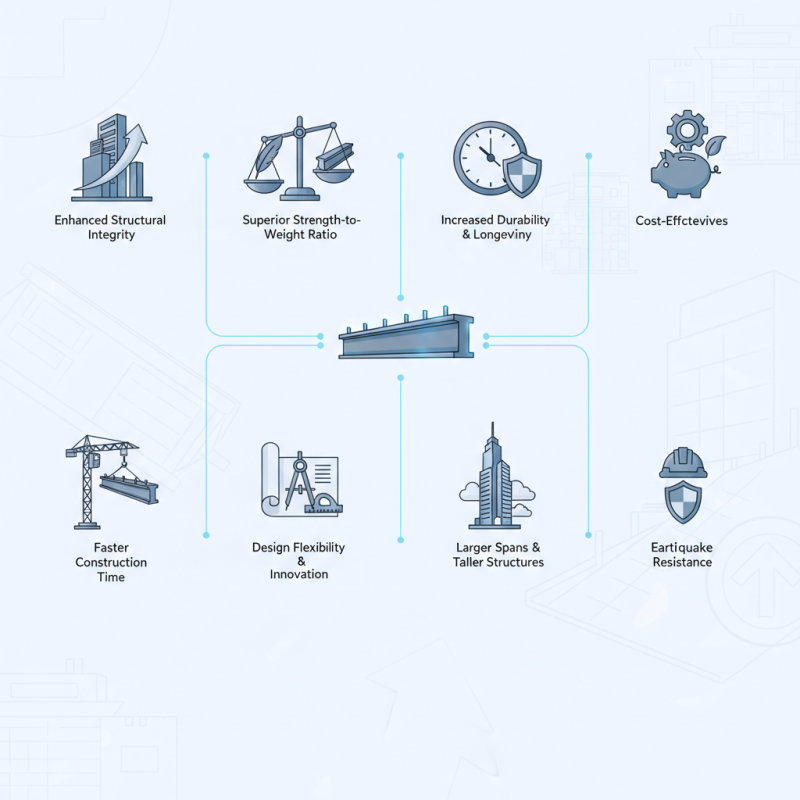
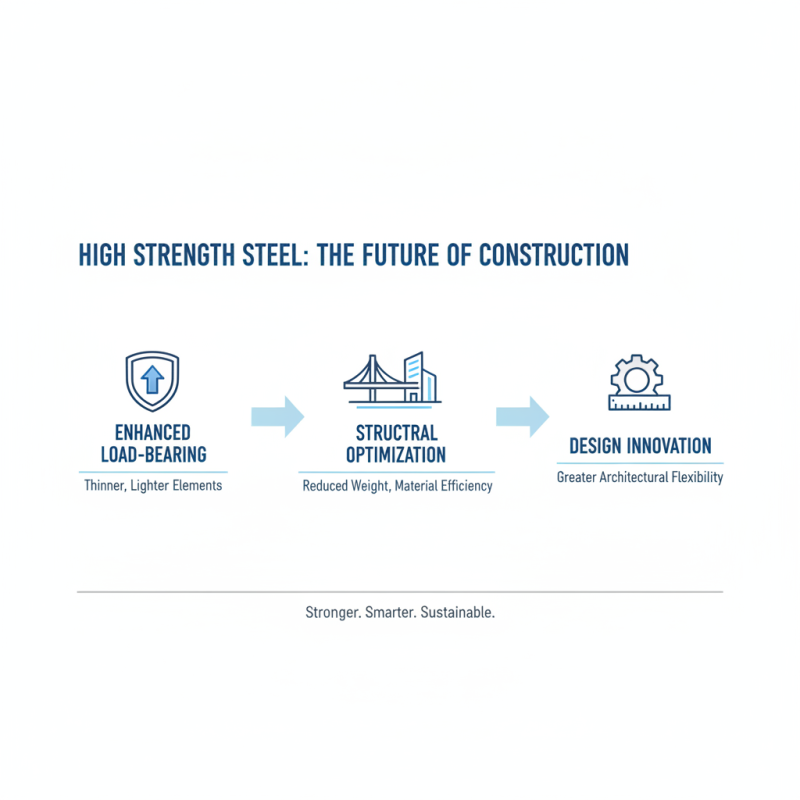
High strength steel plays a crucial role in enhancing the load-bearing capacity of modern structures, making it an invaluable material in construction projects. Its exceptional tensile strength allows for the design of thinner and lighter structural elements, which significantly reduces the overall weight of buildings and bridges. This feature not only helps in optimizing material usage but also facilitates greater flexibility in architectural design, enabling engineers to create innovative structures that were previously deemed unfeasible.
Moreover, high strength steel provides improved performance under various loading conditions. Its ability to withstand extreme loads, such as those experienced during seismic events or heavy wind conditions, ensures enhanced safety and durability of structures. Construction projects that utilize high strength steel can achieve longer spans and higher load capacities without compromising structural integrity. As a result, engineers can implement more ambitious designs while maintaining cost-effectiveness and sustainability in material consumption. The ongoing evolution and development of high strength steel technologies continue to reshape the landscape of modern construction, delivering solutions that meet the demands of both functionality and aesthetics.
High strength steel has become a pivotal material in modern construction projects due to its remarkable ability to enhance durability and longevity. Unlike traditional materials, high strength steel possesses superior tensile strength, allowing structures to withstand greater loads and resist deformation under extreme conditions. This characteristic is especially beneficial in areas prone to natural disasters, where buildings need to endure high winds, heavy rains, or seismic activity without compromising safety.
Moreover, the use of high strength steel can significantly reduce the overall amount of material required for a project. This not only streamlines construction processes but also minimizes waste, as lighter structural elements necessitate less supporting infrastructure. As a result, structures built with high strength steel can maintain their integrity over longer periods, reducing maintenance needs and extending their operational lifespan. This combination of reduced material usage and increased operational longevity positions high strength steel as a sustainable choice for future construction endeavors, aligning with modern demands for environmentally responsible building practices.
This chart illustrates the top benefits of using high strength steel in modern construction projects. Enhanced durability and longevity are among the significant advantages.
The cost-effectiveness of high strength steel (HSS) in modern construction projects is becoming increasingly apparent as the industry seeks to balance quality and budget without compromising safety. According to a report by the American Institute of Steel Construction (AISC), using HSS can reduce material costs by up to 25% as it allows for lighter structures that require less steel, thereby reducing overall expenses associated with procurement and handling. Furthermore, the efficient use of HSS can lead to significant savings in labor costs due to faster assembly times and reduced foundational requirements, allowing projects to be completed more swiftly.
In addition to direct material savings, high strength steel also brings long-term value to construction projects. Research published by the Steel Construction Institute shows that structures made with HSS experience lower maintenance costs and longer lifespans, as the material is more resistant to environmental factors such as corrosion and structural fatigue. This results in an overall decrease in lifecycle costs, making high strength steel a smart financial choice for both contractors and clients looking to invest in sustainable and resilient infrastructure. As the construction sector increasingly embraces innovation, the integration of HSS is poised to provide substantial economic benefits, while also meeting the growing demand for efficiency and durability in building materials.
| Benefit | Description | Cost Effectiveness |
|---|---|---|
| Increased Strength | High strength steel allows for lighter structures while maintaining structural integrity. | Reduced material costs due to thinner profiles. |
| Durability | Resistant to environmental factors, reducing maintenance costs. | Lower long-term expenditure on repairs. |
| Versatility | Can be used in various applications from bridges to skyscrapers. | Cost-effective across multiple projects. |
| Sustainability | More efficient use of materials contributes to greener projects. | Potential for tax incentives and rebates. |
| Faster Construction | Prefabrication and less material handling expedite project timelines. | Reduced labor costs and overheads. |
| Enhanced Aesthetic Appeal | Allows for innovative designs with minimal support structures. | Attracts higher value clients and projects. |
| Improved Safety | Greater rigidity and strength enhances building safety standards. | Reduction in accident-related costs. |
| Cost-Effective Transportation | Lighter materials lead to lower shipping and logistics costs. | Significant savings in the overall supply chain. |
| Long-term Investment | High strength steel structures have longevity and stability. | Lowered total cost of ownership over time. |
| High Recyclability | Can be recycled without loss of quality, enhancing sustainability. | Reduction in future material costs. |
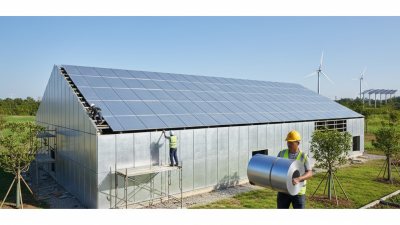
The use of high strength steel in modern construction not only enhances structural integrity but also supports sustainable practices. High strength steel allows for thinner and lighter designs without compromising strength, resulting in reduced material usage. This reduction conserves natural resources and minimizes waste, making it an eco-friendly alternative to conventional materials. Additionally, high strength steel can lead to a decrease in the overall carbon footprint of a construction project due to lower energy demands during the manufacturing process and reduced transportation costs.
When considering sustainable construction practices, it's essential to focus on smart design and efficient material usage. Here are some tips:
1. Opt for modular construction techniques that leverage high strength steel to create prefabricated sections, which can be assembled on-site quickly. This not only speeds up the construction process but also minimizes the disturbance of the surrounding environment.
2. Implement a lifecycle assessment to understand the long-term benefits and environmental impacts of using high strength steel. By analyzing the material from production to disposal, you can make informed decisions about material selection that align with sustainability goals.
By integrating high strength steel into construction projects, stakeholders can prioritize environmental stewardship while achieving modern, resilient structures that meet the demands of today’s urban landscapes.
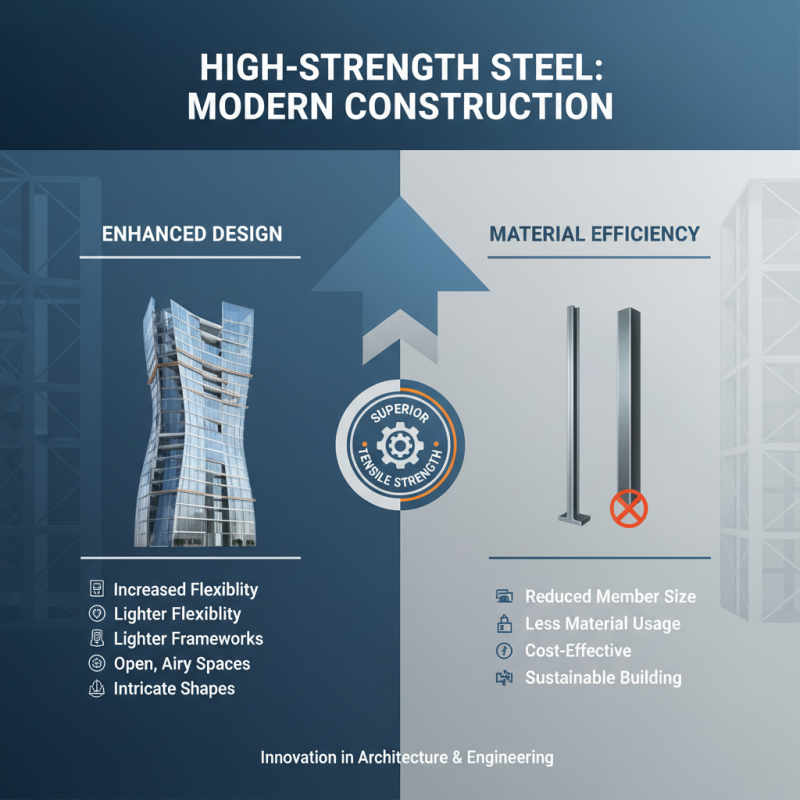
High strength steel has become an essential material in modern construction, particularly for its ability to enhance design flexibility and aesthetic options. Its superior tensile strength allows architects and engineers to explore innovative designs that were previously deemed unfeasible. According to a report by the American Institute of Steel Construction (AISC), the use of high strength steel can result in reduced member sizes and lighter structural frameworks, which not only minimizes the material usage but also enables more open and airy designs in buildings. This capability encourages creative architectural expressions, allowing for intricate shapes and large spans that enhance visual appeal.
Moreover, high strength steel’s versatility in fabrication lends itself to a variety of finishing techniques, enabling unique surface treatments that can accommodate diverse design visions. Statistical analysis from the Steel Construction Institute indicates that when utilizing high strength steel, construction projects experience up to a 30% reduction in construction time due to streamlined fabrication processes. This efficiency not only benefits project timelines but also provides architects with the flexibility to adapt aesthetic elements as designs evolve, ensuring that the final structure aligns with the intended vision without compromising safety or integrity. Such attributes make high strength steel a pivotal material in contemporary architectural practice, driving both functionality and style in modern construction projects.