Top 10 Benefits of Using Hot Rolled Steel Bar in Construction and Manufacturing
In the ever-evolving fields of construction and manufacturing, materials play a pivotal role in determining the efficiency and durability of projects. Among the myriad of options available, "Hot Rolled Steel Bar" stands out due to its numerous advantages that cater to various structural needs. As noted by industry expert Dr. Emily Thompson, a renowned material scientist, "The resilience and versatility of Hot Rolled Steel Bar make it an indispensable choice for modern construction and manufacturing applications." This sentiment echoes across the industry, reflecting a growing recognition of the remarkable properties inherent in hot rolled steel.
Hot Rolled Steel Bar not only provides strength but also offers excellent machinability and weldability, which are crucial for effective construction practices. Its inherent characteristics allow for the creation of complex shapes and structures while minimizing waste and enhancing productivity. As professionals continue to embrace innovative materials, understanding the top benefits of using Hot Rolled Steel Bar is essential for making informed decisions that impact the success of any project. With its combination of durability, cost-effectiveness, and performance, hot rolled steel continues to forge the future of construction and manufacturing.
Benefits of High Strength and Durability in Hot Rolled Steel Bars
Hot rolled steel bars have become a staple in construction and manufacturing due to their high strength and durability, which are critical attributes in demanding applications. The process of hot rolling involves forming steel at high temperatures, resulting in a grain structure that enhances toughness and ductility. According to a report by the World Steel Association, the tensile strength of hot rolled steel bars can reach up to 600 megapascals, making them ideal for structural components that must withstand significant loads.
In addition to impressive strength, hot rolled steel bars exhibit exceptional durability. The absence of cold working and the presence of a uniform microstructure contribute to their resistance against deformation and wear under stress. Industry data indicates that structures utilizing hot rolled steel can last over 50 years, even in harsh environments, which speaks volumes about their longevity and minimal maintenance requirements. Furthermore, their cost-effectiveness is underscored by reduced replacements and repairs, aligning with the industry’s focus on sustainable and economical building practices.
Top 10 Benefits of Using Hot Rolled Steel Bar in Construction and Manufacturing
Cost-Effectiveness of Hot Rolled Steel Bars in Large-Scale Projects
Hot rolled steel bars have emerged as a crucial component in construction and manufacturing due to their exceptional cost-effectiveness, particularly in large-scale projects. According to a recent report by the World Steel Association, hot rolled steel can reduce project costs by up to 25% compared to other materials. This reduction is primarily attributed to the efficiency of production processes, which allow larger batches to be manufactured at a lower unit cost. Additionally, the structural integrity and durability of hot rolled steel make it an ideal choice for projects requiring long-lasting materials, thus minimizing maintenance expenses over time.
When considering hot rolled steel bars for construction, it's essential to prioritize their weight and strength characteristics. For instance, industry studies reveal that using hot rolled steel can save up to 15% in weight compared to alternatives without compromising structural strength. This not only facilitates easier handling and transportation but also reduces the overall materials required, leading to additional cost savings.
Tips: Always assess the specifications of hot rolled steel bars for your particular project needs, as the right thickness and diameter can greatly influence performance and cost. Moreover, collaborating with experienced engineers can help optimize designs to fully leverage the advantages of hot rolled steel, ensuring maximum efficiency and profitability throughout the project lifecycle.
Versatility of Hot Rolled Steel Bars in Various Construction Applications
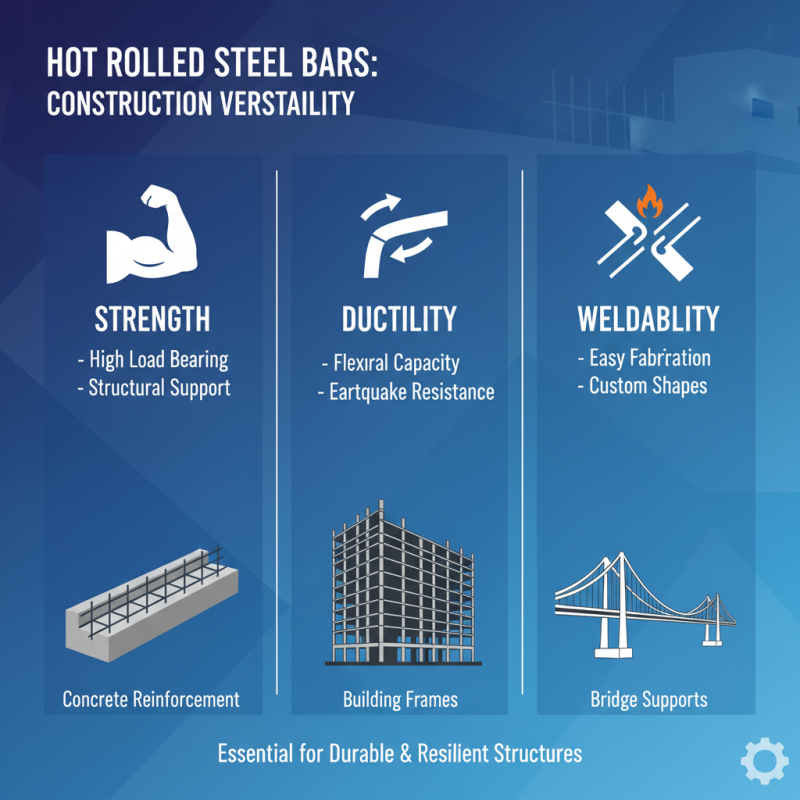
Hot rolled steel bars are known for their remarkable versatility, making them essential in a wide range of construction applications. Their inherent properties, such as strength, ductility, and weldability, enable engineers and architects to utilize them in various structural components. From reinforcements in concrete to frames for buildings and bridges, hot rolled steel bars provide the necessary support and durability to withstand dynamic loads and environmental stressors.
In addition to traditional construction applications, hot rolled steel bars are increasingly utilized in industrial manufacturing processes. They can be easily shaped and manipulated to create specialized components for machinery, tools, and automotive parts. This adaptability allows for innovative design solutions and cost-efficient production, ensuring that manufacturers can meet the evolving needs of their projects while maintaining high standards of quality and safety. Ultimately, the versatility of hot rolled steel bars continues to shape the landscape of construction and manufacturing, making them indispensable in modern engineering practices.
Enhanced Processing and Fabrication of Hot Rolled Steel Bars
Hot rolled steel bars are integral in the realms of construction and manufacturing due to their enhanced processing and fabrication capabilities. The hot rolling process involves shaping steel at elevated temperatures, which allows for improved malleability. This characteristic not only facilitates complex shapes and designs but also ensures that the material maintains its strength and durability. As a result, fabricators can easily work with hot rolled steel bars, cutting, bending, and welding them into various forms required for structural applications.
Another significant advantage of hot rolled steel bars is the ability to achieve uniform thickness and consistency throughout the material. This uniformity is crucial in ensuring the reliability of components used in construction projects, where safety and structural integrity are paramount. Furthermore, the enhanced mechanical properties of these bars, such as better ductility and toughness, enhance their performance in demanding applications. This translates to less waste during fabrication, minimizing costs and maximizing efficiency in the manufacturing process. The combination of enhanced processing capabilities and the exceptional properties of hot rolled steel bars makes them a preferred choice for engineers and fabricators alike.
Top 10 Benefits of Using Hot Rolled Steel Bar in Construction and Manufacturing
| Benefit |
Description |
Industry Application |
Cost Efficiency ($/ton) |
| High Strength |
Provides high tensile strength suitable for heavy-duty applications. |
Construction, Automotive |
500 |
| Versatility |
Can be used in various forms: bars, sheets, and rolls. |
Manufacturing, Landscaping |
450 |
| Improved Fabrication |
Easier to cut, shape, and weld compared to cold rolled steel. |
Construction, Shipbuilding |
480 |
| Cost-Effectiveness |
Generally less expensive to produce than cold rolled alternatives. |
Manufacturing, Construction |
400 |
| Heavy Load Capacity |
Durable under heavy loads and impact, preventing deformation. |
Civil Engineering, Infrastructure |
520 |
| Enhanced Surface Finish |
Better surface quality allows for improved aesthetic finishes. |
Architecture, Art Installations |
460 |
| Availability |
Widely available in various grades and specifications. |
All Industries |
495 |
| Easier Transportation |
Lightweight compared to equivalent cold-rolled sections for some sizes. |
Construction, Shipping |
455 |
| Sustainability |
Recyclable material contributing to reduced environmental impact. |
Environmental, Construction |
440 |
| Enhanced Ductility |
Characteristic of hot rolled steel allows for deformation without fracture. |
Manufacturing, Automotive |
485 |
Improved Workability and Weldability of Hot Rolled Steel Bars in Manufacturing
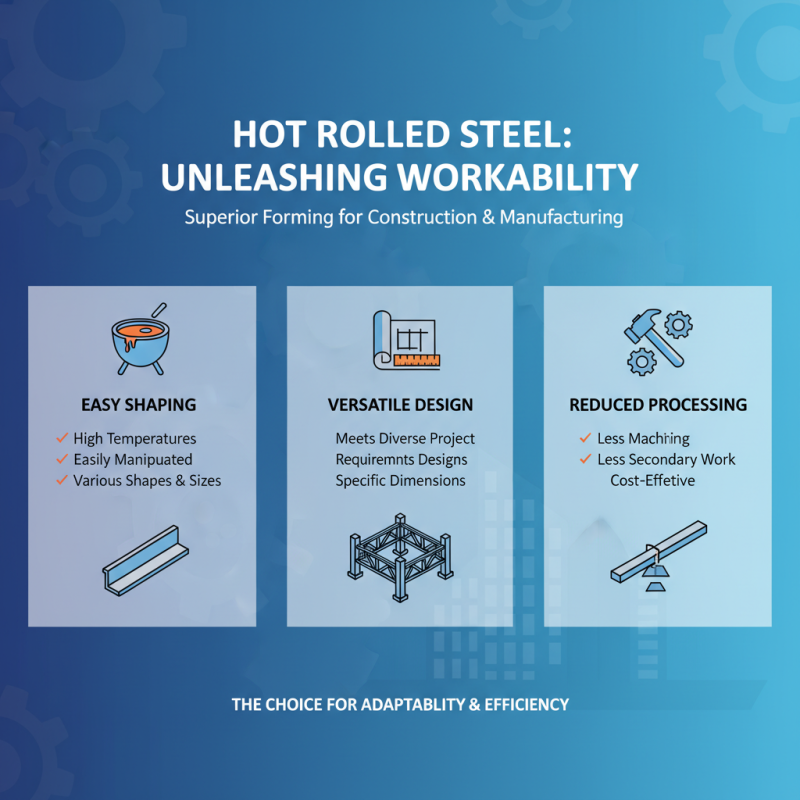
Hot rolled steel bars are renowned for their superior workability, making them a preferred choice in construction and manufacturing. One of the primary advantages of hot rolled steel is its ease of shaping and forming. The high temperatures involved in the manufacturing process allow the steel to be easily manipulated into various shapes and sizes, enabling it to meet the specific requirements of diverse projects. This characteristic is particularly valuable in applications that require intricate designs or specific dimensions, as it reduces the need for extensive machining or secondary processing.
Additionally, the weldability of hot rolled steel bars significantly contributes to their popularity in various manufacturing sectors. The hot rolling process enhances the metallurgical properties of the steel, allowing for improved fusion during welding operations. This ensures strong and durable joints, which are critical for structural integrity in construction projects. The combination of workability and weldability not only streamlines fabrication processes but also minimizes the risk of defects, resulting in higher-quality finished products. As construction and manufacturing demands continue to evolve, the benefits of hot rolled steel bars remain a cornerstone of modern engineering solutions.