Top 10 Benefits of Structural Steel in Construction Projects?
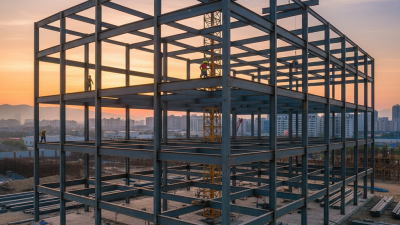
Structural Steel plays a vital role in modern construction projects. According to the American Institute of Steel Construction, 75% of commercial buildings utilize Structural Steel due to its unmatched strength and versatility. Structural Steel not only enhances durability but also reduces long-term maintenance costs. Experts highlight its significant advantages in earthquake and fire resistance, making it a preferred choice.
Dr. Michael Turner, a leading structural engineer, emphasizes, “Structural Steel is the backbone of structural innovation.” Its lightweight nature allows for efficient transport and ease of assembly on-site. This saves time and labor costs, critical factors in any construction project. Despite its benefits, reliance on Structural Steel also presents challenges, such as sourcing materials sustainably.
On the downside, the production of Structural Steel has environmental impacts that cannot be overlooked. The industry must continuously seek improvements. Balancing efficiency with eco-responsibility remains an essential focus for construction. As the demand for sustainable practices rises, the future of Structural Steel will undoubtedly evolve. Embracing innovation while addressing these concerns will shape the next generation of construction.
Advantages of Structural Steel in Construction Durability
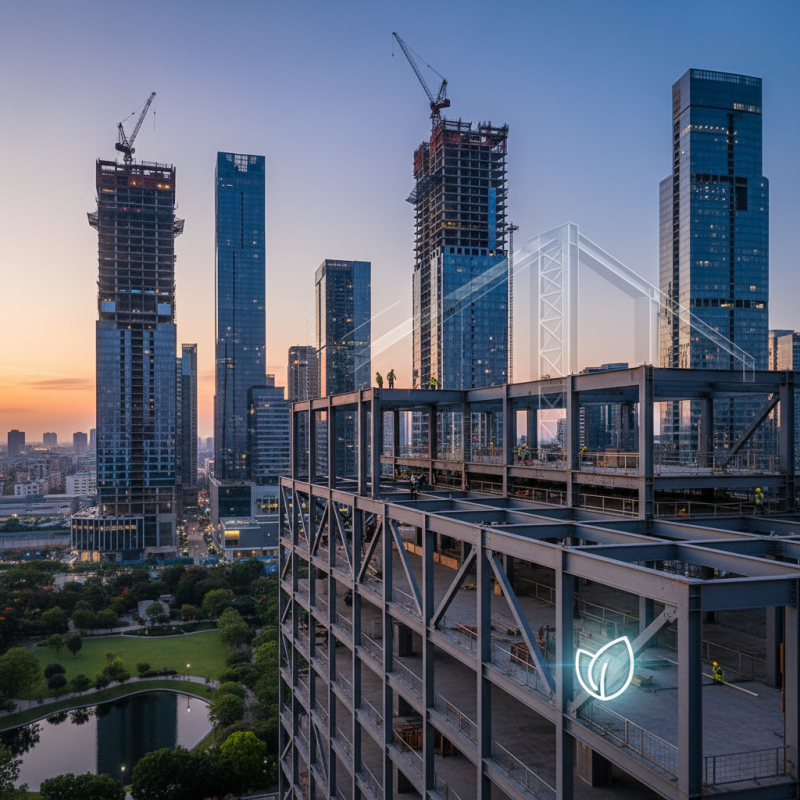
Structural steel stands out in construction for its durability. It can easily withstand heavy loads and resist environmental stressors. Whether facing high winds or even seismic activities, structural steel offers a reliable backbone for buildings. This material does not succumb easily to wear or damage. Its longevity often leads to lower maintenance costs over time.
Another significant advantage lies in its resistance to fire and pests. Unlike wood, structural steel does not rot or attract insects. This means a reduced risk of structural failure. However, one must keep in mind that while steel resists fire, it can still lose strength at elevated temperatures. Proper fireproofing and insulation are necessary for safety.
While structural steel provides many benefits, its material properties also pose challenges. For example, the initial cost may be higher than other materials. But the longevity and low upkeep often balance that out. Builders might need to consider these factors when choosing materials. Proper planning and assessment can lead to successful outcomes.
Cost-Effectiveness of Structural Steel Solutions
The cost-effectiveness of structural steel in construction is significant. According to research by the American Institute of Steel Construction, structural steel can reduce overall project costs by up to 20%. This savings arises from various factors, including faster construction times and reduced labor expenses. Steel's lightweight nature allows for easier transportation and quicker assembly, saving both time and money.
Tip: When planning a project, consider using 3D modeling software. This can identify any potential issues early on, which helps control costs.
Additionally, structural steel's durability translates to long-term savings. It requires less maintenance compared to other materials, leading to lower lifetime costs. Projects utilizing steel have shown a decrease in repair costs by approximately 30%. However, it's essential to accurately assess local market conditions and steel prices. Fluctuations can impact overall expenditures.
Tip: Regularly check steel market trends. This insight can help in budgeting effectively and securing better rates.
While there are many benefits to using structural steel, feasibility studies are crucial. Not all projects suit this material. Understanding specific requirements will maximize advantages. Taking these factors into account can enhance project success and profitability.
Top 10 Benefits of Structural Steel in Construction Projects
Design Flexibility Offered by Structural Steel
Structural steel brings a unique design flexibility to construction projects. Its lightweight nature allows architects to explore innovative shapes that might be challenging with traditional materials. According to a report by the American Institute of Steel Construction, structural steel can accommodate various design styles, whether contemporary or traditional. This versatility aids in creating buildings that not only meet functional needs but also stand out aesthetically.
Moreover, structural steel's adaptability extends to modifications during the design process. Changes can often be accommodated without extensive rework. A study from the Steel Construction Institute indicates that steel structures can be erected and modified faster than others, often reducing overall project time. However, some projects encounter challenges when integrating steel with other materials. Balancing design intent and structural performance can be complex.
In many instances, relying heavily on structural steel may lead to a lack of harmony with the surrounding environment. The aesthetic impact should always be considered. This requires careful thought from designers and architects. To achieve the best outcomes, collaboration across disciplines is key. The right approach can truly exploit the flexibility that structural steel has to offer.
Sustainability Benefits of Using Structural Steel
Structural steel is increasingly recognized for its sustainability advantages in construction. According to a report by the World Steel Association, 85% of structural steel is recycled at the end of its life cycle. This recycling capability drastically reduces the demand for new raw materials. In fact, producing steel from recycled sources can consume up to 75% less energy compared to using virgin materials.
Additionally, structural steel enhances energy efficiency in buildings. Structures built with steel often use less material while maintaining strength, leading to lighter foundations. This approach not only saves resources but also minimizes the carbon footprint. A study by the U.S. Green Building Council highlights that steel buildings can achieve better insulation performance when combined with the right materials. However, the process of producing steel isn't entirely free from environmental impact. The emissions during the production phase still require diligent management.
Another area to reflect on is the lifecycle assessment of steel. While steel is durable, its production involves significant emissions. Construction projects must consider sourcing methods and transportation impacts. Sustainable practices in steel sourcing can lead to improved outcomes. It’s essential to continuously seek innovative recycling and production processes to further enhance steel's sustainability profile. Innovations in steel manufacturing show promise but need broad adoption for maximum effect.
Speed of Construction with Steel Frameworks
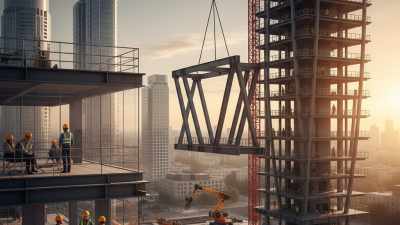
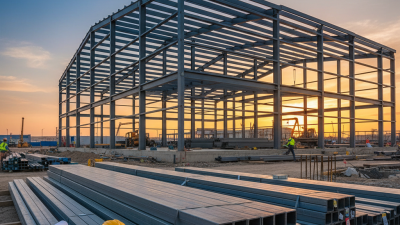
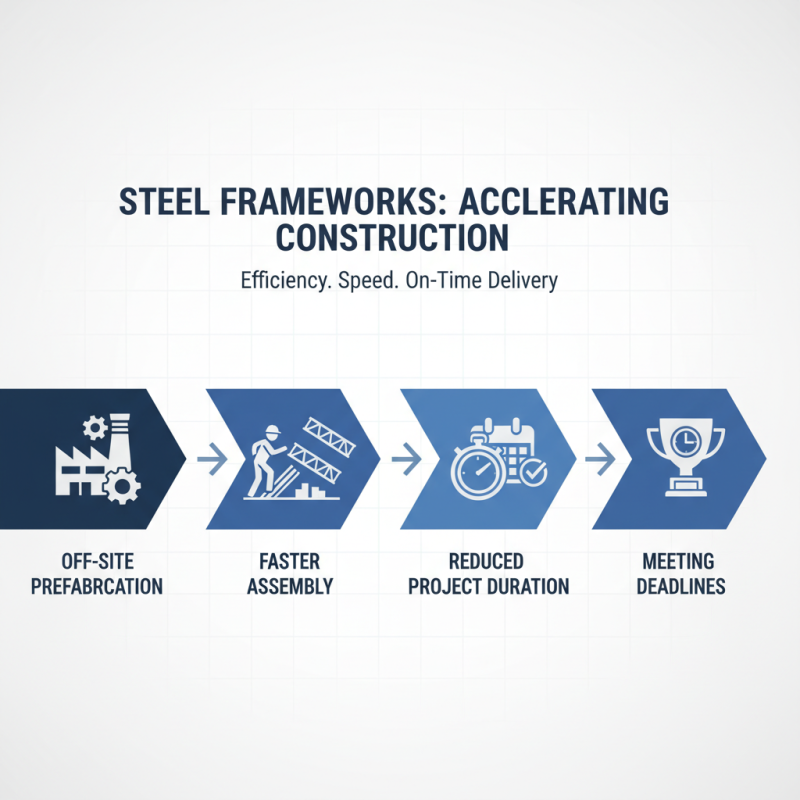
The use of steel frameworks in construction significantly speeds up the entire project timeline. Steel can be pre-fabricated off-site. This allows teams to work more efficiently. When the materials arrive, assembly becomes quicker. Workers can erect frames faster than traditional materials. This speed is crucial for meeting tight deadlines.
However, it’s not without challenges. Weather can delay outdoor work, even with steel. Coordination among teams must be precise. Miscommunication can lead to setbacks. Builders must ensure quality inspections at each step. Even a small mistake can cause serious delays in the schedule.
In urban areas, space constraints may arise. This can complicate the speed advantage of steel. Yet, innovative strategies can help mitigate these issues. Employing modern tools, like drones, offers better site management. Regular assessments can further streamline construction flows.