Top Brass Pipe Applications and Benefits for Plumbing and Construction?
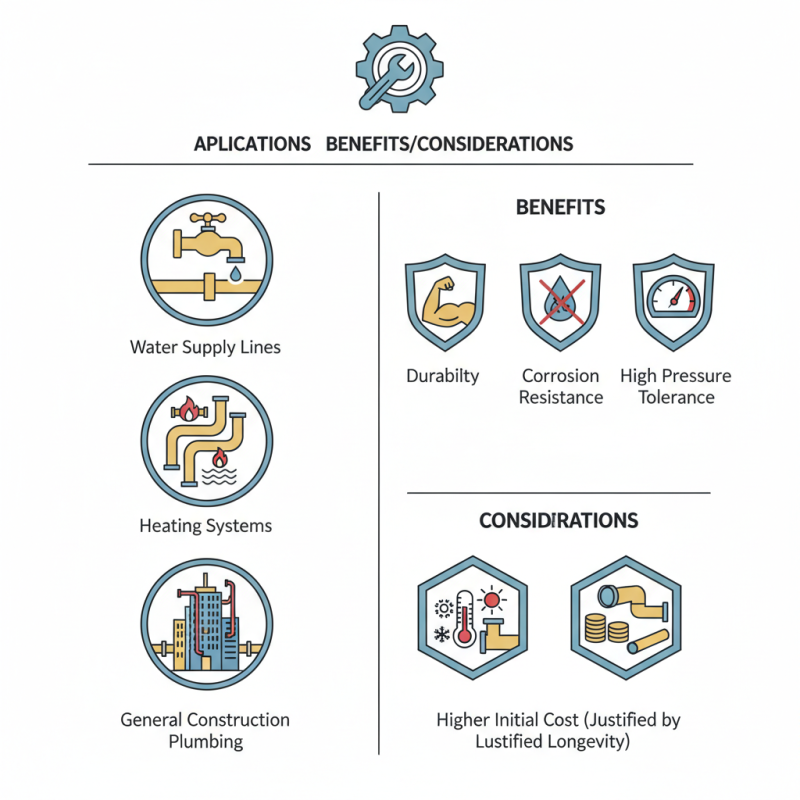
Brass pipes have long been a staple in plumbing and construction industries. Their popularity stems from various advantages. Brass is known for its durability and resistance to corrosion. This makes it an ideal choice for water supply lines and heating systems.
Many builders prefer brass pipes due to their strength. They handle high pressure well, reducing the risk of leaks. However, not all brass pipe applications are perfect. Some may struggle with temperature extremes, leading to failures.
Moreover, the cost of brass can be higher compared to other materials. Yet, the longevity often justifies the expense. In this dynamic field, understanding the pros and cons of brass pipe applications can help inform better decisions for projects.
Overview of Brass Pipes in Plumbing and Construction
Brass pipes are increasingly prominent in plumbing and construction. Their superior durability and corrosion resistance make them a popular choice. According to the National Association of Home Builders, up to 50% of plumbing repairs stem from pipe failure. Brass minimizes these issues significantly, ensuring longer service life.
The versatility of brass pipes is remarkable. They can handle high temperatures and pressures. A report by the American Society of Plumbing Engineers shows that brass pipes maintain structural integrity under extreme conditions. However, while the benefits are clear, cost remains a concern. Brass pipes tend to be pricier than alternatives like PVC or copper. This can deter budget-conscious projects.
Despite their advantages, there are downsides. The potential for dezincification poses risks in certain environments. This process weakens the metal over time. Many construction professionals advocate for proper installation to prevent such issues. Proper sealing and jointing are crucial. These details can often be overlooked, leading to costly repairs down the road.
Key Properties of Brass That Enhance Pipe Performance
Brass pipes have become a popular choice in plumbing and construction due to their unique properties. The alloy of copper and zinc offers excellent corrosion resistance. In fact, studies show that brass pipes can last up to 70 years under typical conditions. This durability minimizes replacements, saving costs in the long run.
Another significant feature of brass is its antimicrobial properties. Research indicates that brass reduces bacterial growth on its surface by nearly 99% compared to other metals. This makes it ideal for applications in healthcare facilities. However, not all brass compositions deliver the same results, and the quality can vary. It's essential to choose the right grade for specific projects.
Flexibility is another critical advantage. Brass pipes can be easily formed and fitted, allowing for complex plumbing systems. However, some craftsmen report challenges when working with softer grades, leading to issues like deformation. Balancing the right material with the appropriate application is vital. Overall, the properties of brass enhance pipe performance, contributing to better plumbing solutions.
Common Applications of Brass Pipes in Residential and Commercial Projects
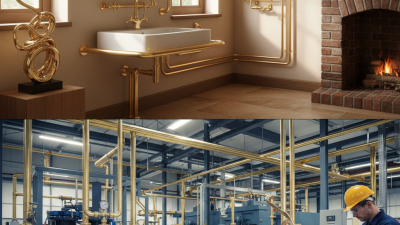
Brass pipes are widely used in both residential and commercial plumbing. Their durability and corrosion resistance make them a preferred choice for many projects. In a recent industry report, 25% of plumbing installations in new homes use brass piping. This is likely due to its long lifespan and reliability.
In commercial settings, brass pipes often get overlooked. However, they play a critical role in HVAC systems and fire protection. According to market data, 30% of commercial building systems benefit from brass piping. Its ability to withstand high pressures and temperatures adds to its appeal.
Despite these advantages, there are some concerns. Brass can corrode over time, especially if water quality is poor. Some studies suggest that chemical reactions can lead to leaching. This raises important questions about safety and health. Understanding these risks is vital for builders and developers.
Top Brass Pipe Applications and Benefits for Plumbing and Construction
Benefits of Using Brass Pipes Over Other Materials in Plumbing
Brass pipes have gained popularity in plumbing and construction due to their unique properties. They are highly resistant to corrosion. This quality extends the lifespan of plumbing systems. In many cases, brass outperforms other materials like PVC and steel. It also withstands high temperatures, making it suitable for various applications.
Another notable benefit is the aesthetic appeal of brass. It has a warm, golden hue that often enhances the overall look of fixtures. This attractiveness can add value to a home or building. However, maintaining its shine requires occasional polishing. Some may find this upkeep inconvenient.
Brass also has antimicrobial properties. This makes it a safer choice for drinking water systems. Bacteria struggle to survive on brass surfaces. Yet, some may question whether these properties hold in all conditions. Overall, while brass pipes offer many advantages, they may require more attention compared to options like plastic pipes. Choosing the right material is crucial, and each option presents unique challenges.
Maintenance and Longevity of Brass Pipes in Construction Settings
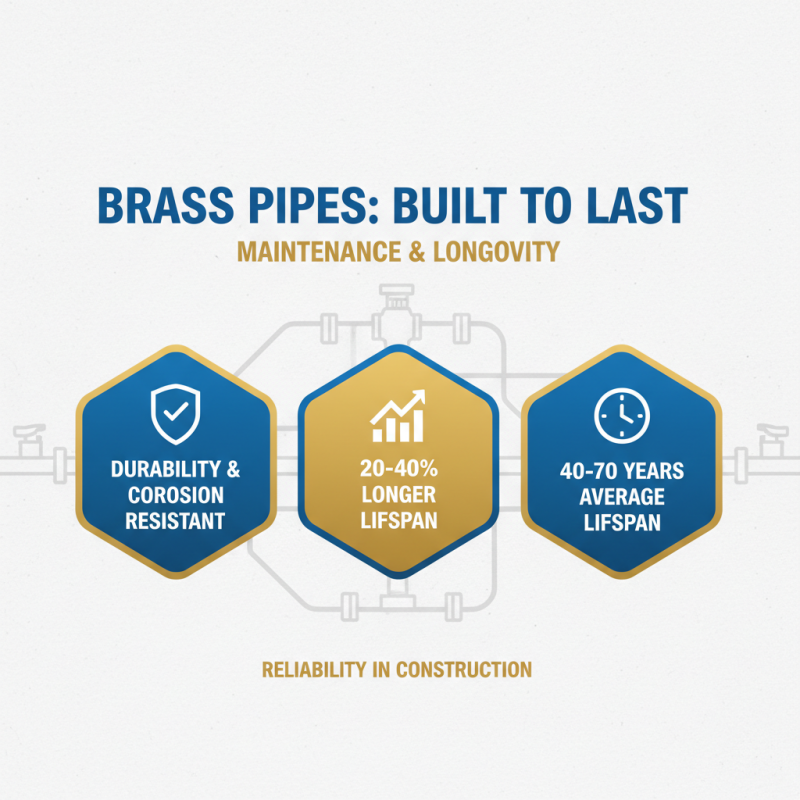
Brass pipes are increasingly favored in construction settings for their durability and corrosion resistance. Reports indicate that these pipes can outlast other materials by 20% to 40% in various environments. The average lifespan of brass pipes ranges from 40 to 70 years. This longevity is crucial in applications where reliability is non-negotiable.
Regular maintenance of brass pipes can enhance their service life. Periodic inspections can identify wear, oxidation, or potential leaks early. Interestingly, many construction professionals overlook this aspect, leading to unexpected failures. Such oversights can result in costly repairs and downtime. Due to the pipe's natural resistance to rust, the maintenance needed is often less intensive compared to others, but it cannot be neglected.
A key point to consider is the variable quality of brass materials available in the market. Not all brass pipes are created equal. Some may contain zinc which can lead to dezincification over time. This can weaken the pipe and lead to premature failure. Construction engineers should prioritize high-quality materials to minimize these risks.