Top Carbon Steel Pipe Types and Their Applications?
In the world of construction and manufacturing, Carbon Steel Pipe plays a vital role. Renowned industry expert, John Anderson, once stated, "The right pipe can make or break a project." This underscores the importance of understanding carbon steel pipe types and their applications.
Various types of carbon steel pipes exist, each tailored for specific needs. The choices can be overwhelming. There are seamless pipes, welded pipes, and various grades. Each type has unique benefits and limitations. Do you know which one is best for your project?
Knowing the appropriate carbon steel pipe can prevent costly mistakes. Think about pressure ratings, corrosion resistance, and compatibility with other materials. It’s essential to research thoroughly. Each decision impacts durability and overall success. Understanding these factors is crucial for efficient project outcomes.
Types of Carbon Steel Pipes Commonly Used in Industries
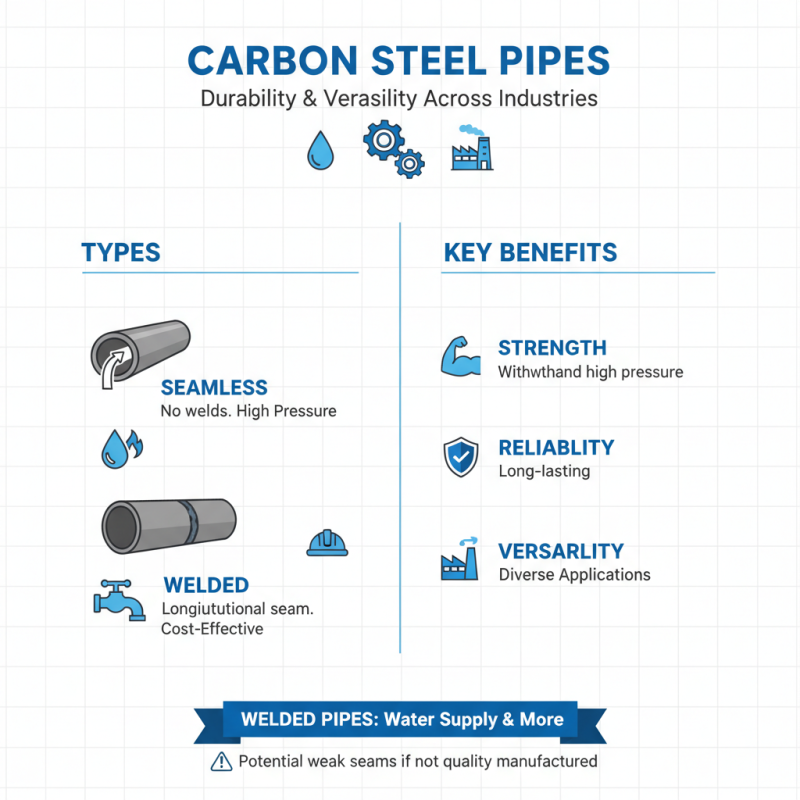
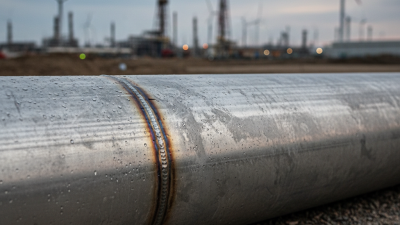
Carbon steel pipes are crucial in various industries due to their durability and versatility. They come in different types, each serving specific applications. One prominent type is the welded carbon steel pipe. These pipes offer excellent strength and can withstand high pressure. Often used in water supply systems, they are reliable but can suffer from weak seams if not properly manufactured.
Another common type is seamless carbon steel pipes. These are used in critical applications like oil and gas transportation. According to industry reports, seamless pipes account for a significant portion of the total carbon steel pipe market. Their ability to handle high-pressure and temperature conditions makes them preferred in harsh environments. However, the manufacturing process is complex and can lead to higher costs.
Additionally, the use of carbon steel pipes in construction is expanding. They provide structural integrity and can be easily welded. While they are popular, maintenance is essential to prevent corrosion. Statistics suggest that nearly 30% of failures in carbon steel pipes are attributed to corrosion. Addressing these issues is vital for longevity and safety. The right type of carbon steel pipe selection is key to achieving optimal performance in any industry application.
Applications of Carbon Steel Pipes in Construction Projects
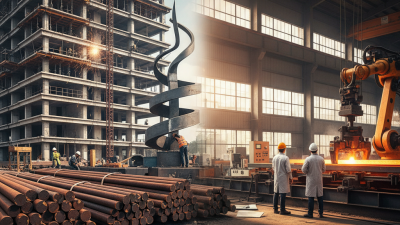
Carbon steel pipes play a vital role in construction projects. They are known for their strength and durability. According to industry reports, carbon steel pipes account for approximately 60% of all pipeline materials used in construction. This high percentage highlights their importance in infrastructure development.
In construction, carbon steel pipes are widely used for plumbing and structural applications. They can withstand high pressure and are ideal for transporting water, gas, and other fluids. Their resistance to corrosion makes them suitable for various environments. A recent study showed that projects using carbon steel pipes showed a 20% increase in overall performance compared to alternatives.
However, not all carbon steel pipes are created equal. Quality can vary significantly. Some cheaper options may lead to unexpected failures. Common issues include leaks and reduced lifespan. It’s crucial to assess material specifications before procurement. Inspecting pipes ensures they meet project requirements. Proper evaluation prevents costly repairs down the line.
Key Features and Benefits of Carbon Steel Pipe Varieties
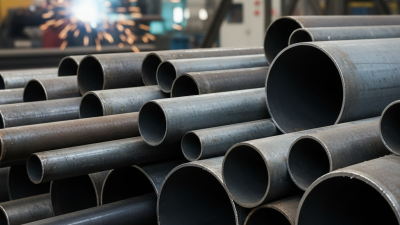
Carbon steel pipes are essential in various industries due to their unique features. They are renowned for strength and durability. These pipes can withstand high pressure and temperature. That makes them ideal for power generation and oil transportation.
One key benefit of carbon steel pipes is their versatility. They come in different grades, with varying carbon content. This allows them to be tailored for specific applications. For example, low carbon steel pipes are malleable, making them easier to weld. High carbon versions offer enhanced strength and wear resistance.
When considering carbon steel pipes, it's crucial to note their vulnerability to rust. Proper coating or galvanization is often necessary. Additionally, factors like thickness and diameter can impact performance. Selecting the right type demands careful thought on application needs. What works in one scenario may falter in another. Balancing these aspects is vital for effective use.
Top Carbon Steel Pipe Types and Their Applications
| Pipe Type |
Key Features |
Applications |
Benefits |
| Seamless Pipe |
No seams, high strength |
Oil and gas, construction |
High pressure tolerance, reliability |
| Welded Pipe |
Economical, diverse sizes |
Water supply, plumbing |
Lower cost, flexibility in design |
| Black Pipe |
Oil-coated surface, good for gas |
Natural gas lines, heating systems |
Corrosion resistant, easy to connect |
| Galvanized Pipe |
Zinc coating, rust resistant |
Water supply, fencing |
Durable, long-lasting |
| Carbon Steel Pipe |
High carbon content, strong |
Structural, industrial applications |
Strength, affordability |
Comparison of Carbon Steel Pipes with Other Pipe Materials
When considering carbon steel pipes, it's crucial to compare them with other materials. Carbon steel pipes are known for their strength and durability. Reports indicate that they can handle high pressures, making them ideal for various industrial applications. In contrast, materials like PVC and copper may not withstand such conditions. PVC is lighter but less robust, while copper is more expensive and prone to corrosion.
Tips: Always assess your project's requirements. The right material can save costs and maintenance issues.
Carbon steel pipes excel in thermal conductivity and are suitable for high-temperature environments. Stainless steel, while resistant to rust, may not be as efficient in heat transfer. A study indicated that carbon steel pipes offer a longer lifespan in applications involving high heat and pressure. Still, they require regular inspections to prevent rust and wear.
Tips: Regular maintenance checks can extend the life of carbon steel pipes. Delaying maintenance may lead to costly repairs.
Maintenance and Longevity of Carbon Steel Pipes in Different Environments
Carbon steel pipes are widely used in various industries due to their strength and durability. However, their performance can significantly vary depending on environmental conditions. Regular maintenance is crucial for extending the lifespan of these pipes. For instance, carbon steel is prone to corrosion, especially in humid or coastal areas. A study by the American Society of Civil Engineers indicates that nearly 50% of carbon steel failures are due to corrosion.
To enhance longevity, it’s important to apply protective coatings and conduct routine inspections. In environments with high moisture levels, implementing cathodic protection can be effective. Similarly, the rusting process may accelerate in acidic or alkaline conditions. Using galvanized pipes is one way to mitigate corrosion risks, yet this may not be feasible for all applications.
Regular cleaning and monitoring of pH levels in the surrounding soil can further improve the durability of carbon steel pipes. Even with proper care, unexpected failures can occur. Environmental factors are unpredictable. It’s essential for industries to remain vigilant and adapt maintenance practices as needed. Proper documentation of pipe condition can help identify patterns in deterioration. Understanding these aspects can lead to better resource management and improved safety measures.