How to Choose the Right Automotive Steel for Your Vehicle Needs?
Choosing the right automotive steel can significantly impact your vehicle's performance and durability. Automotive steel comes in various grades and types, each suited for different applications. It is essential to understand your vehicle's specific needs before selecting the appropriate steel.
Different vehicles require different properties from steel. For instance, some may need high tensile strength, while others prioritize weight reduction. Pay attention to factors like corrosion resistance and formability. These details are crucial for ensuring your automotive parts last longer.
However, navigating the options can be overwhelming. Many individuals might overlook essential specifications or focus solely on cost rather than quality. Reflect on what your vehicle truly needs, and consider consulting experts or reliable sources to make informed decisions. Selecting the right automotive steel is a vital step in achieving optimal vehicle performance.
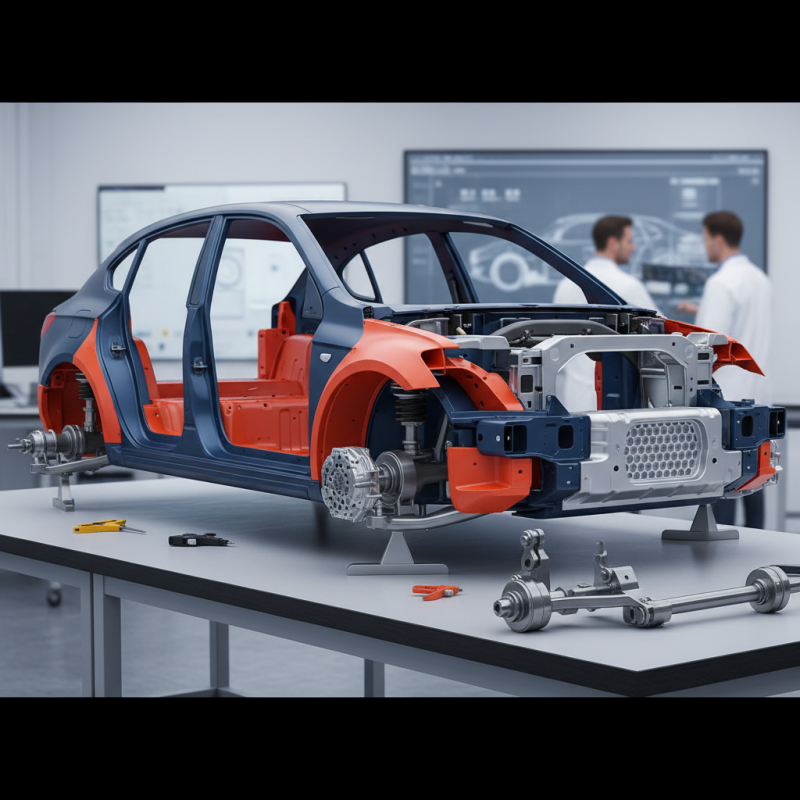
Understanding the Different Types of Automotive Steel Available
When it comes to automotive steel, there are various types to consider. Each type serves a specific purpose in vehicle manufacturing. For instance, carbon steel is commonly used for its strength and durability, making it an ideal choice for structural components. However, its weight can affect fuel efficiency, a trade-off some manufacturers grapple with.
Stainless steel offers excellent corrosion resistance. This feature is beneficial for vehicles exposed to harsh weather conditions. Yet, stainless steel can be costlier, and not all models justify that expense. It's crucial to weigh the benefits against the budget constraints.
High-strength steel is another option. It provides lightweight alternatives while maintaining safety standards. Still, it may not be suitable for every part of a vehicle. Choosing the right type involves balancing performance, cost, and safety. It often requires some trial and error, leading to valuable lessons in the selection process. Each decision significantly impacts the vehicle's overall functionality and longevity.
Evaluating Vehicle Requirements Based on Performance and Safety
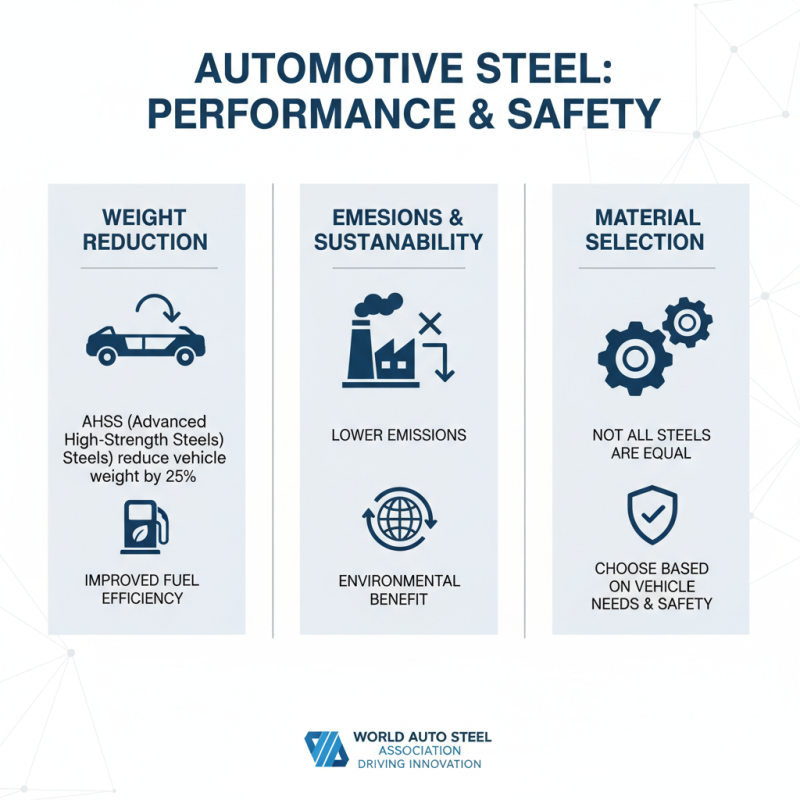
Choosing the right steel for automotive applications revolves around performance and safety. A study from the World Auto Steel Association shows that advanced high-strength steels (AHSS) can reduce vehicle weight by 25%. This weight reduction enhances fuel efficiency, contributing directly to lower emissions. However, not all steels are created equal. Understanding the specific needs of your vehicle is crucial.
For safety, crash performance is paramount. A report from the Insurance Institute for Highway Safety suggests that vehicles made with AHSS structures show 20% better performance in crash tests compared to conventional materials. This increase in safety is significant. However, using the wrong type of steel could compromise structural integrity.
Different vehicles demand different solutions. For instance, electric cars often require materials that balance weight and safety. Heavy-duty vehicles may prioritize strength over weight. As the steel market evolves, staying informed is essential. It's vital to reassess choices, as overlooked factors can lead to suboptimal safety and performance. Finding the right balance between steel type, cost, and vehicle design is not straightforward, and sometimes decisions made early in the design process might need revisiting later.
Assessing Cost-Effectiveness of Various Steel Grades for Vehicles
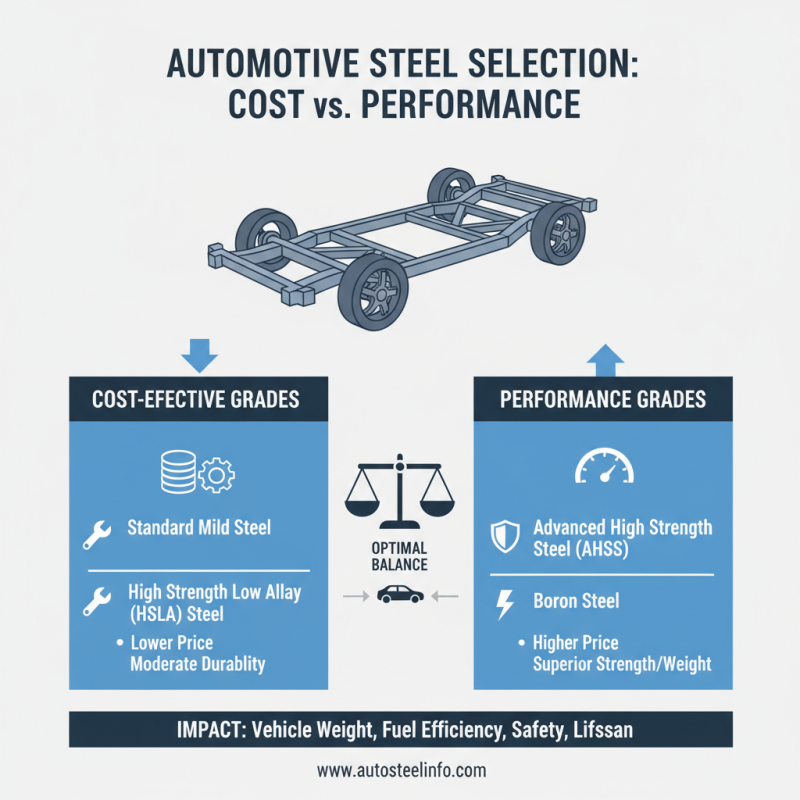
When selecting steel for automotive applications, cost-effectiveness is key. Various grades of steel exist, each with unique properties. Some are lightweight yet strong, while others may be cheaper but lack durability. This balance affects overall vehicle performance.
High-strength steel often comes at a premium. However, its longevity can lead to savings in maintenance. Cheaper alternatives might entice buyers initially, but frequent repairs can erode savings. It’s worth pondering whether short-term gains justify potential long-term costs.
Recycling steel can also impact costs. Using recycled materials may reduce expenses and environmental impact. However, recycled steel must meet specific standards. The challenge lies in finding affordable options that don’t compromise quality. Making a choice involves scrutinizing each option. Balancing cost and performance is crucial to choosing the right automotive steel.
Exploring Environmental Impact and Sustainability in Steel Selection
Choosing the right automotive steel involves considering environmental impact and sustainability. The steel industry is a significant contributor to carbon emissions. However, advancements in green technologies can help mitigate this. For instance, recycled steel offers a lower carbon footprint. It reduces the need for raw materials and energy consumption. This option stands out as a sustainable choice for manufacturers.
Sustainability in steel selection is not just about recycling. It also involves evaluating the entire production process. The life cycle assessment of steel can reveal hidden impacts. This includes greenhouse gas emissions during manufacturing and transportation. Opting for locally sourced materials can further lessen environmental harm. Yet, isn't it often overlooked? Consumers must question their choices more critically.
Moreover, while high-strength steels are beneficial for vehicle safety, they may not always be the most sustainable option. The trade-offs between strength and environmental impact require careful thought. It is essential to balance durability with ecological benefits. Are we fully aware of these impacts? Each decision in steel selection shapes the future of automotive sustainability.
How to Choose the Right Automotive Steel for Your Vehicle Needs?
| Steel Type |
Properties |
Environmental Impact |
Sustainability |
Common Applications |
| High-Strength Low-Alloy (HSLA) Steel |
Lightweight, improved strength, and weldability |
Lower carbon footprint due to reduced weight |
Recyclable and sustainable production processes |
Chassis, suspension components |
| Dual-Phase Steel |
Excellent formability and energy absorption |
Utilizes less material for the same performance level |
Easily recyclable |
Body panels, crash protection zones |
| Microalloyed Steel |
Good hardenability, high strength-to-weight ratio |
Lower emissions in production |
Recycled steel usage |
Automotive frames, structural components |
| Stainless Steel |
Corrosion resistance, aesthetic appeal |
Recyclable with long lifespan |
High durability and reusability |
Exhaust systems, trim parts |
Consulting with Experts and Manufacturers for Informed Decisions
When choosing the right automotive steel, consulting with experts is crucial. They can provide valuable insights tailored to your vehicle's specific needs. Many industry professionals possess years of experience. Their understanding of steel properties can be a game changer. You might consider factors like weight, strength, and corrosion resistance. Yet, it’s easy to overlook these elements when under pressure.
Manufacturers also play a vital role in this decision. They understand the latest advancements in materials. Engaging with them can help clarify your options. They can explain how different types of steel affect performance and safety. Sometimes, the technical jargon can be overwhelming. It’s essential to ask questions, even if they seem basic. Their responses can illuminate important details you might have missed.
The process is not straightforward. Missteps can happen. You might feel tempted to base decisions on cost alone. However, this can lead to subpar results. Remember, spending a bit more might yield better durability and safety. Reflecting on past decisions can guide future choices. Using expert advice wisely can help pave the way for a safer automotive experience.
Automotive Steel Choices by Type