How to Choose the Best Cold Rolled Steel for Your Project?
When selecting materials for a project, choosing the right Cold Rolled Steel is crucial. According to a report by the American Institute of Steel Construction, the use of Cold Rolled Steel has increased by over 30% in various manufacturing sectors. This type of steel offers a high finish and precise dimensions, making it ideal for many applications. However, not all Cold Rolled Steel is created equal.
Understanding your project's specific requirements is essential. Different grades of Cold Rolled Steel have varied properties, which affect their performance in applications. For example, a higher carbon content results in increased strength but may reduce formability. It is necessary to weigh these factors carefully, as an inappropriate choice can lead to structural failures or increased costs.
Reflecting on your project's goals is vital. While budget constraints often dictate decisions, investing in high-quality Cold Rolled Steel can enhance long-term durability and performance. Poor decisions may stem from a focus on cost alone, overshadowing essential aspects like safety and longevity. Therefore, knowledge of the material's specifications can lead to better project outcomes.
Factors to Consider When Selecting Cold Rolled Steel
When selecting cold rolled steel for your project, several factors are crucial. One of the most significant is the thickness of the steel. Thicker sheets offer more strength. However, they can be harder to work with. Consider your project’s requirements. A balance between strength and workability is essential.
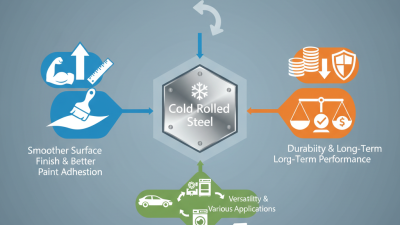
Another important aspect is the material’s surface finish. Cold rolled steel generally has a smooth surface. This allows for easier painting or coating. But it may not be ideal for all applications. For example, in environments exposed to corrosion, a protective coating is necessary. Evaluate how the finished product will be used.
Lastly, understanding the steel’s mechanical properties is fundamental. Yield strength determines how much stress the steel can handle. Ductility indicates how much it can bend without breaking. Each of these traits impacts your project’s performance. Make sure you know the specific demands of your application. Reflect on whether the chosen steel meets those needs. Achieving the right selection may require some trial and error.
Comparison of Different Cold Rolled Steel Grades
This bar chart illustrates the yield strength of different cold rolled steel grades, which is crucial for selecting the right material for your project. Higher yield strength indicates a stronger material, suitable for more demanding applications.
Understanding Different Grades of Cold Rolled Steel
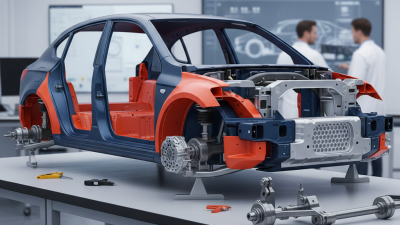
When selecting cold rolled steel, understanding its grades is crucial. Cold rolled steel comes in various grades, each designed for specific applications. For instance, ASTM A1008 is a high-strength, low-alloy steel known for its excellent formability. It is widely used in automotive components due to its toughness. According to industry reports, 57% of manufacturers prefer A1008 for projects requiring durability and resilience.
Other grades, such as SAE 1008, offer different characteristics. This grade provides a good balance of strength and ductility. It’s suitable for applications like electrical appliances. However, the choice often hinges on factors like thickness and finish. A report by the Steel Manufacturers Association shows that 45% of users face challenges in selecting the right grade for their needs. The data emphasizes the importance of aligning material choice with project requirements.
Moreover, it’s notable that not all grades perform equally under varying conditions. For example, while low-carbon steels can be easily welded, they may not withstand extreme environments. Some manufacturers report that misjudgment in steel selection led to project delays. Reflecting on these choices helps enhance future decisions. Understanding the nuances of cold rolled steel grades is a step towards sustainable and efficient project outcomes.
Assessing the Thickness and Dimensions for Your Project Needs
When selecting cold rolled steel, thickness and dimensions are critical. Assess your project’s requirements first. Consider how the steel will be used. For structural applications, thicker steel generally provides more strength. If flexibility is needed, thinner gauges might be better.
The size of your steel pieces must also meet specific project demands. Measure carefully to avoid mistakes. An incorrect dimension can lead to waste. Many opt for standard sizes, but customization might be necessary. Be ready to adjust based on your design needs.
Don't neglect the weight factor. Thicker steel is heavier and may require additional support. Evaluate how this will impact your overall design. Document everything during your planning phase. Mistakes in width or thickness can lead to serious delays. Consider consulting professionals if unsure about specifications.
Evaluating the Surface Finish and Its Impact on Performance
When selecting cold rolled steel, the surface finish plays a significant role in its overall performance. A smooth surface can enhance aesthetic appeal and reduce friction. Industrial applications often require specific finishes to ensure low wear rates and efficient operation. However, achieving the perfect finish is challenging. Some manufacturers may compromise on quality, impacting durability.
Dull finishes might not show defects easily. An unpolished surface could indicate poor processing. Such shortcomings can lead to higher maintenance costs or reduced product lifespan. On the other hand, a finely finished steel can provide better corrosion resistance. Yet, it also makes the material more prone to scratching. This paradox requires careful consideration.
Not all projects demand the highest polish. Sometimes, a rougher texture might support better adhesion. Balancing aesthetics and performance is crucial. Assess your project's specific requirements first. It’s essential to understand the intended application and environment for the steel. This approach can guide you toward the best decision. Always consult with experts to gain deeper insights. Evaluating surface finishes should not be overlooked. It can profoundly affect the end result.
Cost Analysis: Balancing Quality and Budget for Cold Rolled Steel
When considering cold rolled steel for projects, budget is a critical factor. A recent report from the Steel Construction Institute notes that cold rolled steel can range from $600 to $900 per ton. This range can greatly affect project costs, especially for large-scale applications. Balancing quality with cost requires careful consideration. Lower-priced options may sacrifice strength and durability, impacting long-term performance.
Moreover, project managers often overlook hidden costs. These can emerge from poor-quality materials leading to increased maintenance. According to a study by the American Institute of Steel Construction, nearly 30% of project overruns are linked to material issues. Choosing a reputable supplier can mitigate risks and ensure consistent quality. It's vital to analyze the mechanical properties, yield strength, and finish type when selecting cold rolled steel.
However, not all projects require the highest available grade of steel. Sometimes, a middle-range option can suffice, providing a better balance of performance and cost. Reflecting on the true needs of your project can save money while maintaining adequate structural integrity. Fostering this understanding will ultimately lead to more informed, strategic decisions.
How to Choose the Best Cold Rolled Steel for Your Project?
| Steel Grade |
Thickness (mm) |
Yield Strength (MPa) |
Tensile Strength (MPa) |
Cost per Ton ($) |
| SPCC |
0.5 |
210 |
340 |
800 |
| S235JR |
1.0 |
235 |
360 |
750 |
| A569 |
1.5 |
250 |
400 |
700 |
| DC01 |
0.8 |
210 |
330 |
780 |
| E260 |
2.0 |
260 |
430 |
720 |