How to Choose the Right Copper Pipes for Your Plumbing Needs in 2025
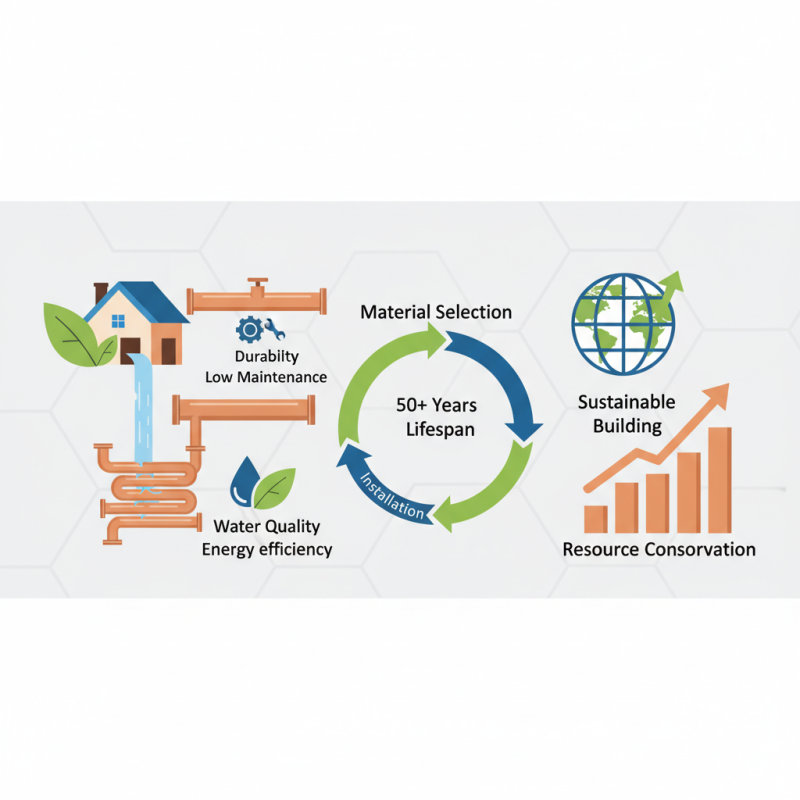
As we approach 2025, selecting the right copper pipes for plumbing needs is increasingly crucial, not only for efficiency but also for sustainability. According to a recent report by the International Copper Association, copper pipes have become the go-to choice for residential plumbing due to their durability and resistance to corrosion, boasting a lifespan of over 50 years when properly installed. This makes them a wise investment for homeowners looking to reduce long-term maintenance costs.
Expert insights further support this trend. Dr. Emily Carter, a renowned plumbing engineer, notes, “Choosing the right copper pipes can significantly enhance both water quality and energy efficiency in modern plumbing systems.” Her emphasis on the importance of material selection resonates in an era where eco-friendly construction is at the forefront of industry initiatives.
With a projected increase in the demand for sustainable building practices, understanding the various types of copper pipes available—such as rigid and flexible options—along with their specific applications, will empower homeowners and contractors alike to make informed decisions. As the plumbing industry continues to evolve, the significance of choosing the right copper pipes cannot be overstated, aligning with global objectives for resource conservation and efficient infrastructure development.
Understanding the Different Types of Copper Pipes Available in 2025
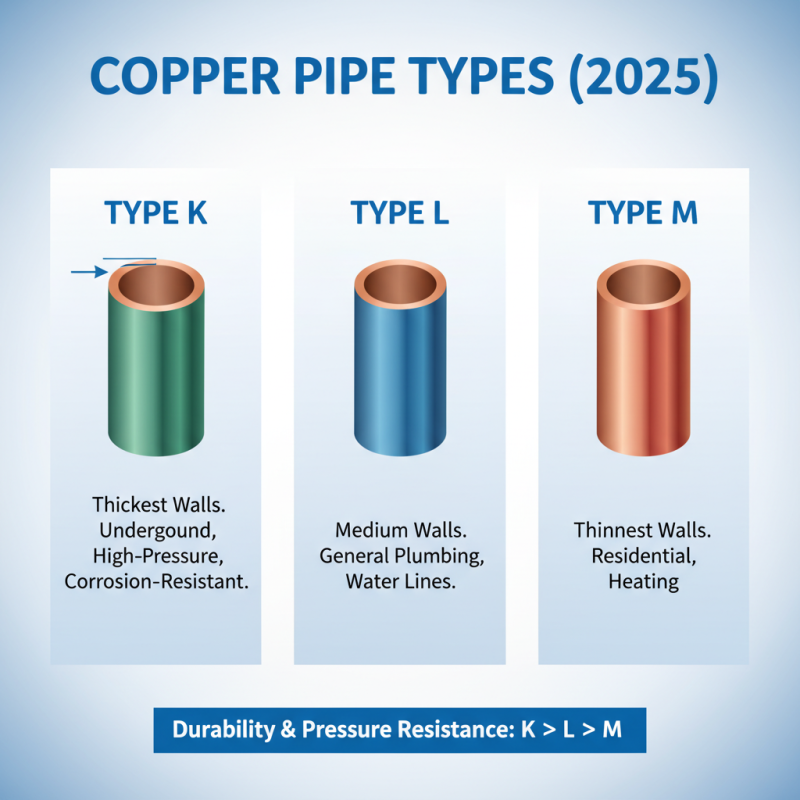
When considering the different types of copper pipes available in 2025, it is essential to understand the main classifications: Type K, Type L, and Type M. Type K copper pipes have the thickest walls among these options, making them ideal for underground installations and applications requiring high durability. Their ability to withstand high pressure and resist corrosion makes them a top choice for plumbing systems that demand longevity and reliability.
Type L copper pipes provide a balance of strength and flexibility, making them suitable for both residential and commercial plumbing applications. With a medium wall thickness, they are often used for water supply lines and are frequently preferred for indoor plumbing due to their strong durability and ease of installation. On the other hand, Type M pipes, with the thinnest walls, are typically used for non-pressurized systems and interior plumbing in low-pressure situations. While they are lighter and more affordable, it's crucial to ensure they meet the requirements of your plumbing needs to prevent potential issues down the line.
Choosing the right type of copper pipe ultimately depends on the specific requirements of your plumbing project. Factors such as the location of installation, the water pressure expected in the system, and budget considerations will all play a critical role in determining the best option among these copper pipe types in 2025. Understanding their distinctive features will empower homeowners and professionals alike to make informed decisions that align with their plumbing goals.
Factors to Consider When Selecting Copper Pipes for Plumbing
When selecting copper pipes for your plumbing needs in 2025, several crucial factors must be considered to ensure both efficiency and durability. First, the thickness of the pipes, measured by the wall gauge, is essential. According to the Copper Development Association (CDA), Type L copper pipes, known for their thicker walls, are ideal for residential plumbing, providing greater resistance to high pressure and temperature fluctuations. In contrast, Type M pipes, which are thinner and lighter, can be suitable for simple applications like water supply lines but may not withstand harsh conditions as effectively.
Next, consider the pipe's diameter, which affects both water flow and pressure. Standard sizes range from ½ inch to 2 inches, but selecting the right diameter hinges on your specific plumbing layout and flow requirements. The Water Research Foundation has noted that an improperly sized pipe may lead to significant inefficiencies, including reduced water pressure and waste.
Tips: Always consult with plumbing professionals to assess your specific requirements before making a purchase. Moreover, it’s beneficial to review local building codes and standards, as they often outline necessary specifications and best practices for plumbing installations. Lastly, ensure that the copper pipes you choose are certified for use in your area to guarantee compliance and safety.
Comparing Soft Copper vs. Rigid Copper Pipes for Home Use
When selecting copper pipes for home plumbing needs, it's essential to understand the differences between soft copper and rigid copper pipes, as each serves unique purposes based on installation and application. Soft copper, typically measured in 3/8-inch to 1-inch diameters, is more flexible, allowing for easy bends and tight spaces. This type is ideal for refrigeration lines and applications where flexibility is crucial. According to a 2022 industry report, soft copper is praised for its corrosion resistance and reliability in varied temperatures, making it a popular choice in dynamic residential systems.
In contrast, rigid copper pipes, which range from 1/2-inch to 2-inch diameters, are known for their strength and durability, making them suitable for water supply and high-pressure systems. Rigid pipes can withstand higher temperatures and pressure levels—rated at around 1,500 psi according to the Copper Development Association. Additionally, installation of rigid pipes requires joint fittings and soldering, which can be more labor-intensive than the straightforward application of soft copper. As residential plumbing trends evolve, understanding these distinctions will assist homeowners in making informed decisions, ensuring the longevity and effectiveness of their plumbing systems.
Comparison of Soft Copper vs. Rigid Copper Pipes for Home Plumbing Needs in 2025
This chart compares the advantages of soft copper and rigid copper pipes based on various factors important for plumbing. The data reflects insights on flexibility, ease of installation, cost, and durability.
Evaluating Cost-Effectiveness of Copper Pipes vs. Alternatives
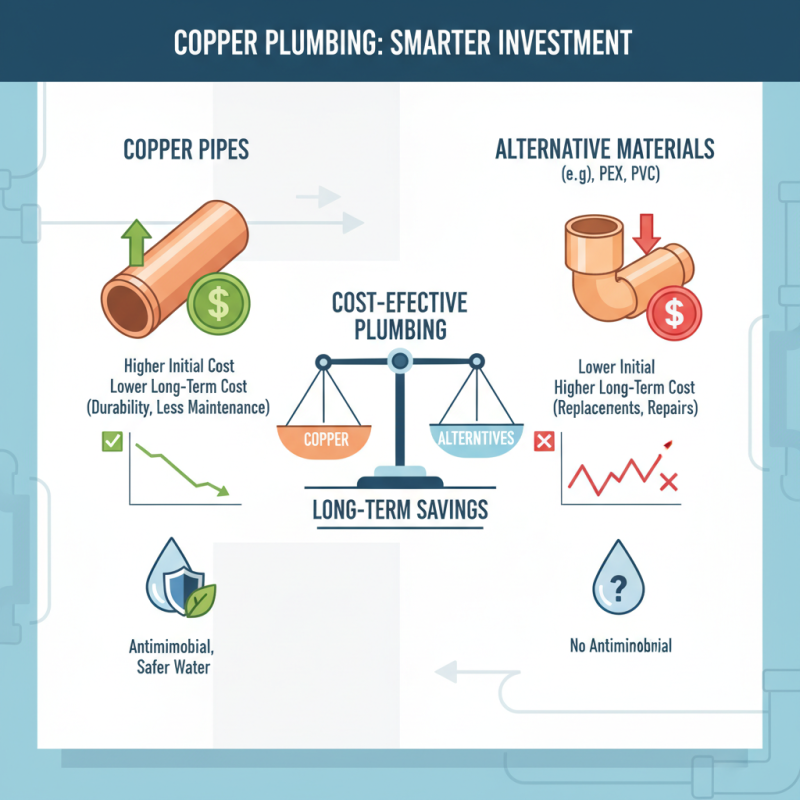
When evaluating the cost-effectiveness of copper pipes compared to alternative plumbing materials, it is essential to consider both the initial investment and the long-term benefits. Copper pipes typically have a higher upfront cost due to their durability and resistance to corrosion. This longevity often translates to lower maintenance and replacement costs over time, which can make them a more economical choice in the long run. Additionally, copper has inherent antimicrobial properties, providing a safer water supply, which is a significant advantage over some plastics.
On the other hand, alternatives such as PVC or PEX can initially seem more budget-friendly. These materials are generally easier to install and may offer flexibility for certain plumbing configurations. However, they can be subject to environmental factors that affect their lifespan, such as temperature changes or exposure to sunlight. Homeowners must weigh these factors against the potential need for replacements or repairs, which may offset the savings realized during installation. Ultimately, the choice of piping material should reflect both immediate needs and future considerations to ensure an optimal balance of cost and functionality.
Installation Tips for Choosing and Using Copper Pipes in Plumbing Projects
When selecting copper pipes for your plumbing projects, it’s essential to consider factors such as pipe thickness, diameter, and type of copper. Two main types of copper pipes are Type K and Type L, with Type K being thicker and often used for underground installation, while Type L is more common for interior plumbing. Understanding your project's specific requirements will help you choose the right type to ensure durability and efficiency.
**Tips for Installation:** Ensure you measure the required lengths of the pipes accurately before cutting. Use a pipe cutter for a clean cut, which will facilitate a better fit during soldering. It’s also crucial to clean the ends of the pipes and fittings to remove oxidation, as this promotes better solder adhesion. When soldering, apply heat evenly and avoid overheating to prevent damage to the pipe.
Additionally, consider the insulation of your copper pipes, especially in colder climates. Proper insulation helps prevent condensation and potential freezing, which can lead to significant plumbing issues. Always keep the installation area clean, and double-check your connections for leaks after installation to be sure everything is secure and functioning correctly.
How to Choose the Right Copper Pipes for Your Plumbing Needs in 2025
| Pipe Diameter (inches) |
Recommended Use |
Typical Lengths Available (feet) |
Wall Thickness (mm) |
Cost per Foot ($) |
| ½ |
Residential Water Supply |
10, 20, 30 |
0.61 |
1.25 |
| ¾ |
Commercial Water Supply |
10, 20, 30 |
0.91 |
1.75 |
| 1 |
Large Residential Systems |
10, 20, 30 |
1.24 |
2.40 |
| 1¼ |
Heavy-Duty Systems |
10, 20, 30 |
1.65 |
3.10 |
| 1½ |
Industrial Systems |
10, 20, 30 |
1.83 |
4.50 |