Top Tips for Choosing the Right Checkered Steel Plate for Your Project
In the construction and manufacturing industries, the importance of choosing the right materials cannot be overstated, and "Checkered Steel Plate" stands out as a vital component in various projects. A recent report by the Steel Industry Association highlights that the demand for checkered steel plates has grown by 15% in the past two years, owing to their unique properties and applications, such as slip resistance and structural strength. This growth reflects an increasing awareness among professionals about the advantages that high-quality checkered steel plates offer.
According to industry expert Dr. Emily Carter, "Selecting the appropriate checkered steel plate is essential not only for enhancing safety but also for improving overall project efficiency." As projects vary in complexity and requirements, understanding the different types of checkered steel plates available—such as those with varying thicknesses, patterns, and finishes—becomes crucial. By making informed decisions based on industry standards and specific project needs, professionals can maximize structural integrity and aesthetic appeal in their applications. Emphasizing best practices in selection processes will ensure that your projects benefit from the full potential this material has to offer.

Understanding Checkered Steel Plates: Types and Applications
Checkered steel plates, also known as diamond plates, are an essential choice for various applications due to their unique surface pattern that enhances traction and reduces the risk of slips. These plates are available in different materials, including carbon steel, aluminum, and stainless steel, each suited for specific environments and loads. Carbon steel plates are often used in industrial settings due to their strength and durability, while aluminum plates are favored for projects that demand lightweight and corrosion resistance, such as in transport and construction applications. Stainless steel checkered plates, on the other hand, are ideal for environments exposed to moisture and chemicals, making them perfect for food processing and marine applications.
When selecting a checkered steel plate, it's crucial to consider the specific requirements of your project, including the load capacity, environmental conditions, and intended use. For instance, the thickness of the plate and the size of the checkered pattern can greatly influence performance. A thicker plate will provide greater strength and durability, while the pattern design can impact traction levels. Analyzing these factors will ensure that you choose the right checkered steel plate that meets the demands of your project and enhances safety and effectiveness in its application.
Key Factors to Consider When Selecting Checkered Steel Plates
When selecting checkered steel plates for your project, it is essential to consider several key factors that can impact both the performance and suitability of the material. One of the primary considerations is the thickness of the plate, which can significantly affect its load-bearing capacity and durability. According to a report from the Steel Construction Institute, a minimum thickness of 3 mm is recommended for most general applications, but heavier-duty requirements may necessitate thicker plates to ensure safety and stability.
Another critical factor is the pattern of the checkering itself. Different patterns provide varying levels of slip resistance, which is vital in environments where safety is a concern, such as industrial floors or stair treads. A study by the American Iron and Steel Institute highlights that certain configurations can increase traction by up to 30% compared to smooth plates. Therefore, evaluating the intended application and the expected foot traffic or equipment movement can guide you towards the most effective checkered pattern.
Finally, the material grade of the steel plate plays a significant role in its performance. Higher-grade steel plates not only offer better tensile strength but also enhanced resistance to corrosion. Research from the International Steel Trade Association suggests that using grade 304 stainless steel checkered plates can provide up to 60% higher corrosion resistance in harsh environments compared to lower-grade options. By focusing on these key factors—thickness, pattern, and material grade—you can make an informed decision that ensures the longevity and effectiveness of your project.
Durability and Maintenance: Choosing the Right Material
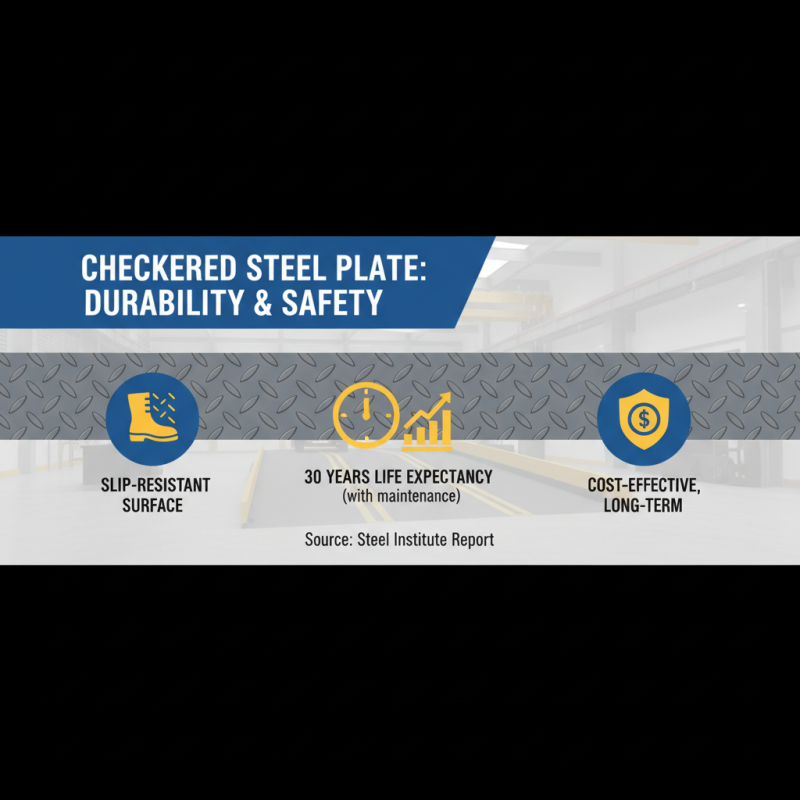
Choosing the right checkered steel plate for a project involves understanding the durability and maintenance needs of the material. Checkered steel plates are often chosen for their slip-resistant surfaces, which enhance safety in various applications, from industrial flooring to vehicle surfaces. According to a report by the Steel Institute, the life expectancy of quality checkered steel plates can reach up to 30 years with proper maintenance, making it a cost-effective choice for long-term projects.
When selecting checkered steel plates, consider the environmental conditions they will face. For instance, harsh weather or exposure to chemicals can significantly affect the longevity of the material. Regular maintenance, such as cleaning the surface to remove debris and applying protective coatings, can greatly extend the plate’s lifespan. It is recommended to conduct periodic inspections to check for signs of corrosion or wear and tear, which can indicate when a maintenance intervention is necessary.
Tip 1: Always choose a thickness that matches the demands of your project. Thicker plates provide better durability but might increase costs. Tip 2: Opt for galvanized surfaces or coatings to protect against corrosion in wet or chemically harsh environments. These simple choices can enhance the performance of your checkered steel plates while keeping maintenance straightforward and effective.
Dimensions and Thickness: Finding the Perfect Fit
When it comes to selecting the right checkered steel plate for your project, dimensions and thickness are crucial factors that greatly influence both the plate's performance and suitability for your specific requirements. Understanding how to measure and assess these parameters can significantly enhance the efficiency and durability of the final product.
Firstly, consider the overall dimensions required for your project. It is essential to accurately measure the space where the steel plate will be used, as well as any specific design requirements. A well-fitted plate can provide stability and support, ensuring that it meets safety standards. Additionally, take into account the pattern and configuration of the checkering, as different designs can affect grip and traction.
Next, thickness plays a pivotal role in the plate's structural integrity. Thicker plates are often necessary for high-stress applications, while lighter tasks may only require thinner options. To determine the appropriate thickness, evaluate the load the plate will bear and any external forces it may encounter. Always prioritize quality and consider the impact of the plate’s thickness on its overall weight and installation process.
In conclusion, pay close attention to both dimensions and thickness to ensure you choose the right checkered steel plate for your project. By doing so, you will not only enhance performance but also extend the longevity of your application.
Top Tips for Choosing the Right Checkered Steel Plate for Your Project
This chart illustrates the ideal dimensions and thickness of checkered steel plates typically used in various applications. The data lists different thickness categories along with their corresponding dimensions.
Cost Considerations and Budgeting for Your Project
When embarking on a project that involves the use of checkered steel plates, understanding cost considerations and budgeting is crucial. Industry professionals often cite that material costs can vary significantly based on factors such as plate thickness, surface treatment, and the specific grade of steel used. For instance, according to a report by the Steel Market Update, the average price of hot-rolled steel plates has fluctuated between $600 to $800 per ton over the past year, reflecting changes in global demand and supply chain conditions. Therefore, it’s essential to assess not only the initial cost of materials but also how these costs align with the overall budget of the project.
In addition to material costs, other financial aspects must be factored in, such as shipping and handling, as well as labor associated with installation. Data from IBISWorld indicates that labor costs in the construction sector have seen an increase of approximately 5% over the last year due to a tightening labor market. This rise can significantly impact the total expense of projects that incorporate checkered steel plates. Planning for potential cost overruns by allocating a contingency budget can help mitigate financial risks. Overall, a detailed understanding of both direct material costs and ancillary expenses is vital for successful budgeting in any project involving checkered steel plates.
Top Tips for Choosing the Right Checkered Steel Plate for Your Project - Cost Considerations and Budgeting for Your Project
| Dimension (mm) |
Thickness (mm) |
Weight (kg/m²) |
Cost ($/m²) |
Application |
| 1000 x 2000 |
3 |
24 |
50 |
Flooring |
| 1250 x 2500 |
4 |
30 |
60 |
Transportation |
| 1500 x 3000 |
5 |
36 |
75 |
Industrial Use |
| 2000 x 4000 |
6 |
42 |
90 |
Construction |