Why is Cold Rolled Steel Preferred in Modern Manufacturing?
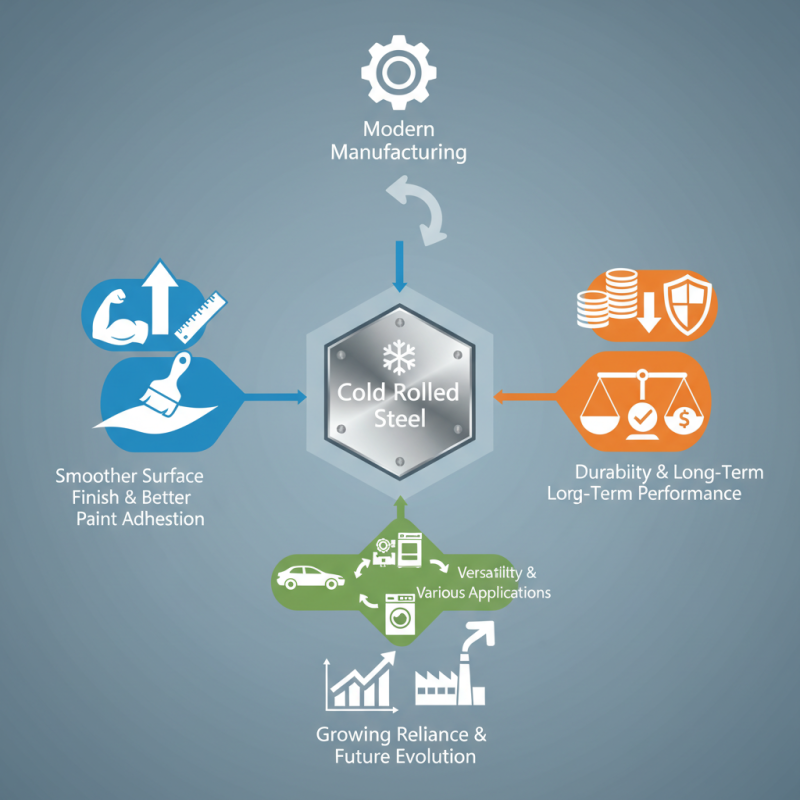
Cold Rolled Steel has become a staple in modern manufacturing. Its popularity stems from several benefits that make it a top choice. Manufacturers appreciate its strength and precise dimensions. This type of steel offers a smoother surface finish, which enhances aesthetic appeal. The smooth texture provides better paint adhesion and overall appearance.
One notable advantage is its versatility. Cold Rolled Steel can be employed in various applications. It is used in automotive parts, appliances, and industrial machines. However, the production process requires careful handling. This may lead to higher costs compared to other steel types. Despite this, the demand remains high due to its mechanical properties.
Manufacturers often find themselves balancing cost and quality. While Cold Rolled Steel may be pricier, its durability often justifies the expense. The long-term performance can outweigh initial investments. Achieving the right material choice is essential for success. As industries evolve, the reliance on Cold Rolled Steel appears poised to grow further.
Understanding Cold Rolled Steel and Its Manufacturing Process
Cold rolled steel is a popular choice in modern manufacturing due to its versatility and strength. The manufacturing process begins with hot rolled steel. This steel is cooled at room temperature, and then passed through rollers at room temperature. This method refines the steel, improving its dimensions and surface finish.
The cold rolling process can create products with tighter tolerances. This is crucial for parts that must fit precisely. However, achieving high accuracy is not always easy. Sometimes, defects like surface cracks or dimensional inconsistencies can occur. Manufacturers need to be vigilant about quality control. They must frequently inspect the material to avoid these common issues.
Cold rolled steel also allows for various surface finishes. These can range from smooth to textured, depending on requirements. This flexibility is beneficial for various applications, from automotive components to appliance parts. Yet, the process requires skilled labor and sophisticated machinery. Not all facilities can meet these standards. Thus, purchasing cold rolled steel can be a bit of a gamble. Manufacturers must weigh the pros and cons carefully before making a decision.
Why is Cold Rolled Steel Preferred in Modern Manufacturing? - Understanding Cold Rolled Steel and Its Manufacturing Process
| Property |
Description |
Advantages |
Applications |
| Surface Finish |
Smooth and polished surface |
Enhanced aesthetic appeal |
Automotive parts, appliances |
| Dimensional Accuracy |
Tighter tolerances on dimensions |
Reduced need for further processing |
Precision machinery, metal fabrication |
| Mechanical Properties |
Higher strength and hardness |
Improved load-bearing capacity |
Structural components, infrastructure |
| Formability |
Easily shaped into various forms |
Versatile for manufacturing processes |
Furniture, packaging |
| Cost |
Generally lower manufacturing costs |
Cost-effective for mass production |
Consumer goods, construction |
Key Advantages of Cold Rolled Steel Over Other Steel Types
Cold rolled steel is widely favored in modern manufacturing for several compelling reasons. One of the standout advantages is its superior surface finish. The rolling process compresses the metal, resulting in a smooth and polished appearance. This quality is important for products that require both functionality and aesthetic appeal.
Another key benefit is the enhanced strength. Cold rolled steel has a higher yield strength compared to hot rolled steel. This means it can withstand greater loads without deforming. This characteristic is crucial for structural applications that demand durability.
**Tip:** Consider the final application when choosing any steel type. The surface finish may matter more than you think for certain products.
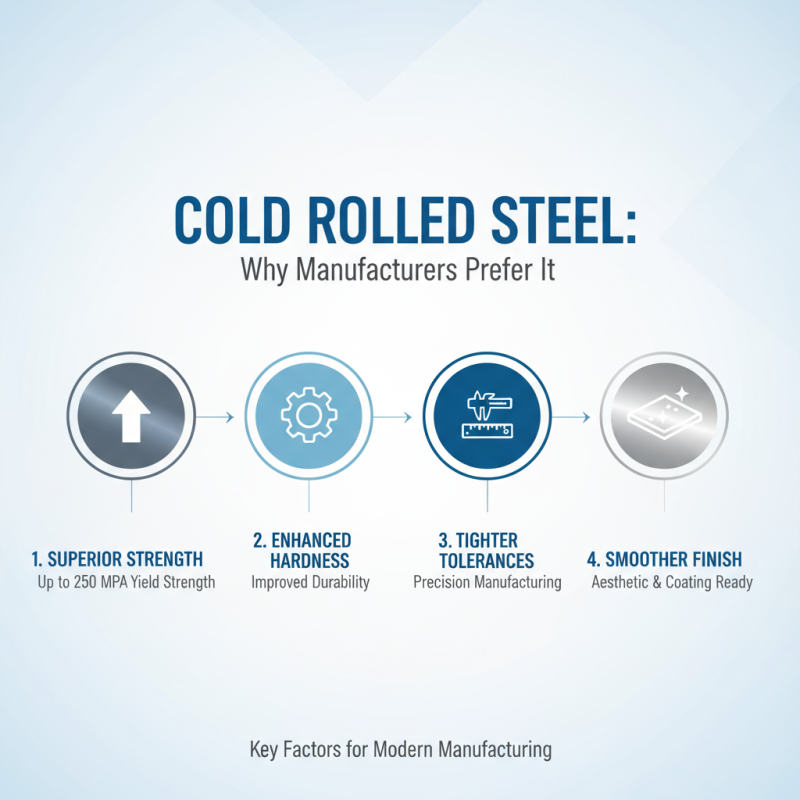
Additionally, cold rolled steel offers improved dimensional accuracy. The precise measurements make it easier to create components that must fit together neatly. However, it’s essential to note that working with cold rolled steel can be more challenging. The increased hardness can lead to more tool wear and require more effort during machining.
**Tip:** Always assess your machining tools when using cold rolled steel. The right tools will save time and resources.
In conclusion, while cold rolled steel presents clear advantages, careful planning and execution are vital in the manufacturing process. It can be a double-edged sword if not handled properly. Think through your choices and processes for the best outcomes.
Applications of Cold Rolled Steel in Modern Industries
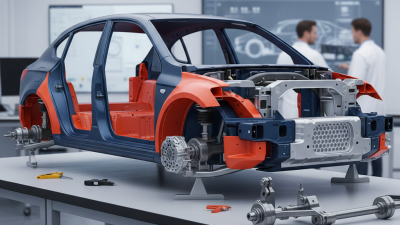
Cold rolled steel is widely used in various industries today. Its smooth finish and precise dimensions make it ideal for many applications. In automotive manufacturing, parts like frames and body panels rely on cold rolled steel. This material’s high strength-to-weight ratio contributes to vehicle efficiency and safety.
In the construction sector, cold rolled steel serves in making structural components. Steel studs, for instance, are lightweight and easy to assemble. However, they also require careful handling to avoid bending or damage during installation. Fabricators appreciate the uniformity of cold rolled steel, but they must stay vigilant about quality control. In appliances, it’s used for parts like casings and shelving. While it offers durability, surface finish can be a challenge depending on the manufacturing process.
The versatility of cold rolled steel is evident in its use for furniture as well. Its sleek appearance allows for modern designs and robust applications. Yet, some manufacturers face difficulties in sourcing quality materials. They must balance cost and performance. Despite its advantages, cold rolled steel can rust if improperly treated. Maintenance is vital to ensure longevity in various applications.
Applications of Cold Rolled Steel in Modern Industries
Factors Influencing the Preference for Cold Rolled Steel
Cold rolled steel is increasingly favored in modern manufacturing due to several key factors. One major reason is its superior mechanical properties. Cold rolled steel exhibits enhanced strength and hardness compared to hot rolled steel. According to industry reports, cold rolled products can achieve yield strengths of up to 250 MPa, making them ideal for high-stress applications. This strength translates into better performance and longevity in various products.
Another factor influencing this preference is surface finish. Cold rolled steel has a smoother, more refined surface. This quality is essential in industries where aesthetics and precision matter. A report by the American Institute of Steel Construction highlights that a better surface quality reduces the need for further processing. This not only saves time but also cuts costs. However, attention is needed, as even slight imperfections can compromise future treatments or coatings.
Cost-effectiveness also plays a vital role. While cold rolled steel often has a higher initial cost, the overall savings through durability and reduced maintenance can outweigh this. Manufacturers must carefully weigh these factors and consider specific applications. Despite its benefits, cold rolled steel is not without challenges. Issues like warp can occur if not handled properly. Thus, manufacturers must approach cold rolling with precision and understanding.
Challenges and Limitations of Using Cold Rolled Steel in Manufacturing
Cold rolled steel is widely used in manufacturing due to its strength and surface finish. However, there are challenges that must be considered. The production process involves significant work hardening, which can lead to issues like brittleness. This can cause unexpected failures in certain applications.
Another limitation is the susceptibility to rust and corrosion. Cold rolled steel requires protective coatings or surface treatments to prevent oxidation. Without proper treatment, the lifespan of the product can be considerably reduced.
**Tips**: When working with cold rolled steel, always test for stress points. Understand that processing conditions can affect the final product quality. Consider using corrosion-resistant coatings to enhance durability. Balancing these factors can be tricky, but it's essential for achieving optimal results.