Essential Tips for Choosing Cold Drawn Steel Pipe?
Choosing the right Cold Drawn Steel Pipe can greatly impact various industries, especially in construction and manufacturing. According to industry reports, the global cold drawn steel pipe market is expected to grow at a CAGR of 5.1% between 2021 and 2027. This growth highlights the increasing demand for strong and durable steel solutions in various applications.
When selecting a Cold Drawn Steel Pipe, it is essential to consider factors such as size, wall thickness, and material properties. Various standards exist, and ensuring compliance can be overwhelming. The wrong choice can lead to performance issues. Additionally, quality control in production processes is crucial. Inadequate quality might result in unexpected failures.
Many buyers overlook specific details that could lead to complications. For example, not all pipes undergo the same rigorous testing. This oversight could significantly affect project outcomes. Understanding your project’s requirements and the specifications of the Cold Drawn Steel Pipe is vital to avoid costly mistakes and improve overall efficiency.
Understanding Cold Drawn Steel Pipe and Its Applications
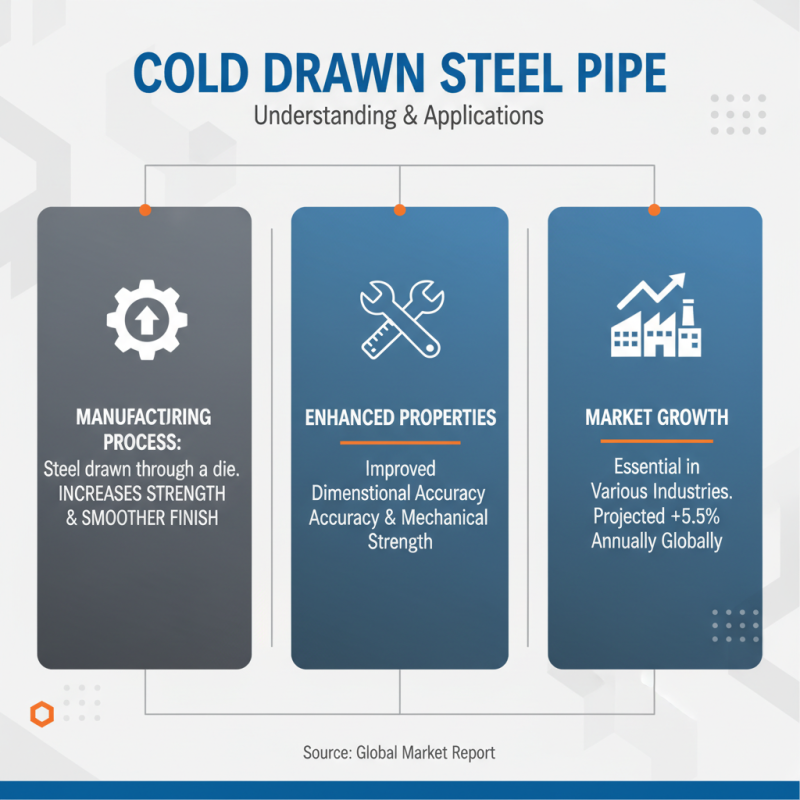
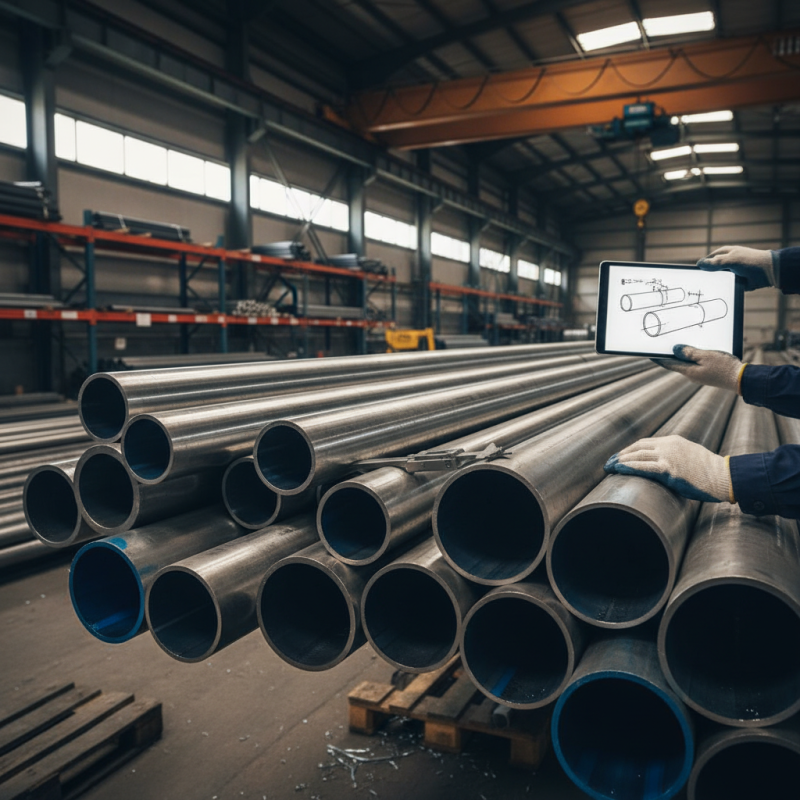
Cold drawn steel pipes are crucial in various industries. They are manufactured by drawing steel through a die, resulting in increased strength and better surface finish. This process enhances the material's dimensional accuracy and mechanical properties. The global cold drawn steel pipe market is projected to grow by 5.5% annually, reflecting their importance.
Applications of cold drawn steel pipes are diverse. They are commonly used in automotive, construction, and machinery sectors. In the automotive industry, for instance, these pipes contribute to improved fuel efficiency and safety. A study reported that around 30% of weight reduction in vehicles comes from advanced materials like cold drawn steel. However, sustainability remains a concern. Industries must evaluate the lifecycle impact of production methods and focus on recycling initiatives.
Choosing the right cold drawn steel pipes involves understanding their specifications. Factors like yield strength, tensile strength, and ductility are paramount. A report highlighted that 70% of failures in steel components stem from improper material selection. Therefore, it’s vital to analyze not just the cost but also performance metrics. Balancing economic factors with quality can be challenging but necessary for long-term success.
Key Factors to Consider When Selecting Cold Drawn Steel Pipe
When selecting cold drawn steel pipe, several key factors come into play. Understanding these factors can make a significant difference in your project’s success. First, consider the pipe's size and thickness. According to recent industry reports, pipes ranging from 1 inch to 10 inches in diameter are common in production. However, the wall thickness can vary widely, affecting both strength and weight.
Next, pay attention to the material specifications. Cold drawn steel pipes are usually made from carbon steel, with mechanical properties varying between grades. The American Society for Testing and Materials (ASTM) outlines various standards, which can guide your choice. It’s critical to ensure the selected pipes meet the necessary standards for your industry, whether for construction or manufacturing.
Durability is another vital aspect to reflect upon. Cold drawn steel pipes have high tensile strength but can be vulnerable to corrosion if not properly treated. Regular maintenance is essential to prolong their lifespan. Data indicates that untreated pipes can deteriorate by 5-10% annually in harsh environments. Always weigh the costs of treatment versus potential losses from corrosion. Your selection should reflect a balance between immediate needs and long-term reliability.
Material Properties and Quality Standards for Cold Drawn Steel Pipe
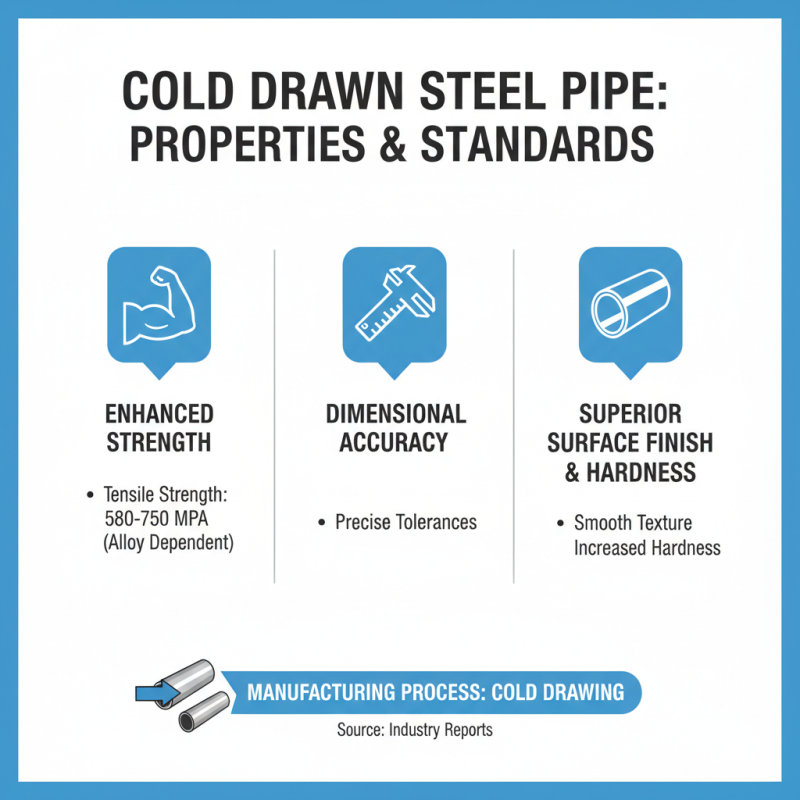
When selecting cold drawn steel pipes, understanding material properties is crucial. Cold drawn steel pipes have enhanced strength and dimensional accuracy due to their manufacturing process. Industry reports indicate that these pipes exhibit a tensile strength ranging from 580 to 750 MPa, depending on the alloy used. Additionally, cold drawn pipes possess excellent surface finish and improved hardness.
Quality standards are essential for ensuring the durability of these pipes. The ASTM A513 specification outlines the requirements for steel tubing, largely used in structural applications. Adhering to these standards prevents issues like deformation and corrosion.
**Tip:** Always inspect the certification of the steel pipe to confirm it meets industry requirements.
Another consideration is the pipe's compatibility with your needs. Not all cold drawn steel is created equal. While some may meet strength requirements, they may not withstand specific corrosive environments. Research shows that improper selection can lead to performance failures in over 20% of projects in similar applications.
**Tip:** Evaluate long-term performance, not just initial cost. Seek expert input if necessary.
Common Manufacturing Processes for Cold Drawn Steel Pipe
When it comes to cold drawn steel pipe, the manufacturing process is crucial. This process typically starts with the selection of high-quality raw materials. The initial step involves heating steel billets in a furnace, making it easier to shape. This is where the transformation begins.
After heating, the material is subjected to extrusion or piercing. This step creates a hollow section in the steel, leading to the formation of pipes. Following this, the pipe undergoes a cold drawing process. The steel is pulled through a die, reducing its diameter and increasing its length. This not only improves dimensional accuracy but also enhances the mechanical properties of the steel.
One must consider the potential imperfections in the process. Variations in temperature or pressure can lead to inconsistencies in the final product. Additionally, quality control becomes essential to ensure the pipes meet industry standards. Engaging in these processes requires careful monitoring and adjustment to avoid defects. Striving for perfection in manufacturing is essential but not easily achieved.
Cost Considerations and Budgeting for Cold Drawn Steel Pipe Acquisition
When budgeting for cold drawn steel pipe acquisition, having a clear cost strategy is crucial. Prices can vary greatly based on specifications like size and type. Understanding your project’s requirements can help you avoid overspending. For instance, knowing the exact dimensions and strength needed can prevent unnecessary purchases.
Consider multiple suppliers. Compare quotes and terms, but don’t just focus on price. Look into delivery fees and minimum order sizes. Some suppliers may offer competitive pricing but lack reliable service. This can lead to delays and increased costs down the line.
Tip: Establish a flexible budget. Allow for fluctuations in material costs. Prices can change due to market demand. Allocate a portion of your budget for unexpected expenses. This can create a safety net in case of rising prices.
Finally, factor in long-term costs. Maintenance and potential rework can add to total expenses. Sometimes, cheaper options can lead to higher costs in the future. Reflecting on this can guide more informed choices.
Cost Considerations for Cold Drawn Steel Pipe Acquisition