10 Essential Tips for Choosing Construction Steel Rebar for Your Projects?
Choosing the right construction steel rebar is crucial for building strong and durable structures. According to the American Concrete Institute, rebar accounts for approximately 70% of a concrete structure’s tensile strength. This emphasizes the importance of selecting high-quality materials. It’s not just about strength; a wrong choice can lead to cracks and structural failure.
In recent years, the demand for construction steel rebar has increased. The global market is projected to expand at a CAGR of 6.4% from 2021 to 2028. This growth indicates that more projects require reliable rebar solutions. However, there is a wide variety available, leading to potential confusion. Factors such as material grade, coating type, and diameter must be reflected upon carefully.
Rebar can degrade over time, mainly if not properly specified for environmental conditions. The right construction steel rebar can prevent costly repairs later. Inadequate choices might lead to safety issues. Thus, construction professionals must prioritize quality, ensuring long-lasting performance in their projects. This journey toward the best rebar selection begins with understanding essential tips.
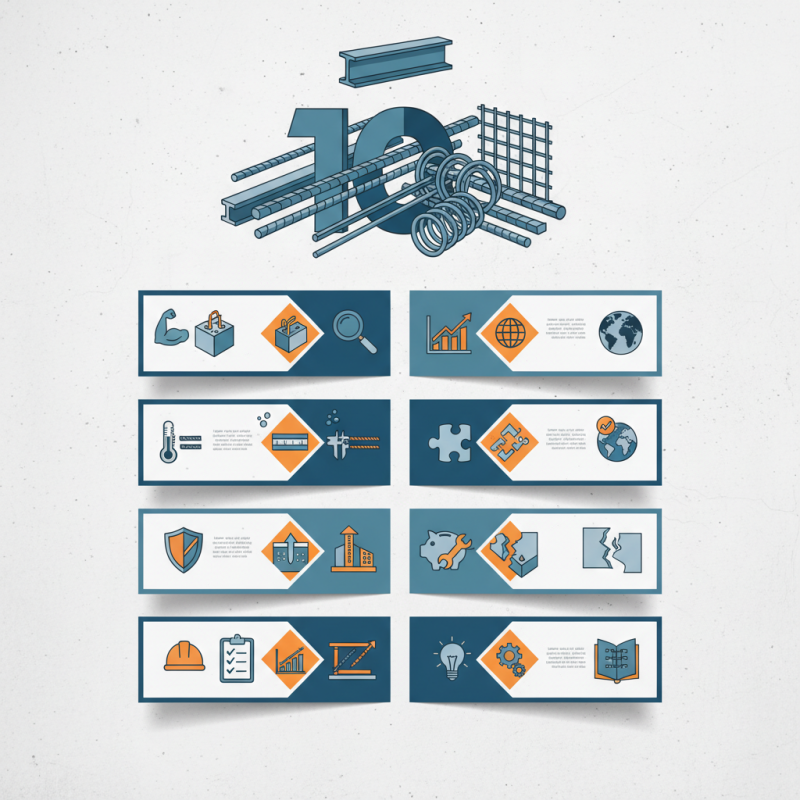
Understanding the Different Types of Construction Steel Rebar Available
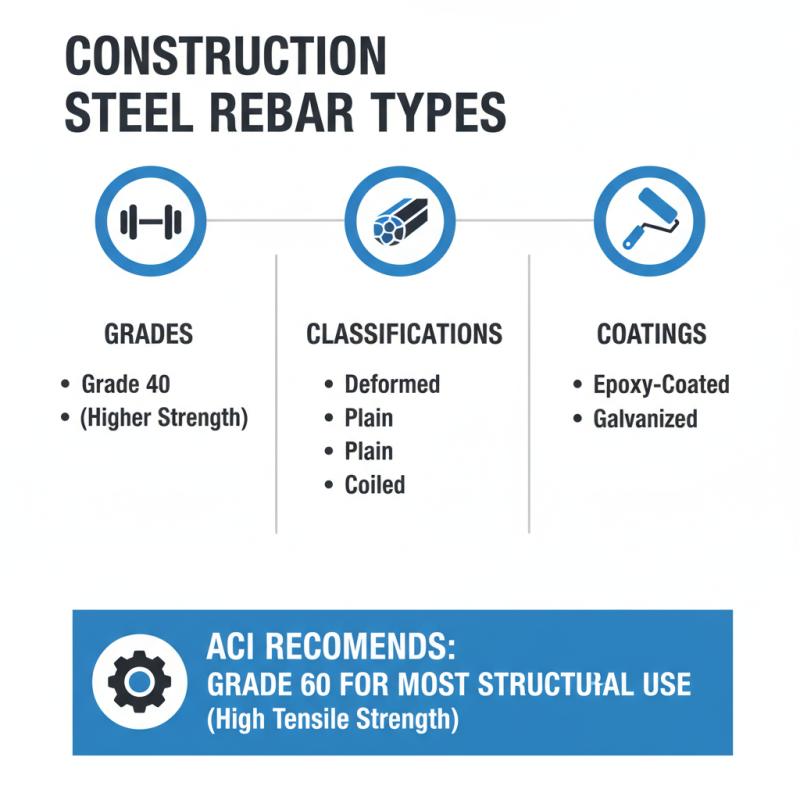
When selecting construction steel rebar, understanding its various types is crucial. Reinforcing bars come in different grades, classifications, and coatings. Common grades include Grade 40 and Grade 60, which indicate strength levels. According to the American Concrete Institute, Grade 60 is preferred for most structural applications due to its high tensile strength.
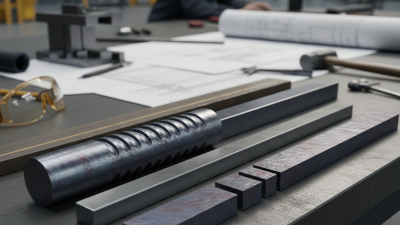
Another aspect to consider is the surface characteristics of rebar. Deformed bars feature surface ridges that enhance grip with concrete. In contrast, smooth bars are sometimes used for non-structural purposes. A recent report from the International Association of Structural Engineers emphasized that using the correct rebar type could reduce structural failure rates by up to 30%.
Corrosion resistance is also vital. Epoxy-coated rebar offers improved resistance to environmental damage. However, some experts argue that availability and cost can make it less practical for certain projects. Not all rebar is created equal, and that's where misconceptions can lead to mistakes. Assessing your project's specific needs is essential to prevent costly errors. Each type of rebar has its own pros and cons, making careful selection necessary.
Key Factors to Consider When Selecting Rebar for Your Specific Project
Selecting the right construction steel rebar is crucial for the integrity of a project. Factors such as load requirements, environmental conditions, and intended lifespan play a pivotal role. A thorough understanding of these factors ensures that the rebar will withstand the stresses of your specific project.
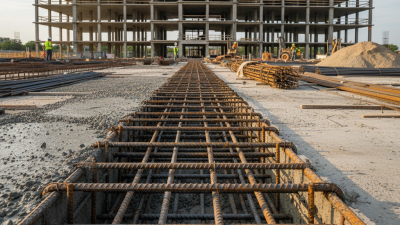
For instance, consider the type of construction. A high-rise building requires a different grade of rebar compared to a small residential project. The rebar must accommodate various loads, including weight from the structure itself and external forces like wind or seismic activity. It's essential to consult with structural engineers when addressing these variables.
Also, think about corrosion resistance. Projects located in coastal areas may need rebar with superior resistance to rust. This consideration is often overlooked, yet it can lead to significant long-term issues. Ultimately, choosing the right rebar is a balance of many factors, and taking the time to evaluate each one can make a noticeable difference.
Construction Steel Rebar Selection Factors
This chart illustrates key factors to consider when selecting construction steel rebar for your projects, including diameter, yield strength, cost per ton, corrosion resistance, and ductility. Proper evaluation of these parameters ensures optimal performance and cost-effectiveness in construction.
Evaluating Rebar Quality: Certifications and Standards to Look For
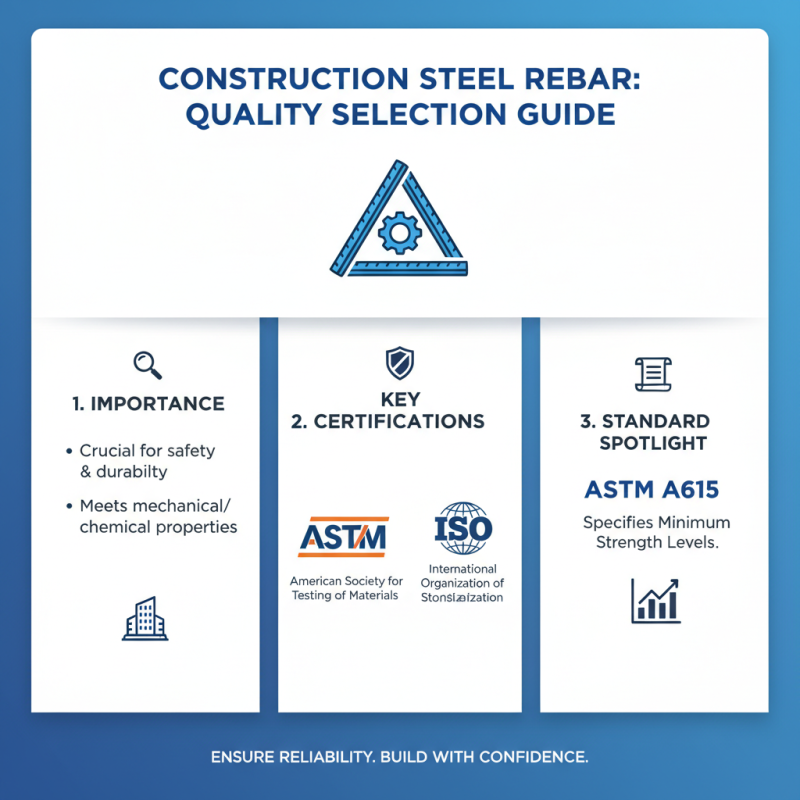
When selecting construction steel rebar, assessing its quality is crucial. Look for certifications such as ASTM (American Society for Testing and Materials) and ISO (International Organization for Standardization). These standards ensure that the rebar meets the required mechanical and chemical properties. For instance, ASTM A615 specifies minimum strength levels.
Tip: Always check for a certification mark on the rebar. This symbol indicates compliance with industry standards. Rebar without certification may not guarantee quality. Industry reports state that using non-compliant rebar can increase project failure rates by 30%.
Understanding the grades of rebar is also essential. Grades determine the tensile strength, which affects structural integrity. For instance, Grade 60 rebar has a yield strength of 60,000 psi. If the rebar fails to meet these grades, it can compromise the project.
Tip: Calculate the required grade based on your project's load-bearing needs. This ensures your structures withstand forces as anticipated. But remember, rebar that exceeds project requirements can unnecessarily increase costs. Balancing quality with project demands is key.
Cost Analysis: Budgeting for Steel Rebar in Construction Projects
When planning a construction project, budgeting for steel rebar often takes center stage. The cost of rebar can vary significantly based on market conditions. Conducting a thorough cost analysis helps prevent budget overruns. Consider the local steel prices and any potential fluctuations. This allows for setting a realistic budget for your project.
Selecting the right rebar is equally important. Look for quality options that fit your needs. Different grades and types of rebar exist. Understanding their properties ensures durability. Keep in mind that cheaper options may lead to higher long-term costs. Investing in quality rebar can save money on repairs later.
Always factor in transportation and installation costs. These can add up quickly and strain your budget. Make sure to account for labor as well. Skilled workers may charge more, but their expertise can enhance quality. Balancing cost and quality is critical in the construction industry. Reflect on your choices to ensure they align with project goals.
Best Practices for Sourcing and Storing Construction Steel Rebar
When sourcing construction steel rebar, selecting quality material is crucial. Check material certifications to ensure compliance with industry standards. Some may confuse terms, leading to poor purchases. Avoid that trap. Practicality matters.
Consider storage methods after purchasing. Keep rebar off the ground to prevent rust and damage. Use pallets or racks. Covering with tarps can help reduce exposure to moisture. Understand that improper storage can degrade quality. That could lead to project delays later on.
Always assess your supplier's reliability. Are they consistent with delivery times? Do they provide what they promise? Inconsistent suppliers can disrupt timelines and inflate costs. Easy access to material is essential for smooth workflow. Make these considerations a priority.