10 Essential Tips for Working with Brass Pipe?
Brass pipe is a popular choice in plumbing, HVAC, and various industrial applications. Its strength and resistance to corrosion make it ideal for many projects. According to a report by the Pipe Fittings Association, over 35% of construction uses brass pipes due to their durability and flexibility. Yet, working with brass pipe requires skill and knowledge.
One common challenge is handling the weight. Brass pipes can be heavy, leading to potential safety hazards during installation. Additionally, improper cutting can result in jagged edges, which may cause leaks. The American Society of Mechanical Engineers notes that 10% of plumbing failures stem from poor installation practices.
Adopting best practices is crucial. Understanding the tools and techniques specific to brass pipes can enhance project outcomes. For instance, choosing the right solder and fittings can prevent future complications. Many professionals emphasize the importance of proper training. The benefits of refining skills extend beyond the immediate task. Investing in knowledge around brass pipe work saves time and resources. Balancing expertise with practical experience can lead to a successful working relationship with this versatile material.
Choosing the Right Type of Brass Pipe for Your Project
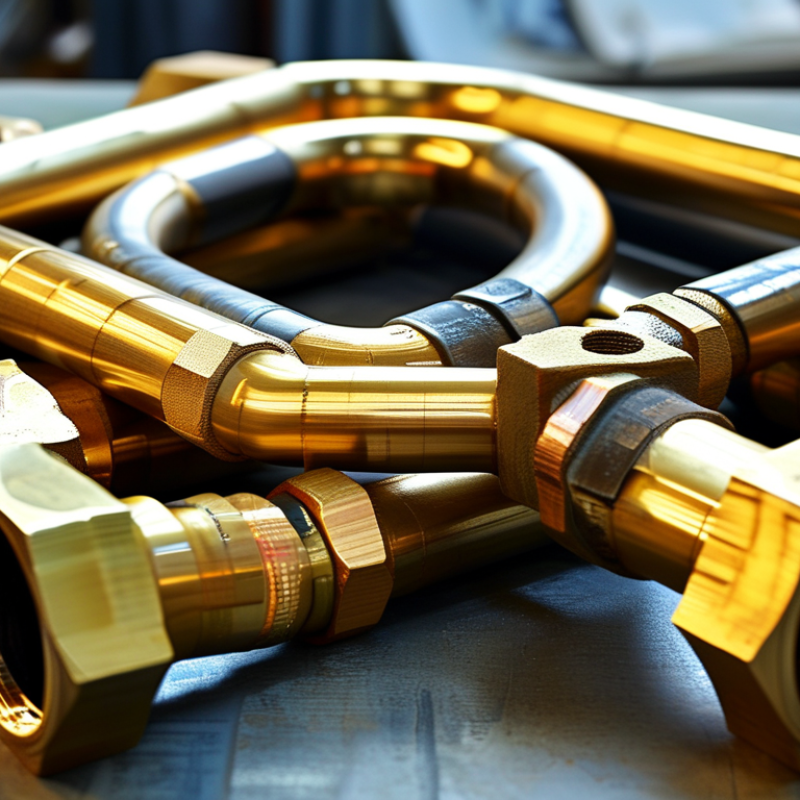
Choosing the right type of brass pipe for your project is crucial. Brass pipes come in different grades and types, each suited for specific applications. Understanding these differences allows for better decision-making. For instance, some brass pipes offer excellent corrosion resistance, making them ideal for plumbing. Others may not hold up as well under certain conditions.
When selecting brass pipes, consider their intended use. How much pressure will the pipes endure? This question influences your choice. Not all brass alloys are created equal. Some have higher tensile strength, while others might be more malleable. It’s essential to check specifications when planning your project. What works for one scenario may not work for another.
Another aspect is compatibility with fittings and existing systems. Mismatched materials can lead to leaks. Always assess these factors before making a purchase. Gathering information and consulting experts can help clarify your options. Don’t forget that often neglected details can have significant impacts. Small choices today can lead to bigger problems later on.
10 Essential Tips for Working with Brass Pipe
This chart displays the importance of each tip when working with brass pipe, rated from 1 to 10 based on common feedback from professionals in the field.
Essential Tools and Materials Needed for Working with Brass Pipe
When working with brass pipe, having the right tools and materials is crucial. Essential items include a pipe cutter, deburring tool, and a wrench. A good pipe cutter ensures clean cuts, important for a tight fit. Use a deburring tool to smooth edges. A smooth edge prevents leaks and makes your job easier.
Consider using a pipe fitting compound for a watertight seal. This helps prevent any future leaks. When joining pipes, make sure to apply the compound evenly. It’s easy to overdo it. Less is often more when aiming for a secure connection. A leak-free setup starts with proper preparation.
Watch out for common mistakes. A dirty surface can lead to ineffective joints. Always clean your brass pipe before installing it. Additionally, be cautious with the pressure applied when tightening fittings. Too much force can cause damage. Taking your time to address these details leads to better results.
10 Essential Tips for Working with Brass Pipe
| Tip |
Description |
Essential Tools |
Safety Gear |
| 1. Use the Right Tools |
Ensure you have the specific tools designed for brass pipe work. |
Pipe cutter, wrench |
Safety goggles |
| 2. Clean the Pipe Ends |
Deburr and clean the ends of the pipes to ensure a proper fit. |
Deburring tool, cloth |
Gloves |
| 3. Use Proper Fittings |
Select the right fittings compatible with brass pipes. |
Adjustable wrench |
Dust mask |
| 4. Heat for Tight Fits |
If pipes are difficult to fit, apply heat to expand metal. |
Propane torch |
Heat-resistant gloves |
| 5. Avoid Over-tightening |
Over-tightening can damage the fittings or pipes. |
Torque wrench |
None |
| 6. Seal Joints Properly |
Use appropriate sealants or Teflon tape for leak prevention. |
Tape dispenser |
None |
| 7. Test for Leaks |
Always test joints and pipes for leaks once installed. |
Water source |
None |
| 8. Store Properly |
Keep brass pipes stored in a dry location to prevent tarnish. |
Storage racks |
None |
| 9. Regular Maintenance |
Check fittings and pipes regularly for signs of wear. |
Inspection tools |
None |
| 10. Know Your Limits |
If unsure, consult a professional to prevent mistakes. |
N/A |
N/A |
Step-by-Step Guide to Cutting and Fitting Brass Pipe
Cutting and fitting brass pipe requires precision and care. Start by measuring the length you need. Use a fine-toothed saw for an accurate cut. Ensure you mark your measurements clearly. Small mistakes in cutting can lead to leaks and wasted materials.
When fitting brass pipes, dry fit the pieces together first. This allows you to spot any misalignments before sealing. Apply joint compound generously when you are ready to finalize the connection. Use a wrench to tighten fittings, but be careful not to over-tighten. This can cause damage.
Remember, working with brass requires practice. Don’t rush the process. Distractions can lead to errors. Always double-check your work before moving forward. A clean workspace is essential for focus. Keep your tools organized to avoid unnecessary delays. Each step you take enhances your accuracy and skills.
Techniques for Soldering and Joining Brass Pipes Effectively
Soldering brass pipes requires precision and the right techniques for effective joining. Brass is a popular choice due to its corrosion resistance and aesthetic appeal, accounting for about 10% of all metal piping used worldwide. When working with brass, ensuring the surfaces are clean and free from oxidation is crucial. A clean joint can reduce leakage risk and improve structural integrity.
Tip: Use a brass brush to clean the pipe ends. This will prepare the surface for optimal solder bonding.
For effective soldering, maintaining the correct temperature is essential. The ideal soldering temperature for brass is between 350°F and 500°F. Exceeding this range can weaken the joint or cause damage. Using a soldering torch rather than a conventional iron provides better temperature control.
Tip: Test the torch on scrap material first. This helps prevent mistakes on your actual workpiece.
After applying solder, avoid moving the joint until it fully cools. This allows the solder to set effectively, ensuring a strong bond. It's worth noting that improper technique can lead to weak or leaky joints, creating increased costs for repairs—up to 20% of plumbing-related expenses are due to leaks. Understanding the nuances of brass soldering can lead to enhanced performance and longevity in plumbing systems.
Maintenance Tips to Extend the Life of Brass Pipe Installations
Brass pipes are popular for their durability and resistance to corrosion. However, they require proper maintenance to maximize their lifespan. Regular inspection of joints and fittings is essential. Signs of wear or leaks can indicate the need for immediate repairs. An industry report from the Plumbing Industry Association highlights that timely maintenance can extend the life of brass installations by up to 30%.
Cleaning brass pipes is also crucial. Use mild soap and water to remove buildup. Avoid harsh chemicals that can cause erosion. A study shows that corrosive substances can reduce the lifespan of brass pipes by more than 20%. Regularly check and replace seals and gaskets to maintain tight connections. This preventive measure can help avoid costly replacements and repairs.
Temperature changes can affect brass pipes. Extreme heat or cold may cause expansion or contraction. This can lead to structural weaknesses over time. It's advisable to monitor the environmental conditions around installations. Many experts suggest insulating pipes in areas exposed to temperature fluctuations. This simple step can significantly improve long-term durability. Addressing these factors diligently can promote a longer-lasting and effective plumbing system.