What is Galvanized Steel Pipe and Why is it Important?
Galvanized Steel Pipe is an essential material in construction and industrial applications. It is made by coating steel with a layer of zinc to prevent rusting. This process enhances its durability and lifespan. The importance of Galvanized Steel Pipe cannot be overstated, as it is widely used in plumbing, scaffolding, and fencing.
Understanding its properties helps in making informed choices. For instance, it offers resistance to corrosion, which is vital in harsh environments. Many industries rely on Galvanized Steel Pipe for safe and efficient operations. However, it's crucial to consider its limitations, such as the potential for zinc to wear off over time. Regular inspection can help address these issues.
As the demand for durable and reliable materials rises, Galvanized Steel Pipe remains a top choice. Its blend of affordability and longevity makes it appealing. By examining its advantages and shortcomings, one can appreciate its role in modern infrastructure.
What is Galvanized Steel Pipe?
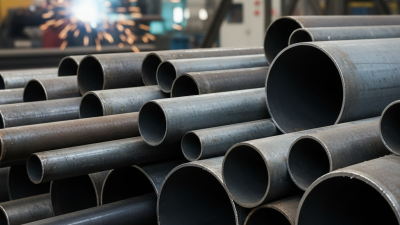
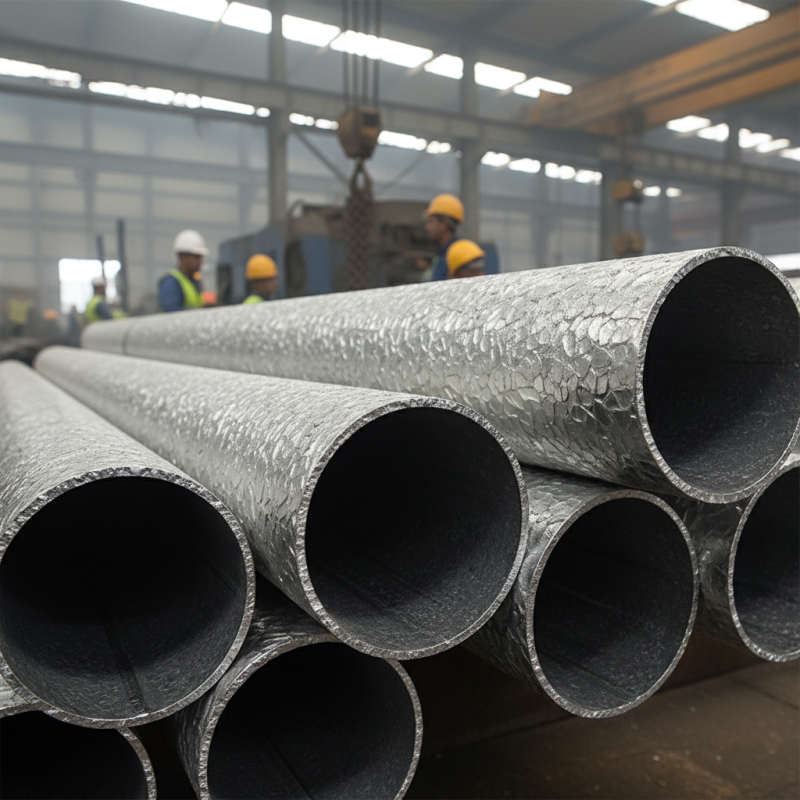
Galvanized steel pipe is a type of steel pipe coated with a layer of zinc. This coating protects the steel from corrosion and rust. The galvanization process involves hot-dipping or electroplating the pipe with zinc. This method enhances the pipe's durability and lifespan. It also makes the pipe suitable for various environments.
The importance of galvanized steel pipe lies in its versatility. It is widely used in construction, plumbing, and industrial applications. For example, in plumbing, it prevents water contamination. Its protective layer withstands harsh weather conditions. However, galvanized steel does have some drawbacks. Over time, the zinc can wear off, exposing the steel to rust. Proper installation and maintenance are vital. Users must be aware of the pipe's limitations and plan accordingly.
Galvanized Steel Pipe Usage in Construction Applications
The Process of Galvanization: Steps and Techniques
Galvanization is a key process that enhances the durability of steel pipes. This process involves coating steel with a layer of zinc. The zinc provides a protective barrier against corrosion. It is essential for steel used in outdoor or harsh environments.
The process begins with cleaning the steel surface. This step removes any contaminants like oil or rust. Next, the steel is immersed in molten zinc. This immersion allows the zinc to bond firmly to the steel. After coating, the pipe is cooled, solidifying the protective layer. This method ensures that the zinc covers every nook and cranny, preventing corrosion effectively.
While galvanization has many advantages, it is not without challenges. For instance, improper cleaning can lead to defects in the coating. A poor bond can result in uneven protection, leaving areas exposed. Understanding these risks is crucial for manufacturers and end-users alike. The importance of quality control during galvanization cannot be overstated. High standards must be maintained to ensure the longevity of galvanized steel pipes.
Key Properties and Benefits of Galvanized Steel Pipe
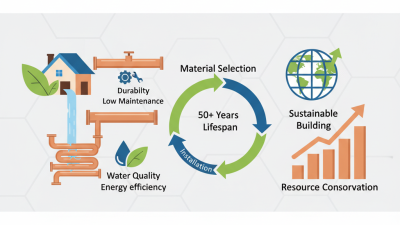
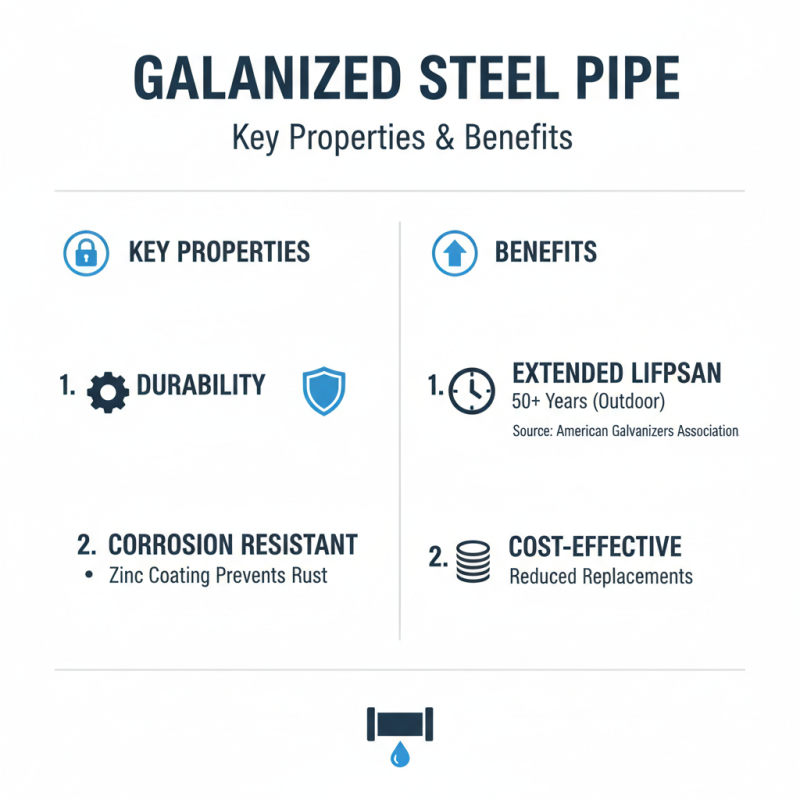
Galvanized steel pipe is a vital component in various industries, known for its durability and corrosion resistance. The galvanization process involves coating steel with zinc, which protects it from rust. According to the American Galvanizers Association, galvanized steel significantly prolongs the lifespan of pipes—often exceeding 50 years in outdoor environments. This longevity reduces the need for frequent replacements, showcasing its cost-effectiveness.
The key properties of galvanized steel pipes include excellent strength and resistance to extreme temperatures. The zinc coating not only guards against corrosion but also serves as a sacrificial layer, which means it protects the underlying steel even if scratched. Additionally, galvanized pipes can withstand pressures up to 5,000 psi, making them suitable for various applications, including water supply and structural support. However, there are areas for improvement; for instance, the initial manufacturing process can produce waste, and the zinc layer may sometimes flake over time.
The importance of galvanized steel pipes extends beyond functionality. They contribute to sustainability efforts in construction. A report by the Steel Recycling Institute notes that steel is one of the most recycled materials globally, with around 70 million tons recycled annually in the U.S. This practice not only conserves resources but also minimizes environmental impact, affirming galvanized steel's role in modern infrastructures. However, it is essential to consider local practices, as not all regions prioritize sustainable steel production, reflecting a gap in global standards.
Common Applications of Galvanized Steel Pipes
Galvanized steel pipes are widely used in various applications due to their durability and resistance to corrosion. In the construction industry, they play a critical role in plumbing and water supply systems. According to recent industry reports, over 60% of new residential buildings utilize galvanized steel pipes for water transport. This is due to their ability to withstand harsh environments and maintain structural integrity.
These pipes are also prominent in agriculture. Farmers often use them for irrigation systems. The protective zinc coating allows them to last longer in wet conditions. Research indicates that farmers can save up to 30% in replacement costs by using galvanized steel pipes. Moreover, these pipes are essential in scaffolding and structural support systems, providing stability and safety on construction sites.
Another common application is in manufacturing. Galvanized steel is often used for safety barriers and fencing. The American Society for Testing and Materials (ASTM) recommends galvanized steel for outdoor applications. However, some engineers express concerns about the long-term reliability of these pipes under extreme conditions. It's important to assess their suitability based on specific project needs. Balancing cost and performance remains a topic of ongoing discussion in the industry.
What is Galvanized Steel Pipe and Why is it Important? - Common Applications of Galvanized Steel Pipes
| Application |
Description |
Benefits |
| Water Supply Systems |
Used to transport drinking water and wastewater. |
Corrosion resistance and durability ensure long service life. |
| Construction |
Commonly used for structural frameworks and scaffolding. |
Provides strength and stability for buildings and structures. |
| Fencing |
Ideal for agricultural and commercial fencing applications. |
Resistant to rust, which maintains appearance and function. |
| Automotive |
Used in the manufacture of vehicle frames and exhaust systems. |
Improves lifespan of components by preventing corrosion. |
| Telecommunication |
Used for constructing towers and poles for communication lines. |
Ensures structural integrity and reduces maintenance costs. |
Maintenance and Longevity of Galvanized Steel Pipes
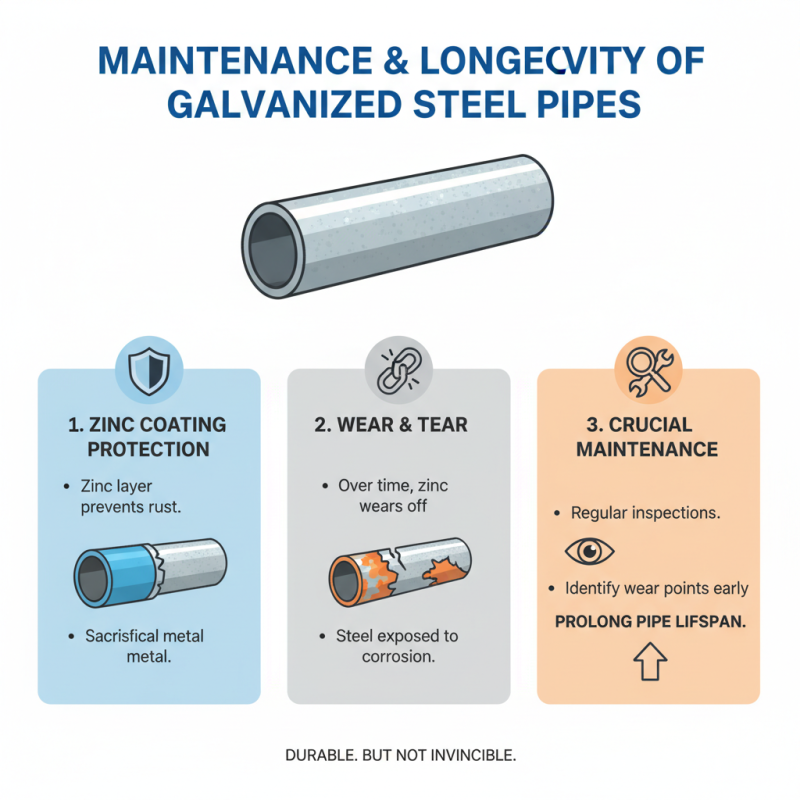
Galvanized steel pipes are known for their durability, but maintenance is crucial. These pipes are coated with zinc to prevent rust. Over time, the zinc layer can wear off, exposing the steel beneath. Regular inspections are vital for identifying these wear points before they turn into bigger problems.
While galvanized steel is resistant to corrosion, environmental factors can accelerate degradation. Areas with high humidity or exposure to chemicals can damage the zinc coating. Noticing discoloration or peeling can be a signal for needed maintenance. Cleaning the pipes regularly and addressing any damages promptly will extend their lifespan significantly.
DIY repairs may seem straightforward. Yet, it’s essential to assess the extent of damage accurately. Sometimes individuals overlook subtle signs of wear, ultimately leading to costly replacements. Hiring professionals can offer reliable solutions, ensuring the pipes function properly for years. Understanding these factors helps maintain galvanized steel pipes effectively, even if the initial inspection seems daunting.