What is High Carbon Steel and Its Applications in Various Industries?
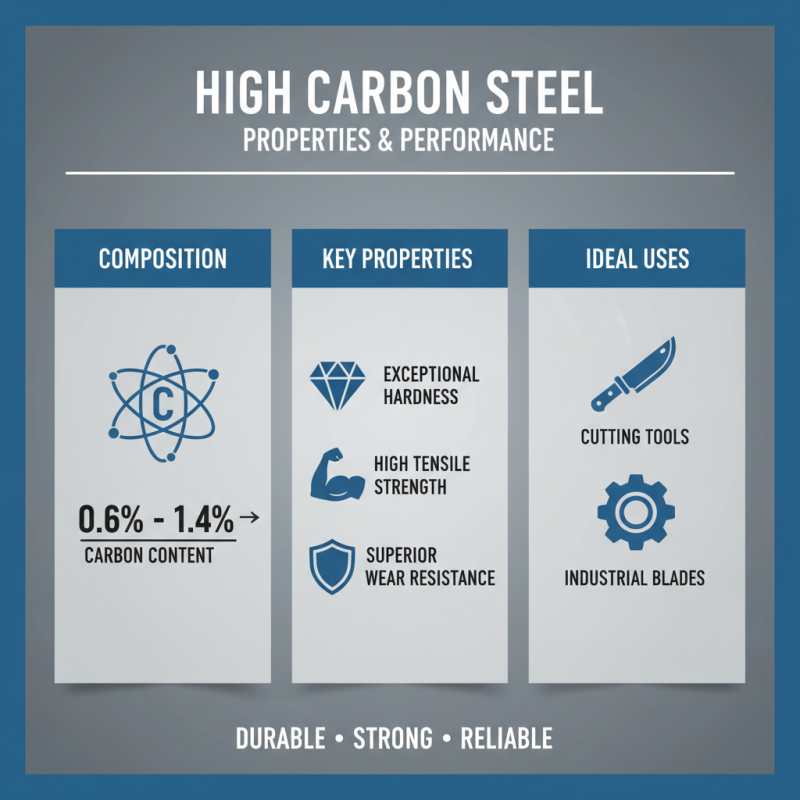
High Carbon Steel is a widely used material known for its remarkable strength and hardness. Engineers and manufacturers appreciate its unique properties. This type of steel contains a significant amount of carbon, typically above 0.6%. Such a composition enhances its performance in various applications.
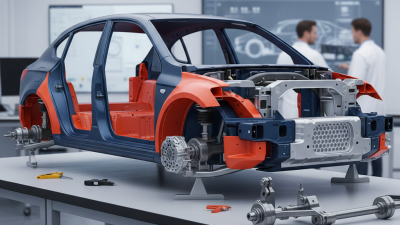
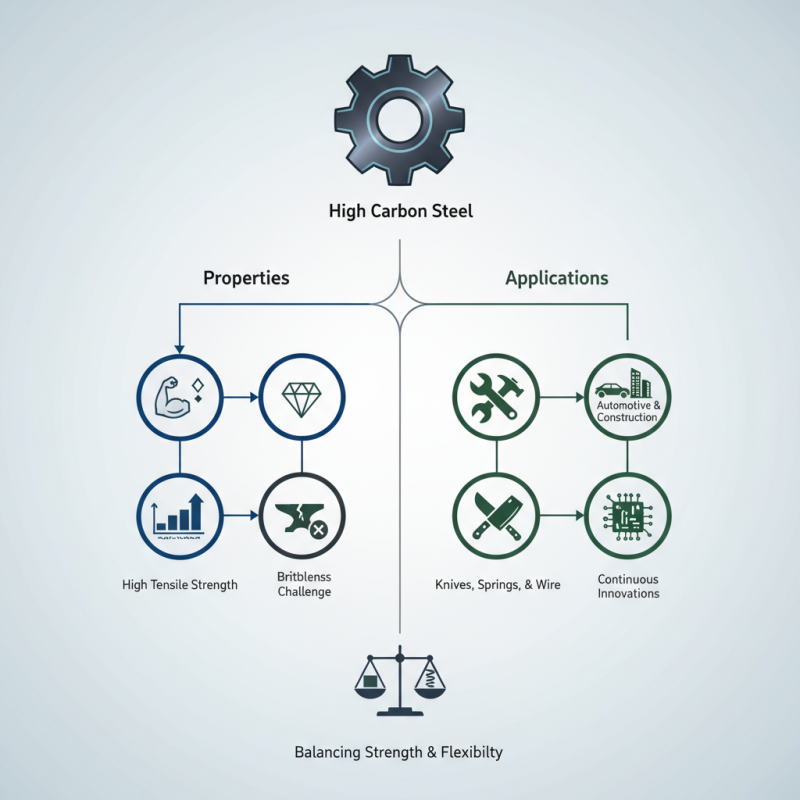
In industries such as automotive and construction, High Carbon Steel plays a critical role. Its high tensile strength ensures reliability under stress. Many tools and machinery rely on this material for durability. However, challenges exist. The brittleness of this steel can lead to failure under certain conditions. Understanding these limitations is essential for engineers.
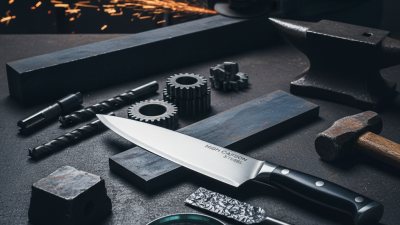
Applications go beyond common tools. High Carbon Steel is found in knives, springs, and wire. Each item requires precision and strength. With continuous innovations, its uses expand. Industries must evaluate the benefits and drawbacks. Balancing strength with flexibility is crucial for optimal design.
What is High Carbon Steel? Definition and Composition Overview
High carbon steel is a type of carbon steel that contains a higher percentage of carbon, typically between 0.6% to 1.5%. This significant carbon content gives the steel greater hardness and strength compared to low carbon options. However, it also makes the steel more brittle. Understanding its definition and composition is crucial for its effective use in various industries.
The primary components of high carbon steel include iron and carbon. The increased carbon content allows for improved edge retention, making it ideal for tools such as knives and blades. This type of steel is often used in automotive applications. It can be found in springs, shafts, and other components that require a balance of strength and fatigue resistance. However, its brittleness can be a concern. Proper heat treatment is essential to improve its toughness and minimize the risk of failure.
Applications in construction and manufacturing industries also demonstrate high carbon steel's versatility. It is used in the production of high-stress parts, such as gears and crankshafts. Yet, the challenges surrounding its oxidation and corrosion resistance need careful management. Overall, high carbon steel's unique properties make it a valuable material, but it requires thoughtful consideration in its application.
What is High Carbon Steel and Its Applications in Various Industries?
| Property |
Description |
| Carbon Content |
0.60% to 1.5% |
| Hardness |
Higher hardness due to increased carbon content |
| Tensile Strength |
Excellent tensile strength, suitable for heavy-duty applications |
| Applications in Construction |
Used for structural beams, reinforcement bars |
| Applications in Manufacturing |
Used for producing springs, knives, and other high-strength components |
| Advantages |
High strength, good wear resistance, and maintain sharp edges |
| Limitations |
Lower ductility and higher brittleness compared to low carbon steel |
Characteristics of High Carbon Steel: Properties and Performance Metrics
High carbon steel is renowned for its exceptional hardness and tensile strength. This material typically contains about 0.6% to 1.4% carbon. Such a high concentration of carbon creates a structure that is significantly harder than low-carbon steel. As a result, it exhibits excellent wear resistance, making it ideal for cutting tools and blades.
One key characteristic is its ability to undergo heat treatment. This process enhances its hardness even further. However, the brittleness of high carbon steel can be a concern, especially in applications dealing with shock loads. Users must balance hardness with ductility to prevent breakage. In many industries, such as automotive and manufacturing, engineers often face challenges when selecting the right grade for specific applications.
High carbon steel’s applications extend to the production of springs, wires, and surgical instruments. Each of these uses presents unique demands. Therefore, understanding the material properties is essential for optimal performance. Trial and error often reveal insights that design calculations alone cannot predict. This creates a continuous learning process for engineers and manufacturers alike.
Key Applications of High Carbon Steel in Manufacturing Industries
High carbon steel, known for its strength and durability, plays a vital role in multiple manufacturing industries. Its high carbon content, ranging from 0.6% to 1.4%, increases hardness and abrasion resistance. This makes it ideal for applications requiring robustness, such as cutting tools and industrial machinery. The global demand for high carbon steel is expected to grow significantly, with the market projected to reach $200 billion by 2025, according to industry reports.
In the automotive sector, high carbon steel is extensively used for manufacturing wires, springs, and brake components. These parts benefit from its tensile strength and resistance to deformation. Similarly, in the construction industry, it is utilized in reinforcing bars and structural beams. High carbon steel's ability to withstand heavy loads ensures structural integrity. Applications in the electronics sector are also expanding, with high carbon steel being favored for its conductive properties in connectors and switches.
Tips: When selecting high carbon steel for projects, consider the specific hardness and ductility requirements. Over-reliance on standard grades might lead to functionality issues in unique applications. Always consult with material experts to ensure optimal performance and durability in your designs.
Applications of High Carbon Steel in Various Industries
High carbon steel is widely utilized across various industries due to its remarkable strength and hardness. The bar chart above illustrates the percentage of applications of high carbon steel in key sectors such as automotive, construction, manufacturing, tooling, and aerospace, showcasing its significance in modern industry.
High Carbon Steel vs. Low Carbon Steel: A Comparative Analysis
High carbon steel contains a higher percentage of carbon compared to low carbon steel. This increased carbon content enhances its hardness and strength, making it suitable for applications requiring durability. For instance, high carbon steel is commonly used to produce cutting tools, springs, and high-performance automotive components. These products benefit from high carbon steel’s ability to maintain sharp edges and resist deformation under stress.
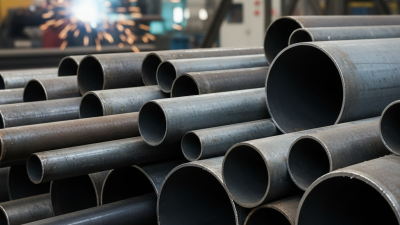
Conversely, low carbon steel is more malleable and ductile. It often contains less than 0.3% carbon. This composition makes it easier to weld and shape. Low carbon steel is typically found in structural applications such as beams and pipes. Its lower hardness while advantageous for forming can limit its use in high-stress environments.
The choice between these two types of steel depends on the application’s specific demands. High carbon steel may fracture under certain conditions, while low carbon steel may bend. Each type possesses unique strengths and weaknesses. Understanding these properties is key to selecting the right material for any project.
Future Trends and Innovations in High Carbon Steel Usage Across Sectors
High carbon steel is gaining traction in various industries due to its unique properties. Its hardness and wear resistance suit it for demanding applications in manufacturing and construction. Many companies are exploring innovative techniques to enhance its performance. For instance, advanced heat treatments and alloying methods are being implemented to improve durability and reduce brittleness. This is crucial in high-stress environments where failure is not an option.
As industries evolve, the need for sustainability becomes increasingly important. Future trends indicate a shift towards environmentally friendly practices in high carbon steel production. Research focuses on recycling scrap steel and reducing carbon footprints. Additionally, smart manufacturing technologies are integrating high carbon steel with artificial intelligence. This could optimize production processes and minimize waste. Although these advancements are promising, challenges remain in ensuring consistent quality and performance. The journey toward innovation in high carbon steel usage is ongoing, with many questions still to address.