How to Source Quality Marine Steel for Your Projects?
When embarking on marine projects, sourcing quality Marine Steel is essential. This material is fundamental in construction and infrastructure at sea. Many aspects affect the durability and reliability of Marine Steel. Ensuring you select the right supplier is vital for the project's success.
The process can be challenging. Various grades and specifications exist, each with unique properties. It's important to understand these differences. Poor sourcing choices may lead to project delays or safety risks. Always consider the supplier's reputation and their experience in the industry. Look for certifications that indicate quality standards.
Engaging with professionals can help navigate this complex landscape. Knowledgeable consultants often provide insights into the best sourcing practices. A well-informed decision in selecting Marine Steel plays a crucial role in a project's overall success. Quality materials can significantly impact project longevity and performance. Instead of rushing, take the time to evaluate all options thoroughly.
Understanding Marine Steel and Its Importance in Construction Projects
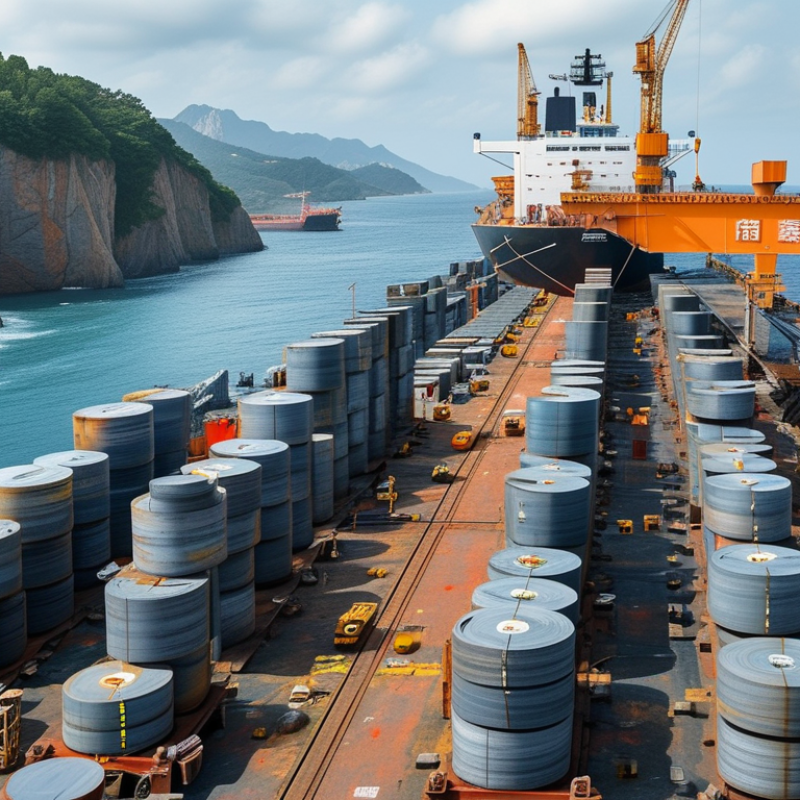
Marine steel is vital in construction, especially for marine infrastructures.
It is designed to withstand harsh environments, such as saltwater exposure and extreme weather. According to a recent report from the
American Bureau of Shipping, using high-quality marine steel can enhance the longevity
of structures by up to 30%. This is crucial for projects that require durability and safety.
When sourcing marine steel, consider its grade and standard. Common grades include AH36, DH36, and EH36,
known for their strength and resistance to corrosion. The International Association of Classification Societies (IACS)
recommends strict compliance with standards to ensure the material's quality. Additionally, obtaining certifications can aid in verifying
the steel’s reliability.
Tips: Always inspect steel samples before finalizing your order. Seek suppliers
with a strong reputation in the industry. It’s important to reflect upon the impact of cost versus quality too.
Cheaper options might lead to increased maintenance costs in the long run, undermining the initial savings. Each decision in sourcing
should ultimately prioritize safety and project longevity.
Identifying Quality Standards and Certifications for Marine Steel
When sourcing marine steel, understanding quality standards and certifications is crucial. The International Maritime Organization (IMO) sets key frameworks that regulate the use of steel in marine applications. Compliance with standards such as ISO 6570 and ASTM A131 is often non-negotiable for quality assurance. These standards ensure the steel can withstand harsh marine environments, which demand high tensile strength and corrosion resistance.
The American Bureau of Shipping (ABS) and Det Norske Veritas (DNV) provide additional certification processes. These organizations conduct rigorous testing and validation. They verify that marine steel meets essential safety and performance guidelines. A notable report showed that using certified materials can reduce failures in marine structures by up to 30%.
Tips: Always review the certification levels of your marine steel supplier. Ask for documentation proving compliance with industry standards. Evaluate the supplier’s track record in delivering quality materials. Remember, not all suppliers maintain the same quality assurance practices. Take time to understand the nuances of their certifications. If you notice discrepancies, reflect on the long-term implications for your projects.
How to Source Quality Marine Steel for Your Projects? - Identifying Quality Standards and Certifications for Marine Steel
| Type of Marine Steel |
Minimum Yield Strength (MPa) |
Common Standards |
Applicable Certifications |
Typical Applications |
| AH36 |
355 |
ABS, DNV, LR |
ISO 9001, EN 10025 |
Ships, Offshore Structures |
| EH40 |
400 |
ASTM A131 |
DNVGL, CCS |
Icebreakers, LNG Carriers |
| FH32 |
320 |
LR, BV |
API Q1, ISO 3834 |
Cargo Ships, Tankers |
| S355G10+M |
355 |
EN 10025 |
ISO 14001, ISO 45001 |
Submarine Components, Offshore Rigs |
Evaluating Suppliers: Key Factors to Consider for Marine Steel Procurement
When sourcing marine steel, evaluating suppliers is crucial. The quality of the steel you choose directly impacts the durability and safety of your project. Therefore, assessing potential suppliers effectively can save time and resources.
Tips for evaluating suppliers include checking for industry certifications. Valid certifications indicate adherence to quality standards, ensuring the steel meets specific marine requirements. Look for suppliers with a good track record and positive reviews. Online platforms can offer insights into their reputation and customer satisfaction.
Another factor is transparency during communication. A reliable supplier should provide detailed information about materials, pricing, and delivery timelines. Be cautious of suppliers who are evasive. Their unwillingness to share vital information may indicate potential issues.
Finally, consider the supplier's ability to meet your specific project needs. Some may specialize in certain grades of steel, while others might offer more versatile options. Engaging in discussions about their capabilities can help identify a good fit. Remember, a sound decision now can prevent future challenges in your project.
Assessing the Different Types of Marine Steel Available on the Market
When selecting marine steel, it's essential to understand the different types available. Marine steel is typically classified into two categories: structural and shipbuilding steel. Structural marine steel is commonly used for support frameworks. Shipbuilding steel is designed to withstand harsh marine environments, boasting enhanced corrosion resistance.
A report by the American Bureau of Shipping (ABS) indicates that over 30% of marine structures fail due to inadequate material choice. Among available options, AH36 and DH36 steel grades are notably popular. These grades provide excellent mechanical properties and can endure heavy loads. Additionally, high-strength low-alloy steels are gaining traction for their improved weldability and toughness.
However, decisions on marine steel sourcing can be complex. Not all suppliers adhere to strict quality standards, leading to variability in steel properties. In some cases, buyers may receive steel that doesn’t meet industry specifications. It's crucial to verify certifications and conduct independent testing. This enhances trust and helps prevent project delays caused by material failures.
Establishing a Quality Control Process for Marine Steel in Projects
Establishing a robust quality control process for marine steel is critical for project success. Quality steel is vital in marine applications, where structural integrity is paramount. Industry data shows that up to
60% of failures in marine structures can be traced back to poor material quality. Therefore, implementing strict quality control measures is essential.
One effective strategy is to establish clear criteria for the steel's properties, such as tensile strength and corrosion resistance. Regular inspections should be conducted throughout the procurement process. Partnering with reliable suppliers who adhere to ASTM standards can also enhance the quality assurance process.
Tips: Always request mill test reports and certifications from the suppliers.
Additionally, conducting third-party inspections can provide unbiased quality evaluations. Engaging in continuous training programs for staff involved in quality assurance can further improve processes. Retaining well-documented records of inspections and tests can aid in tracing issues if they occur. Remember, reflecting on past projects can reveal valuable lessons about material quality and supplier reliability.
Tips: Analyze past project data for insights.