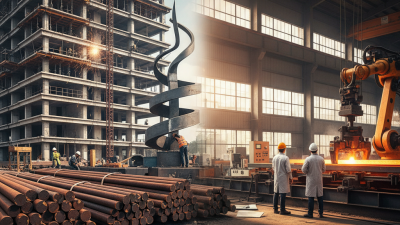
Why is Steel Essential for Oil and Gas Pipeline Integrity?
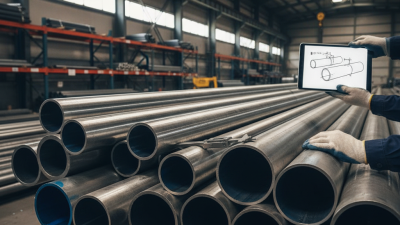
Steel plays a crucial role in the integrity of oil and gas pipelines. According to the American Petroleum Institute, over 90% of pipelines utilize steel for its strength and durability. Oil Gas Pipeline Steel withstands extreme pressures and varying temperatures found deep underground and underwater.
However, there are challenges facing the industry. Corrosion is a significant concern, affecting up to 40% of steel pipelines over time. The National Association of Corrosion Engineers states that this can lead to leaks or failures, risking environmental disasters and huge financial losses. While advancements in protective coatings have helped, the industry must continue seeking innovative solutions.
The importance of selecting the right steel alloy cannot be overstated. Reports indicate that using high-quality steel can enhance the longevity of pipelines significantly. Producers must weigh cost against potential risks. In conclusion, the integrity of oil and gas pipelines relies heavily on the properties of Oil Gas Pipeline Steel. As the energy demands grow, ensuring the reliability of pipeline infrastructure is more critical than ever.
Materials Properties of Steel Relevant to Pipeline Integrity
Steel is fundamental to the integrity of oil and gas pipelines due to its unique material properties. The American Society of Mechanical Engineers (ASME) stresses that steel's high tensile strength is crucial for withstanding internal pressures. This is particularly important as pipelines transport crude oil and natural gas at pressures up to 1440 psi. Steel's ability to endure such conditions contributes to a safe and reliable transport system.
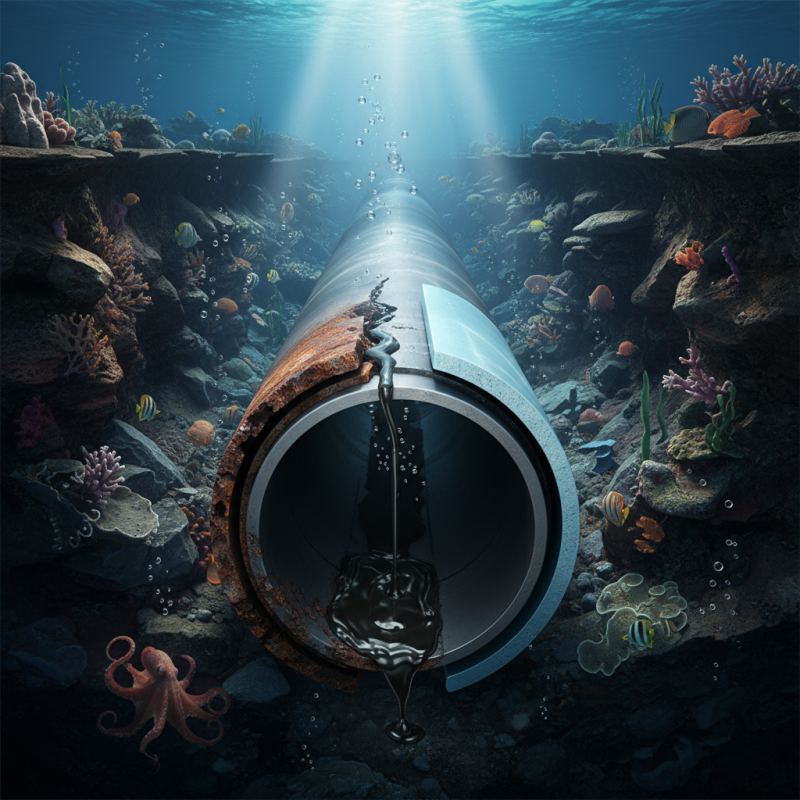
Corrosion resistance is another vital attribute. Studies show that pipelines can deteriorate rapidly due to environmental conditions. A report from the National Association of Corrosion Engineers (NACE) indicates that corrosion costs the oil and gas industry over $8 billion annually. Advanced coatings and corrosion-resistant alloys enhance the longevity of steel pipelines, yet regular monitoring is essential to address potential weaknesses. What happens when corrosion is overlooked? It can lead to catastrophic failures.
Finally, steel's ductility allows it to deform without fracturing during unexpected stress. This quality is crucial during seismic activities, where ground movement can put pipelines at risk. Real-world data reveals that a lack of ductility in older pipeline designs has led to accidents. Investing in higher quality materials and modern engineering practices is crucial. However, there’s a constant challenge in balancing costs with required safety standards. Determining how much to invest can create ethical dilemmas in management practices.
Role of Steel in Pipeline Design and Construction
Steel plays a crucial role in the design and construction of oil and gas pipelines. Its mechanical properties, such as strength and durability, are essential for withstanding high pressure and harsh environmental conditions. According to the American Petroleum Institute, over 95% of the pipelines in the United States utilize steel, highlighting its dominance in the industry. Steel can handle significant tensile loads, making it ideal for transporting crude oil and natural gas over long distances.
When designing pipelines, engineers must consider various factors, including corrosion resistance and weldability. Different grades of steel are available for specific applications. For example, high-strength low-alloy steels are often used for pipelines, as they offer better performance under stress. However, selecting the right type of steel requires careful analysis and sometimes trial and error.
Tip: Always consider the lifecycle of the pipeline materials. Regular inspections for corrosion and wear can prevent costly leaks or failures.
The construction of pipelines involves precise engineering and quality control. Steel's reliability under extreme conditions makes it indispensable. Yet, challenges remain. Flaws in material or design can lead to serious consequences. Engineers must continually assess risks during the planning and execution phases.
Tip: Use simulations to test pipeline designs under different scenarios. This proactive approach can uncover potential weaknesses.
Common Steel Grades Used in Oil and Gas Pipelines
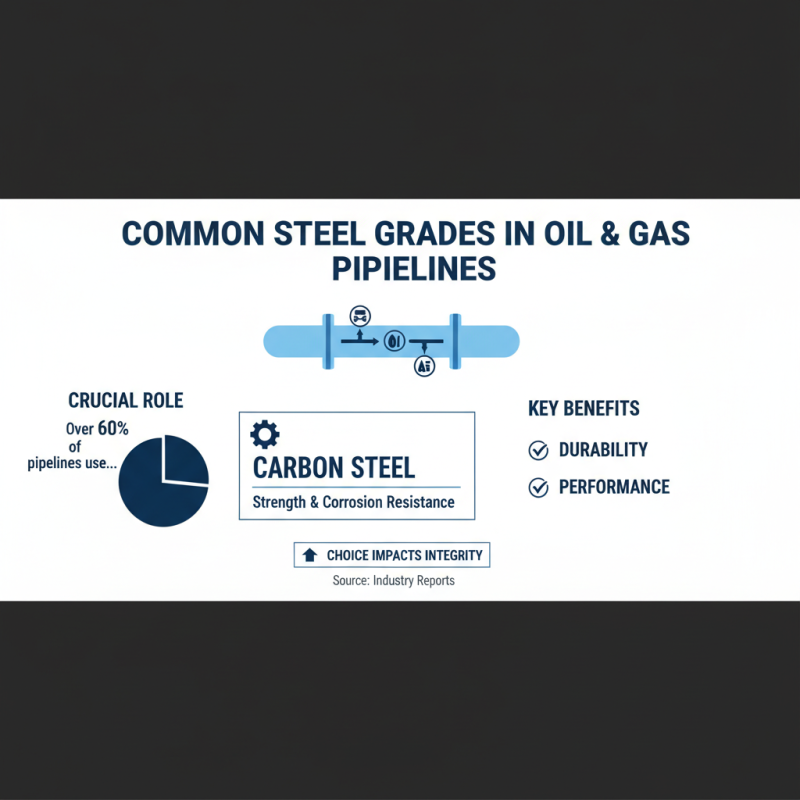
Steel plays a crucial role in the integrity of oil and gas pipelines. The choice of steel grade directly impacts the durability and performance of these pipelines. Industry reports indicate that over 60% of pipelines use carbon steel, known for its strength and resistance to corrosion.
Common grades, like API 5L X56 and X70, are popular among operators. API 5L X56 exhibits a minimum yield strength of 56 ksi, while X70 offers an impressive 70 ksi. These properties make them suitable for high-pressure environments. However, selecting the right grade is not always straightforward. Environmental factors can lead to unexpected challenges, such as stress corrosion cracking, especially in areas with high salinity.
Pipe integrity testing is essential for maintaining safety standards. Despite advancements, many pipelines still face issues like weld defects. Non-destructive testing methods are vital. They play a key role in identifying potential failures before they escalate. Continuous monitoring and adapting to the evolving standards is critical for the industry. The need for consistent quality control cannot be overlooked.
Corrosion Resistance and Coating Technologies for Steel Pipelines
Steel pipelines are vital for transporting oil and gas. However, they face significant challenges from corrosion. Metal deterioration can lead to leaks and failures, causing environmental and financial issues. This is where coating technologies come into play. They serve as protective barriers, reducing direct contact between steel and corrosive elements.
Various coating methods exist. For instance, epoxy and polyethylene coatings are widely used. They offer strong resistance to moisture and chemicals. However, these coatings require careful application. Poor installation can lead to weak spots, undermining their effectiveness. Regular inspections are needed to ensure integrity.
Another aspect to consider is the environmental conditions. Pipeline installations can encounter different climates. Extreme heat or cold can affect coating performance. Adaptability in coating technology is crucial. Continuous research is necessary to develop more durable solutions. The goal is to enhance steel's life span for safer, more reliable oil and gas transport.
Impact of Environmental Factors on Steel Pipeline Longevity
Steel pipelines face numerous environmental challenges that directly affect their longevity. According to the U.S. Department of Transportation, corrosion can reduce pipeline walls by up to 30% over time. Soil conditions, such as acidity and moisture, significantly influence the rate of corrosion. For instance, acidic soils can accelerate deterioration, causing potential leaks. Industry reports reveal that over 50% of pipeline failures are linked to corrosion-related issues.
Temperature fluctuations and extreme weather events also play critical roles. The American Society of Mechanical Engineers warns that thermal expansion and contraction can stress pipeline materials. For example, regions with harsh winters experience more incidents of cracking due to freezing temperatures. The implementation of protective coatings and cathodic protection systems is essential but not entirely foolproof. Studies indicate that even well-protected steel pipelines can suffer from environmental wear, misguiding operators about their true integrity.
Monitoring technologies are developing rapidly, yet gaps remain. Routine inspections often miss small defects that can become significant hazards. Some reports suggest that about 30% of damage remains undetected until it’s too late. This highlights the need for continuous innovation in monitoring methods. Enhanced data analytics could lead to better predictive maintenance, but the industry still grapples with reliability in challenging conditions. Addressing these factors is vital for ensuring pipeline safety and performance.
Why is Steel Essential for Oil and Gas Pipeline Integrity? - Impact of Environmental Factors on Steel Pipeline Longevity
| Environmental Factor |
Impact on Steel |
Mitigation Strategies |
Expected Longevity (Years) |
| Corrosion |
Leads to material degradation, thinning of pipe walls |
Use of corrosion-resistant coatings, regular inspections |
20-30 |
| Temperature Fluctuations |
Can cause expansion and contraction leading to stress |
Thermal insulating materials, temperature monitoring systems |
25-35 |
| Soil Movement |
Can lead to mechanical stress and bending |
Proper excavation techniques, using flexible pipe designs |
15-25 |
| Chemical Exposure |
Accelerates corrosion and deterioration of steel |
Use of protective linings, regular monitoring |
10-20 |
| Hydrostatic Pressure |
Can lead to ruptures or leaks if not managed |
Regular pressure testing, using thicker steel grades |
30-50 |