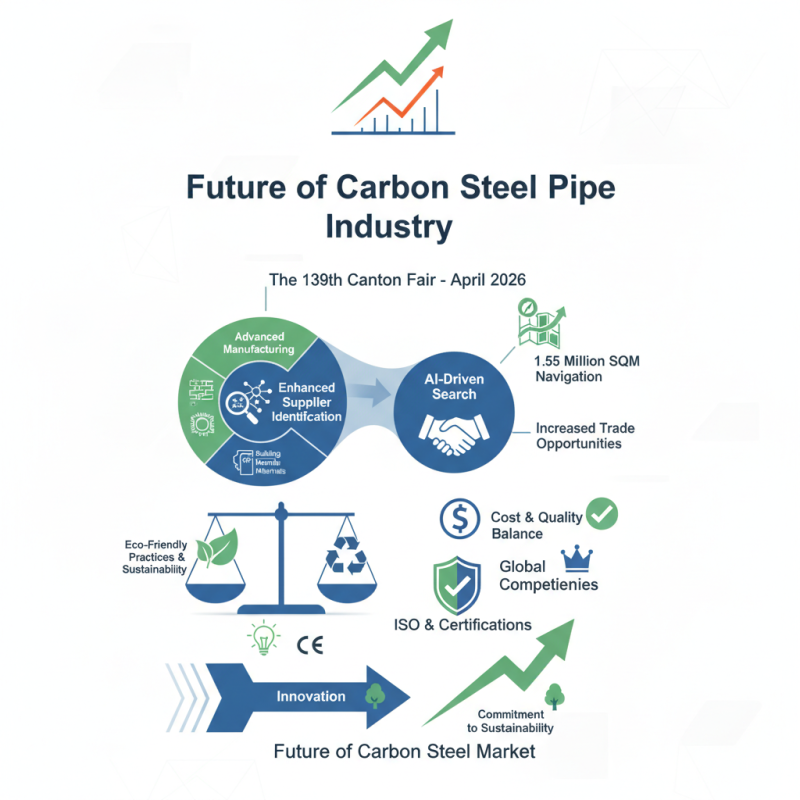
The 139th Canton Fair, scheduled for April 2026, will showcase significant trends in the Carbon Steel Pipe industry. This event represents a crucial opportunity for manufacturers and buyers. The fair spans three phases, focusing on advanced manufacturing and building materials, emphasizing innovations in carbon steel products. As Dr. Emily Chen, a leading expert in metallurgical engineering, stated, "The future of Carbon Steel Pipe lies in sustainability and technological advancement."
Recent reports indicate a steady growth rate of 4.5% annually in the carbon steel market. Participants in this sector are adapting to emerging trends like AI-driven searches. These advancements enhance efficiency in identifying qualified suppliers. Importantly, the integration of AI at the Canton Fair allows for precise navigation through its expansive 1.55 million square meters, increasing trade opportunities.
However, challenges remain. The industry must focus on eco-friendly practices while balancing cost and quality. Suppliers are urged to adopt certifications like ISO and CE. Achieving these standards is vital for competitiveness. The carbon steel market stands at a crossroads. Its future hinges on innovation and commitment to sustainability.
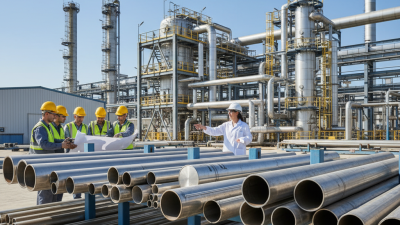
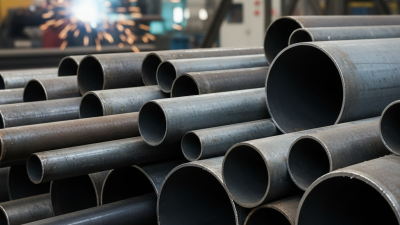
The 139th Canton Fair showcased an impressive array of carbon steel pipes. Buyers and suppliers gathered to explore new trends that are reshaping the industry. A notable highlight was the focus on durability and cost-effectiveness. Many exhibitors emphasized the importance of these qualities in today's market.
During the event, various sizes and specifications of pipes were on display. Colorful coatings and innovative designs caught many eyes. However, issues like inconsistent quality were also evident. Some products did not meet industry standards, leading to concern among buyers. Participants expressed the need for better quality control.
Sustainability was a recurrent theme at the fair. Many exhibitors discussed environmentally friendly production processes. However, a gap between intent and execution still exists. It left some attendees wondering about the future. The increasing demand for carbon steel pipes coupled with these challenges calls for reflection and improvement in the industry.
The 139th Canton Fair highlights innovative technologies in carbon steel pipe manufacturing. Recent industry reports show that automation is revolutionizing production. Automation improves efficiency, but it also raises concerns about job displacement. Companies face challenges in integrating new technologies while maintaining workforce stability.
Manufacturers are increasingly adopting advanced welding techniques, such as laser welding. This method enhances precision and reduces material waste. Industry data indicates that laser welding can increase production speeds by up to 30%. However, the initial investment is significant. Smaller firms struggle to keep pace, which can widen the competitive gap.
Sustainability is another pressing trend. Many manufacturers are exploring eco-friendly practices. Reports suggest that implementing green technologies can reduce production emissions by 25%. Yet, the cost of transitioning to sustainable methods may deter some businesses. As the industry evolves, the balance between innovation and accessibility remains a critical topic.
Sustainability is becoming crucial in the carbon steel pipe industry. A shift towards eco-friendly practices is evident. Many manufacturers are now focusing on reducing their carbon footprint. Recycling old pipes plays a significant role in this movement. By reusing materials, companies can lessen their impact on natural resources.
Innovations in production methods are also noteworthy. Some factories are adopting cleaner energy sources. This transition helps decrease greenhouse gas emissions. However, the challenge remains in balancing efficiency and sustainability. The machinery used can still consume significant energy.
Lastly, education and awareness are key. The industry needs to commit to training its workforce. Understanding sustainability means more than just following trends. It’s about creating a culture of responsibility. While progress is being made, there is still room for improvement. Each step counts, but it’s vital to reflect on what more can be done.
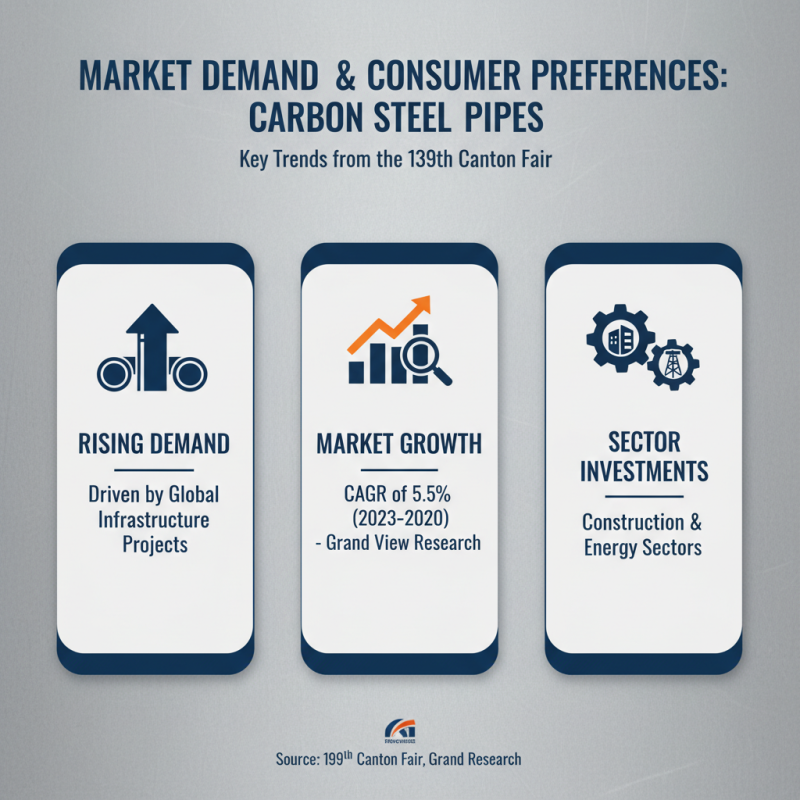
The 139th Canton Fair highlighted significant trends in carbon steel pipe usage. Demand for these pipes is on the rise, driven by infrastructure projects globally. According to a market report by Grand View Research, the carbon steel pipe market is projected to grow at a CAGR of 5.5% from 2023 to 2030. This growth reflects increasing investments in construction and energy sectors.
Consumer preferences are evolving. Many buyers now prioritize durability and cost-effectiveness in their purchases. A survey conducted by IBISWorld found that 70% of consumers favor carbon steel pipes over alternatives due to their strength and resistance to corrosion. However, there are challenges. Consumers often express concerns about the environmental impact of sourcing and production. The need for sustainable practices in manufacturing is becoming critical.
Though the market appears promising, it is not without flaws. Some buyers still find the pricing structure confusing. Supply chain disruptions have also led to delays, causing frustration among consumers. This indicates a need for better communication and transparency in the industry. Addressing these issues can enhance buyer confidence and further boost market growth.
The carbon steel pipe industry is on the brink of significant transformation. As per recent studies, the global carbon steel pipe market is projected to reach approximately $91 billion by 2027. This growth is largely driven by increasing demand in sectors like construction and energy. Emerging markets are ramping up infrastructure development, which will require extensive piping systems.
Recent trends show that lightweight and high-strength materials are gaining traction. Manufacturers aim to produce pipes that can withstand extreme conditions while reducing overall weight. This can lead to easier installation and lower transportation costs. However, some producers face challenges in maintaining quality amid these changes. The balance between innovation and reliability can sometimes be hard to achieve.
Tips: Consider focusing on energy-efficient production methods. Incorporating sustainable practices can enhance market competitiveness. As trends shift, companies should remain adaptable. Constant assessment of market demands will be crucial for long-term success. Companies may need to refine their strategies to stay relevant.
| Trend | Description | Impact | Future Outlook |
|---|---|---|---|
| Increased Demand | Growing construction and infrastructure projects driving demand. | Positive growth for manufacturers. | Expected to continue rising over the next few years. |
| Sustainability Focus | Shifts towards eco-friendly production methods. | Enhances brand image and compliance with regulations. | Increasing adoption of sustainable practices. |
| Technological Advancements | Innovations in steel manufacturing processes. | Improved efficiency and product quality. | Continued investment in R&D. |
| Market Diversification | Expanding into new markets outside traditional sectors. | Reduces dependency on specific industries. | Broadening market presence to mitigate risks. |
| E-commerce Expansion | Growing online sales platforms for pipe distribution. | Increased accessibility and sales growth. | Sustained growth expected in online transactions. |
| Global Supply Chain Optimization | Reevaluating supply chains for efficiency. | Cost savings and improved delivery times. | Ongoing adjustments to optimize logistics. |
| Regulatory Changes | Updates in environmental and safety regulations. | Increased compliance costs for manufacturers. | Ongoing adaptations required for compliance. |
| Quality Standards Elevation | Raising bar for product quality and certification. | Enhanced consumer trust and safety. | Continued focus on high standards. |
| Price Volatility Management | Strategies to mitigate raw material price fluctuations. | Improved profit margins and stability. | More robust purchasing strategies anticipated. |
| Smart Manufacturing | Adoption of IoT and AI in manufacturing processes. | Increased automation and efficiency. | Growth in smart factories predicted. |