Top 10 Oil Gas Pipeline Steel Manufacturers in China?
The Oil Gas Pipeline Steel industry plays a crucial role in global energy supply. It ensures the efficient transport of crude oil and natural gas. China has emerged as a leading manufacturer in this sector. With numerous companies vying for top positions, identifying the best is essential.
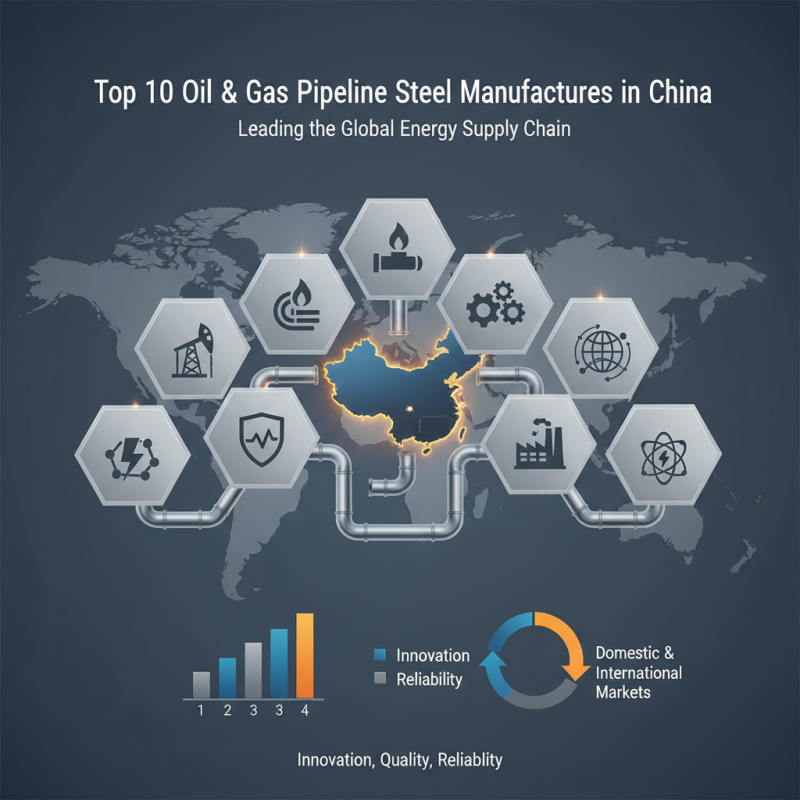
This article explores the top ten manufacturers of Oil Gas Pipeline Steel in China. These firms are recognized for their innovation, quality, and reliability. They contribute significantly to both domestic and international markets. Evaluating their strengths and weaknesses can be insightful.
Understanding the market landscape is important. Each manufacturer has unique capabilities and challenges. Some excel in technology, while others may struggle with operational efficiency. This analysis aims to provide clarity on the top players in this vital industry. By reflecting on these aspects, stakeholders can make informed decisions in the complex world of Oil Gas Pipeline Steel.
Overview of the Oil and Gas Pipeline Industry in China
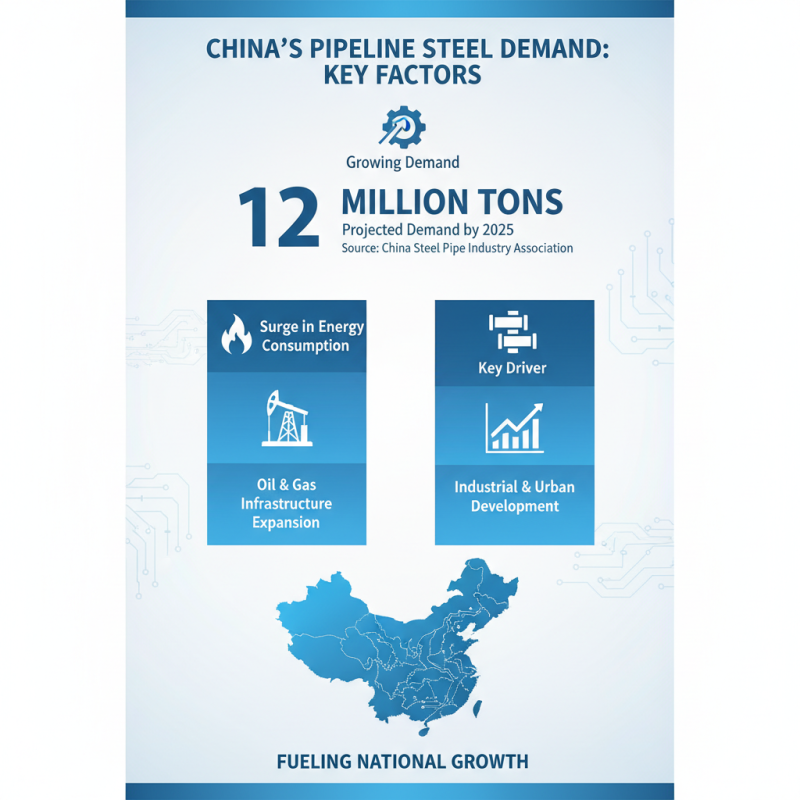
The oil and gas pipeline industry in China has seen significant growth in recent years. In 2022, the country's pipeline infrastructure reached over 150,000 kilometers. This expansion caters to increasing energy demands and fosters regional distribution networks. Despite progress, challenges remain in quality and environmental impacts.
Recent data from industry reports indicate that about 70% of China's pipelines are constructed using high-strength steel. However, issues persist regarding the quality and reliability of materials used. For instance, numerous inspections have revealed some pipelines did not meet safety standards. This has raised concerns about potential leaks and failures.
Furthermore, as China's economy evolves, many pipeline manufacturers are under pressure to innovate. They must enhance efficiency while minimizing environmental footprints. Adopting advanced technologies, such as smart monitoring systems, is essential for future resilience. Despite these efforts, questions linger about the pace of technological adoption in the industry. Balancing growth with sustainability is a pressing challenge that will define the future landscape of oil and gas pipelines in China.
Top 10 Oil Gas Pipeline Steel Manufacturers in China
| Rank |
Production Capacity (tons/year) |
Market Share (%) |
Export Capability (tons/year) |
Established Year |
Headquarters Location |
| 1 |
1000000 |
25 |
200000 |
1995 |
Beijing |
| 2 |
800000 |
20 |
150000 |
2000 |
Shanghai |
| 3 |
600000 |
15 |
100000 |
1980 |
Tianjin |
| 4 |
500000 |
10 |
80000 |
1990 |
Guangzhou |
| 5 |
400000 |
8 |
60000 |
1998 |
Shenzhen |
| 6 |
350000 |
6 |
50000 |
2005 |
Chengdu |
| 7 |
300000 |
5 |
40000 |
2010 |
Hangzhou |
| 8 |
250000 |
4 |
30000 |
2015 |
Nanjing |
| 9 |
200000 |
3 |
25000 |
2020 |
Wuhan |
| 10 |
150000 |
2 |
20000 |
2022 |
Xi'an |
Criteria for Selecting Top Oil and Gas Pipeline Steel Manufacturers
When selecting top oil and gas pipeline steel manufacturers, several factors come into play. The quality of materials is paramount. High strength, durability, and resistance to corrosion are essential features. Manufacturers should provide detailed specifications about their steel grades. Transparency in their processes and testing is crucial for building trust.
Experience matters significantly in this industry. Manufacturers with extensive experience understand the unique challenges. They are familiar with industry standards and client needs. This knowledge allows them to tailor their products effectively. Moreover, a good manufacturer should have certifications from recognized authorities. This adds credibility and shows adherence to international standards.
Another key consideration is customer support and service. A responsive customer service team can make a difference, especially in emergencies. Manufacturers must be approachable and ready to solve issues promptly. However, not all companies excel in this area, so research is vital. Gathering feedback from previous customers can reveal gaps in service quality. Choosing the right manufacturer takes time and thought. The stakes are high, so proper diligence is essential.
List of Leading Oil and Gas Pipeline Steel Manufacturers in China
The oil and gas pipeline steel industry in China is vital for infrastructure development. Numerous manufacturers specialize in producing high-quality steel for pipelines. These manufacturers play a crucial role in meeting the energy demands of both domestic and international markets.
Several key players are recognized for their expertise in this field. They focus on advanced manufacturing techniques and strict quality control processes. This ensures that their products meet international standards. High-strength and corrosion-resistant steel grades are essential for pipeline durability. Manufacturers invest heavily in research and development to innovate and improve their offerings.
Despite the advancements, challenges remain. Some companies struggle with supply chain disruptions and fluctuating raw material prices. Additionally, the environmental impact of steel production raises concerns. Continuous efforts are necessary to enhance sustainability in the manufacturing process. Balancing growth and environmental responsibility is an ongoing conversation in the industry.
Innovations and Technological Advancements in Pipeline Steel Production
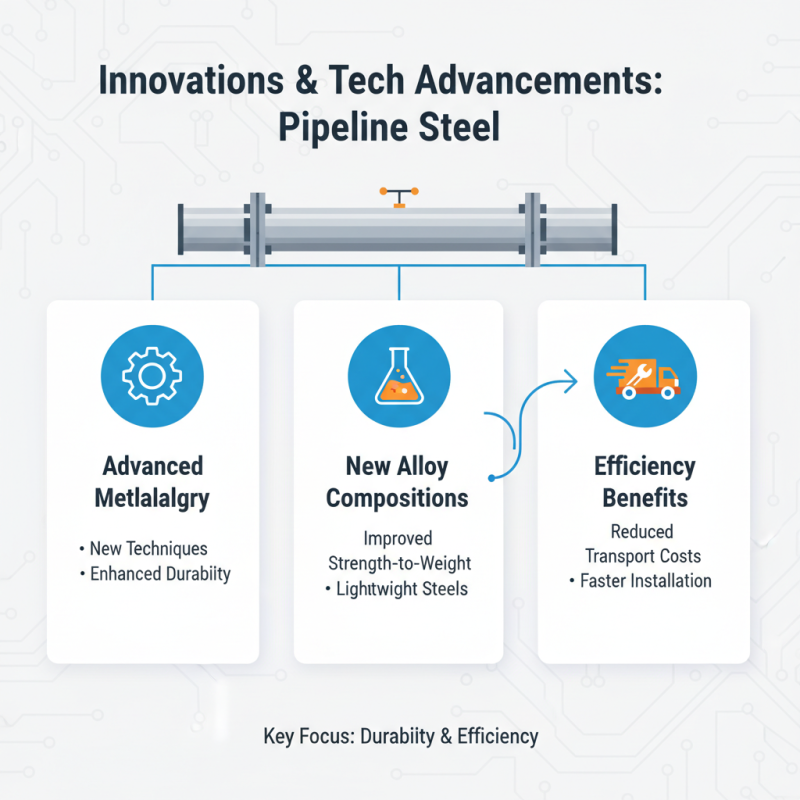
In recent years, the pipeline steel production industry has witnessed significant innovations and advancements. These developments focus on enhancing the durability and efficiency of pipeline materials. Advanced techniques in metallurgy are becoming commonplace. Manufacturers are investing in new alloy compositions to improve the strength-to-weight ratio of steel. Lightweight steels can reduce transportation costs and improve installation efficiency.
One noteworthy trend is the integration of digital technologies. Smart manufacturing processes utilize AI and IoT for real-time monitoring. These technologies help in maintaining quality during production. Moreover, predictive maintenance is becoming essential for reducing downtime. However, challenges remain in ensuring consistent quality across different production facilities. Some manufacturers struggle to adapt to these new technologies fully.
Environmental considerations also play a crucial role in modern production methods. Companies are exploring sustainable practices, like recycling scrap steel. This effort minimizes waste and conserves resources. Despite these promising innovations, the industry faces scrutiny regarding its carbon footprint. Balancing efficiency with environmental responsibility is a complex task. The road ahead includes both opportunities and obstacles.