Top 10 Uses for Brass Pipe in Home and Industry Applications?
Brass pipe is a versatile material used widely in home and industry applications. Its unique properties make it suitable for various tasks. This article explores the top ten uses of brass pipe.
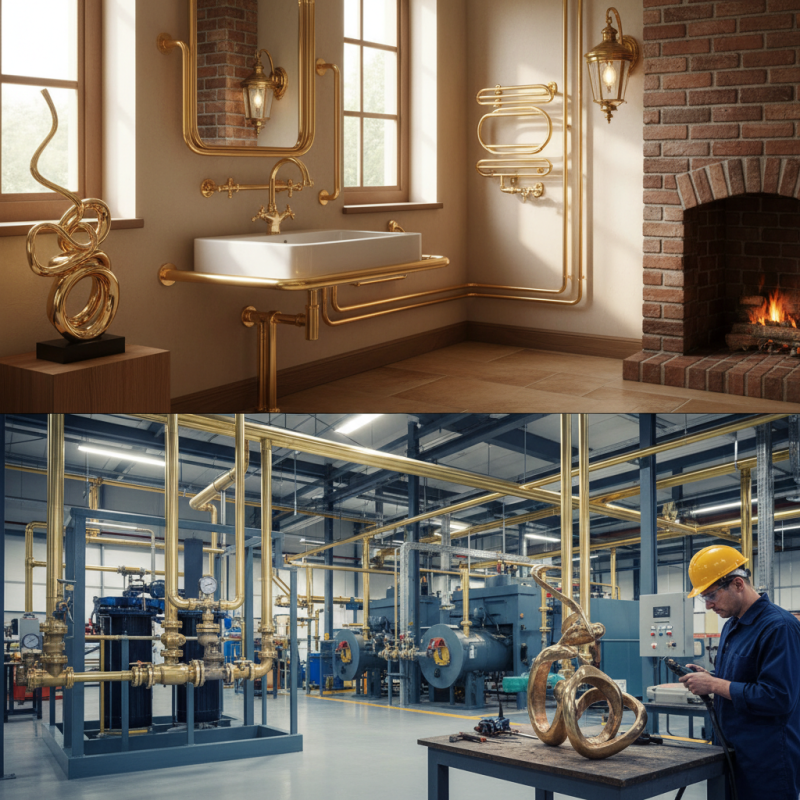
In plumbing, brass pipes provide excellent corrosion resistance. They withstand high pressure and temperatures, making them ideal for water supply lines. In HVAC systems, brass pipe is often used for gas lines, ensuring safe and reliable operation. Furthermore, its aesthetic appeal enhances many fixtures in homes.
Brass pipe is also popular in artistic applications. Artists use it to create stunning sculptures. However, the cost can be a downside for some projects. While the material offers beauty and functionality, it's essential to balance budget constraints. Knowing when brass pipe is the right choice requires careful consideration.
Overview of Brass Pipe Properties and Benefits
Brass pipes are known for their excellent properties. They offer high corrosion resistance and durability. This makes them suitable for various applications. Brass contains copper and zinc, which contribute to its strength. According to industry reports, it can withstand high temperatures up to 550°F. This makes brass a preferred choice in plumbing and heating systems.
The benefits of brass include its malleability and ability to be easily fabricated. It can be shaped into various forms without losing integrity. This feature is especially important in manufacturing sectors. Brass pipes also have antimicrobial properties. Studies show they can reduce the growth of harmful bacteria by up to 99%. That’s crucial in preventing contamination in water supply systems.
However, there are considerations. Over time, brass can develop a patina. This discoloration might be seen as unappealing. In some cases, brass pipes may require periodic replacement. The initial cost is higher than some alternatives. Yet, the long-term durability often justifies the expense. Balancing cost and performance is essential in decision-making.
Top 10 Uses for Brass Pipe in Home and Industry Applications
Common Home Applications of Brass Pipe
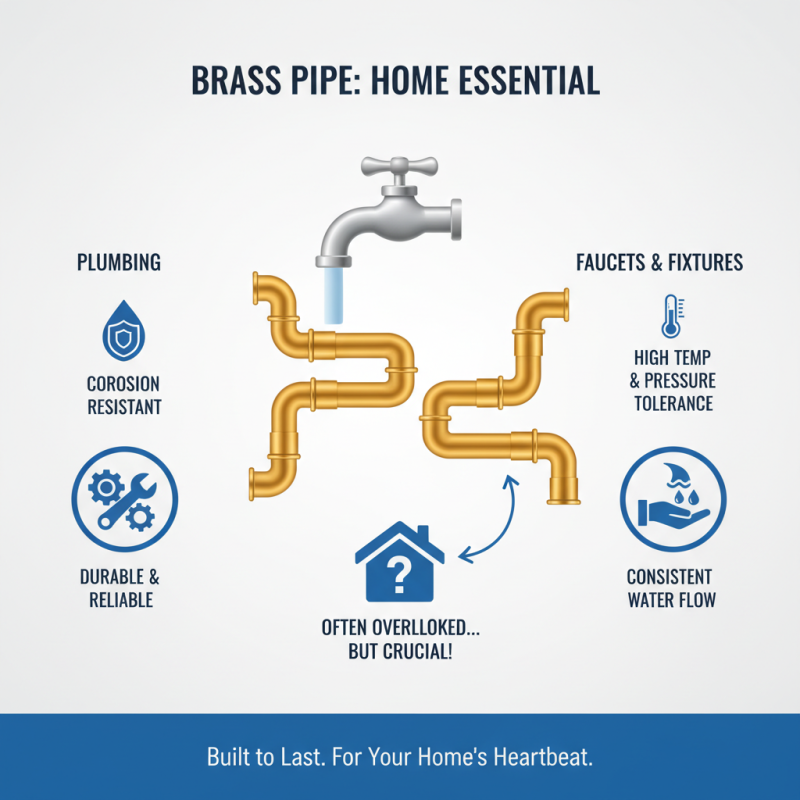
Brass pipe is often overlooked in home applications but serves many essential purposes. In plumbing, it is highly valued for its durability and resistance to corrosion. Used in faucets and fixtures, it can withstand high water pressure and temperature fluctuations. Imagine turning on a tap and feeling the steady flow of water. That's brass piping at work.
Another common application is in heating systems. Brass pipes connect radiators and boilers effectively. They conduct heat well, ensuring efficient warmth throughout your home. Picture a cold winter day, and your living room feels cozy because of those brass pipes. However, improper installation can lead to leaks, which can be frustrating and costly to fix.
Brass pipe also finds use in decorative elements. From stylish handrails to unique light fixtures, it adds a touch of elegance. Picture a gleaming brass railing in your hallway. It captivates attention. Yet, maintaining its luster requires effort. Owners must regularly polish these pieces, or they might tarnish. Understanding both the advantages and challenges of brass pipe can enhance any home’s aesthetic and function.
Industrial Uses of Brass Pipe in Manufacturing
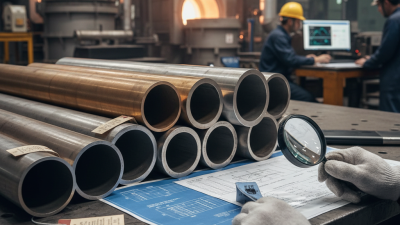
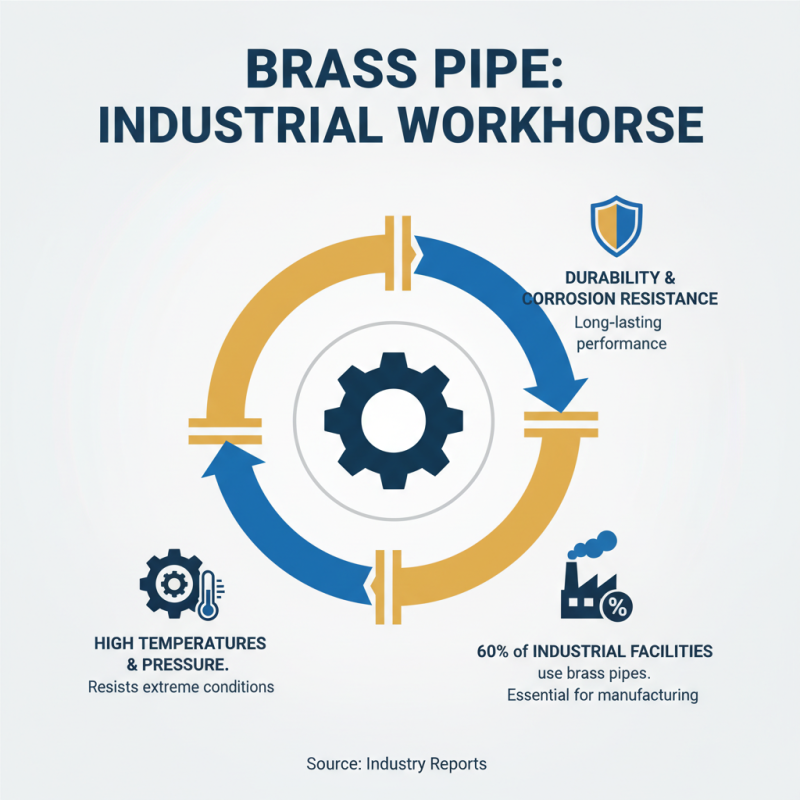
Brass pipe plays a crucial role in various industrial applications. In manufacturing environments, its durability and corrosion resistance make it a prime choice. According to industry reports, approximately 60% of industrial facilities utilize brass components for piping systems. This is mainly due to brass's ability to withstand high temperatures and pressures.
A common use of brass pipe is in hydraulic systems. These systems require reliable materials that won't degrade over time. Brass pipes can effectively handle fluid flow and resist wear, ensuring longevity. Additionally, their ease of fabrication allows for quick adaptations in manufacturing processes.
Tips: Always consider the specific requirements of your application. Not every brass alloy is suitable for all environments. Selecting the right type can prevent costly repairs. For example, the wrong brass formulation may lead to premature failure in corrosive settings.
Another area where brass pipes shine is in air compression systems. These systems often operate under high pressure. Brass pipes provide the strength needed to maintain structural integrity. Studies show that systems using brass components report fewer malfunctions, enhancing productivity on the shop floor. However, proper installation is vital. Poorly fitted connections can lead to leaks and inefficiency.
Tips: Regular maintenance checks on brass piping ensure optimal performance. Addressing any slight wear can save money in the long run. Pay attention to signs of corrosion, which can be a warning signal.
Plumbing and HVAC Systems Utilizing Brass Pipe
Brass pipes are crucial in plumbing and HVAC systems. They resist corrosion, making them ideal for water lines. According to industry reports, brass pipes account for 15% of all plumbing materials used in homes. Their durability ensures a long lifespan, often exceeding 50 years. This makes them a smart choice for renovations and new constructions.
Tips: Always check the pressure ratings before installation. Brass pipes can handle high pressure, but each system may vary. Improper installation can lead to leaks.
In HVAC systems, brass pipes are commonly used for refrigerant lines. They enhance energy efficiency while preventing leaks. Statistics indicate that using brass can improve system performance by up to 20%. However, improper soldering can weaken the joints, leading to future failures. Regular maintenance is essential for these systems to avoid costly repairs.
Tips: Inspect joints and connections regularly. Look for signs of wear or corrosion. A little vigilance can save money and ensure safety.
Advantages of Using Brass Pipe Over Alternative Materials
Brass pipes offer several advantages over alternative materials like PVC or steel. They are resistant to corrosion, which is crucial in both home and industrial environments. According to industry reports, brass pipes can last over 50 years under proper conditions. This longevity reduces the need for frequent replacements and can save on maintenance costs.
Another important benefit is the strength of brass. It can handle high pressure and temperature variations better than many other materials. This makes it a preferred choice for plumbing and heating systems. Studies show that brass fittings are less likely to fail under stress compared to plastic alternatives. However, the initial cost can be higher, which some may find challenging.
Brass is also a natural antimicrobial material. It helps in reducing the growth of bacteria, making it suitable for water supply lines. The Environmental Protection Agency (EPA) has noted that using brass can contribute to healthier water systems. This property is not commonly found in plastic pipes. While the benefits are clear, some may be hesitant due to brass's environmental impact during production. Balancing durability with sustainability remains a key area for improvement.