Top 10 Uses for Cold Rolled Steel in Modern Industry?
Cold Rolled Steel plays a vital role in modern industry. This material is prized for its strength and versatility. According to a recent industry report, the global cold rolled steel market is expected to grow by 4.5% annually. Various sectors rely on this material to meet their demands.
From automotive manufacturing to construction, Cold Rolled Steel is everywhere. Its smooth surface makes it ideal for precision engineering. In automotive applications alone, over 60% of vehicle parts utilize this steel type. Yet, challenges exist. Some manufacturers struggle with quality control and production efficiency.
Despite these issues, Cold Rolled Steel remains a popular choice. Its ability to be shaped and formed allows for endless applications. Ultimately, the importance of this material cannot be overstated. Industries must continue to adapt and innovate to maximize its potential.
Applications of Cold Rolled Steel in Automotive Manufacturing
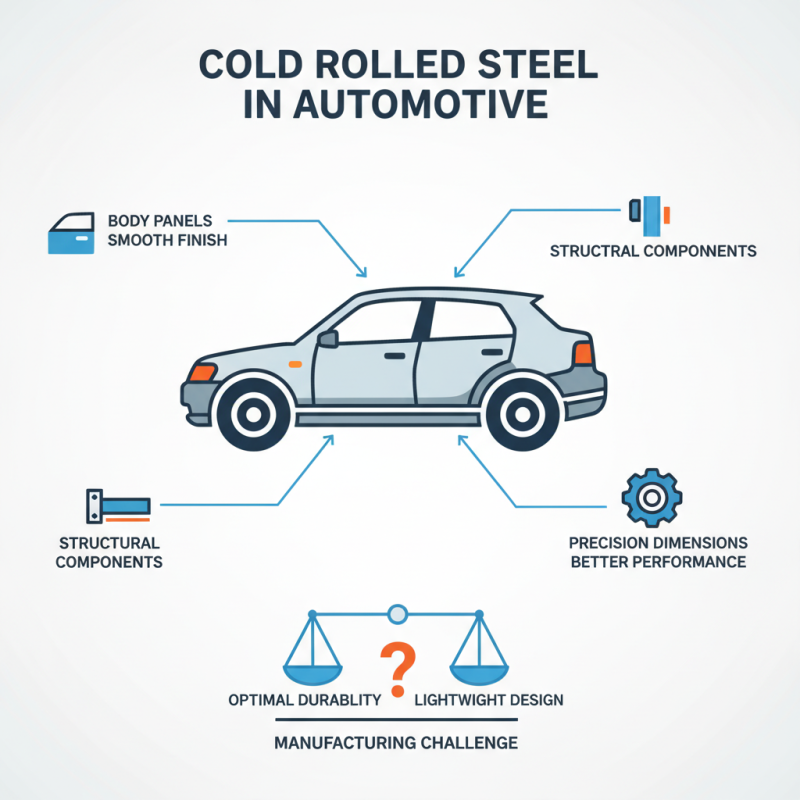
Cold rolled steel plays a pivotal role in automotive manufacturing. Its unique properties make it ideal for various applications, from body panels to structural components. The steel is known for its smooth finish and precise dimensions, ensuring better performance and aesthetics in vehicles. Many manufacturers appreciate how this type of steel can enhance the overall strength of car structures. Yet, achieving optimal durability while maintaining lightweight characteristics is often a challenge.
Body panels produced from cold rolled steel can be shaped with high precision. This allows for creative designs and improved aerodynamics. However, the production process can lead to inconsistencies if not monitored closely. Variability in thickness can impact performance. For instance, thinner sections might crumple more easily upon impact. Furthermore, many manufacturers face the issue of rust protection. While cold rolled steel is often treated, sometimes these treatments need further development.
Other uses include frame building and components that require welding. The welding process must be managed carefully to ensure strong joints. Poor welding can lead to structural failures. Additionally, while cold rolled steel has many advantages, it's essential to weigh these against the need for alternative materials. Continuous innovation in automotive design pushes the industry to refine its methods. The quest for lighter, stronger materials remains ongoing.
Use of Cold Rolled Steel in Construction and Infrastructure Projects
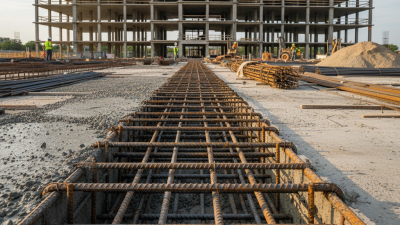
Cold rolled steel plays a vital role in modern construction and infrastructure projects. It is known for its superior strength and versatility. These properties make it ideal for structural components, such as beams and columns. According to a report by the Steel Construction Institute, cold rolled steel offers better mechanical properties than hot rolled steel, making it a preferred choice for many applications.
In high-rise buildings, cold rolled steel is essential. It provides strength while minimizing weight. This can lead to easier handling and cost savings during construction. Additionally, manufacturers reported that cold rolled steel can improve the durability of the structures. When used in facades and interior elements, it enhances aesthetic appeal. The precise dimensions allow for easier integration with other materials.
Tips: Always consider the local climate when selecting materials. Cold rolled steel can be susceptible to corrosion in coastal areas. Regular maintenance checks can help prevent issues. Using protective coatings can extend its lifespan significantly. Think about the long-term costs versus initial savings when choosing materials. Ensure you collaborate with engineers familiar with cold rolled steel applications.
Role of Cold Rolled Steel in Electrical and Electronic Equipment
Cold rolled steel plays an essential role in the electrical and electronic equipment sector. Its precise dimensions and surface finish make it ideal for various applications. This type of steel is used in transformers, which require robust materials for electromagnetic induction. The uniformity of cold rolled steel ensures efficient energy transfer, leading to better performance.
Another important use is in the production of electrical enclosures. These enclosures protect sensitive electronic components. A well-made enclosure must withstand environmental stresses. Cold rolled steel offers durability while maintaining a lightweight profile. However, not all steel is equal. Quality variations can impact the final product's reliability.
Instruments like circuit breakers and connectors also benefit from cold rolled steel. This steel allows for tight tolerances in manufacturing. It's easier to stamp and form than other materials. Yet, the process can lead to imperfections. Manufacturers must pay attention to quality control. Small defects can cause failures in electronic devices, resulting in potential safety hazards.
Maintaining strict standards is crucial for long-term success.
Cold Rolled Steel in Appliance and Consumer Goods Production
Cold rolled steel plays a vital role in the manufacturing of appliances and consumer goods. This material's superior strength and surface finish make it ideal for various applications. In 2022, the global market for cold rolled steel in appliances was valued at approximately $12 billion. It is projected to grow significantly as industries seek durable and efficient materials.
Manufacturers often choose cold rolled steel for its versatility. It provides clean edges that are essential in producing household appliances like refrigerators or washing machines. The thickness can be tailored, ensuring that the final product retains its integrity during use. Industry reports suggest that around 60% of appliances utilize cold rolled steel as a key component. This reliance raises concerns, however, about the sustainability of sourcing such materials. As production increases, so does the environmental impact.
Despite its benefits, challenges remain. The costs can vary significantly, affecting smaller manufacturers. The need for precision in production is crucial, and any defects during cold rolling can lead to significant waste. With a growing emphasis on efficiency, companies must address these issues to remain competitive. As the industry evolves, finding a balance between cost, quality, and sustainability will be essential for success.
Top 10 Uses for Cold Rolled Steel in Modern Industry
Advantages of Using Cold Rolled Steel in Precision Engineering
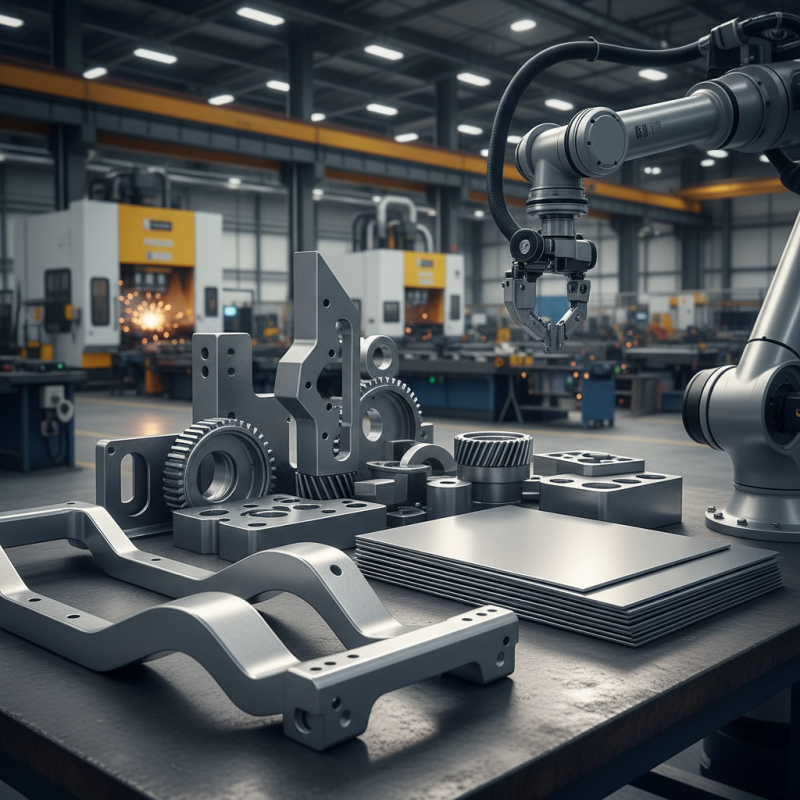
Cold rolled steel is a staple in precision engineering. Its production process enhances dimensional accuracy and surface finish. This material is ideal for applications requiring tight tolerances and robust performance. Engineers favor it for its superior mechanical properties. The result is components that stand the test of time.
One notable advantage of cold rolled steel is its excellent hardness. It can be further processed for increased strength. However, it’s important to be mindful of its brittleness. In some applications, this can lead to unexpected failures. Balancing hardness and ductility is crucial.
Another aspect to consider is its cost-effectiveness. While initially more expensive, the durability can lead to lower maintenance costs. This long-term savings may justify the investment. Ultimately, choosing cold rolled steel requires careful evaluation of project needs. Achieving the right balance can lead to superior outcomes in precision manufacturing.