What is Weathering Steel and Why is it Used?
Weathering Steel is a remarkable material known for its unique properties. It develops a protective rust layer when exposed to the elements. This natural weathering process enhances durability. Architects and builders appreciate this feature. They often use Weathering Steel for outdoor structures.
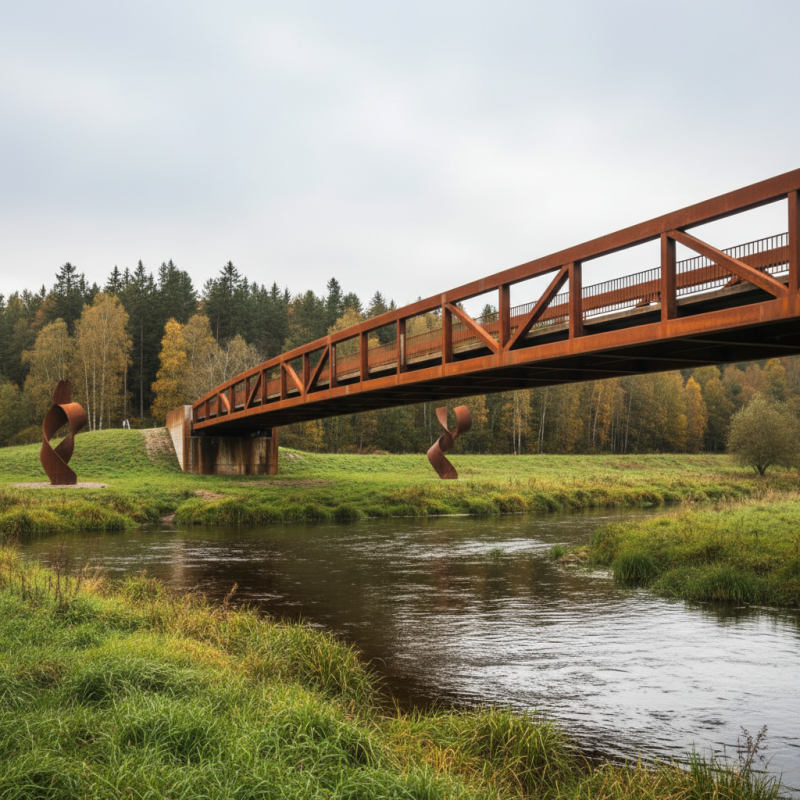
Its aesthetic appeal adds to its popularity. The rich, earthy tones evolve over time, blending with natural surroundings. Bridges and sculptures often showcase this beautiful oxidized finish. However, there are challenges to consider. Weathering Steel can be susceptible to corrosion in certain environments. Proper maintenance is crucial for longevity.
In conclusion, Weathering Steel's benefits are clear. Its longevity and beauty make it a favorite choice. Yet, careful planning is needed to avoid potential pitfalls. In the end, it’s a blend of art and engineering.
What is Weathering Steel?
Weathering steel, also known as corten steel, is a type of steel alloy that develops a protective rust layer. This layer forms a barrier, preventing further corrosion. With a unique composition, weathering steel contains copper, phosphorus, nickel, and chromium. These elements help the material resist damage from weather exposure.
Recent industry reports indicate that weathering steel can last longer than traditional carbon steel in various environments. For instance, structures made from weathering steel are often 50% more resistant to corrosion. This longevity reduces maintenance costs over time, making it a preferred choice for bridges and buildings in coastal and industrial areas.
While the benefits are clear, there are pitfalls. Improper installation can lead to inadequate rust formation. Too much moisture during application can hinder the protective layer. Additionally, some regions may experience paint adhesion issues. These complexities require careful planning and a deeper understanding of environmental factors. The use of weathering steel is a balance of its advantages and potential drawbacks that need further exploration.
What is Weathering Steel and Why is it Used?
| Attribute |
Description |
| Composition |
Alloyed steel containing copper, nickel, and chromium. |
| Properties |
Develops a protective rust layer that inhibits further corrosion. |
| Applications |
Used in bridges, buildings, and sculptures. |
| Benefits |
Low maintenance cost and long lifespan due to corrosion resistance. |
| Visual Appeal |
Aesthetic brown patina that evolves over time. |
| Environmental Impact |
Can be recycled and has a lower carbon footprint than conventional steel. |
Properties and Composition of Weathering Steel
Weathering steel is a specially engineered alloy known for its ability to withstand harsh environmental conditions. The composition often includes iron, copper, and chromium, which contribute to its durability. This steel develops a protective rust layer when exposed to moisture, which reduces corrosion over time. The unique patina gives it a distinctive appearance, making it popular in architectural designs.
The properties of weathering steel include high strength and resistance to atmospheric corrosion. These traits make it ideal for outdoor structures like bridges and sculptures. However, the protective layer may take time to form, leading to initial rust appearances. This can be concerning for some who expect instant results. It’s essential to consider the long-term benefits while accepting the temporary flaws of the early rust stages. This interesting balance brings an element of unpredictability in weathering steel applications.
Benefits of Using Weathering Steel in Construction
Weathering steel, known for its unique patina formation, is increasingly used in construction. This material develops a protective rust layer when exposed to weather. This layer prevents further corrosion, enhancing its lifespan.
One of the key benefits of weathering steel is its aesthetic appeal. It provides a rustic, earthy look that blends well with various landscapes. Projects often exhibit a rich, warm color as it weathers. This visual appeal can enhance a building's design, making it stand out. However, its appearance may not meet everyone's taste.
Cost efficiency is another advantage. Weathering steel requires less maintenance over time. Savings on paint and corrosion treatments can be significant. However, the initial costs can be higher than other materials. It forces builders to weigh short-term and long-term investments. Challenges exist in standardizing this material in various climates. Results can vary widely, leading to inconsistencies in the patina. These factors require careful consideration before choosing weathering steel for a project.
Benefits of Using Weathering Steel in Construction
Applications of Weathering Steel in Architecture and Design
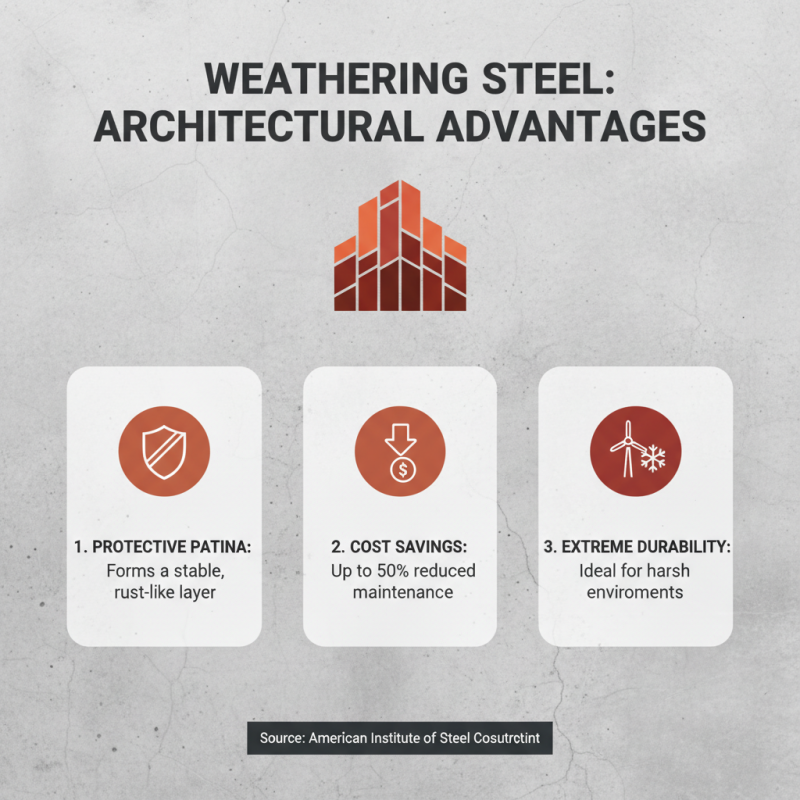
Weathering steel, known for its unique patina, is increasingly popular in architecture. This material forms a protective layer that prevents further corrosion. According to a report by the American Institute of Steel Construction, weathering steel can reduce maintenance costs by up to 50%. This durability makes it an attractive option for structures exposed to harsh climates.
In urban landscapes, weathering steel is often utilized for bridges, sculptures, and buildings. Its natural weathered appearance blends well with the environment. Some architects argue this material's aesthetic can clash with modern designs. However, its rich hues of orange and brown often create striking contrasts against glass and concrete. Projects like the High Line in New York City showcase how weathering steel can enhance public space while challenging design norms.
Despite its advantages, there are considerations. Weathering steel can require specific detailing to manage runoff. Improper application may lead to staining of adjacent materials. As designers embrace this versatile material, they must reflect on its implications. Balancing beauty with practicality is crucial in successful architectural projects. The ongoing dialogue around its use will shape future design trends.
Comparison of Weathering Steel with Traditional Steel Alloys
Weathering steel, known for its unique patina, differs substantially from traditional steel alloys. It forms a protective rust layer when exposed to the elements. This layer prevents further corrosion, making it ideal for outdoor structures. Traditional steels, on the other hand, often rely on coatings to fend off rust. These coatings can wear off over time, exposing the steel to moisture and air. This results in extensive corrosion and increased maintenance costs.
Durability is another area where weathering steel shines. Structures made from it are designed to withstand harsh weather conditions. The investment in weathering steel may seem high initially. However, its long lifespan often offsets the costs in maintenance and replacement. Traditional steel structures can require frequent inspections and repairs, adding to overall expenses.
Despite its advantages, there's a downside to consider. The color of weathering steel can change dramatically over time. This can be visually appealing for some but might not suit every design aesthetic. There’s also a risk of staining surrounding areas from runoff. So, thoughtful planning is essential. Evaluating the environmental impact is necessary before making a choice.