

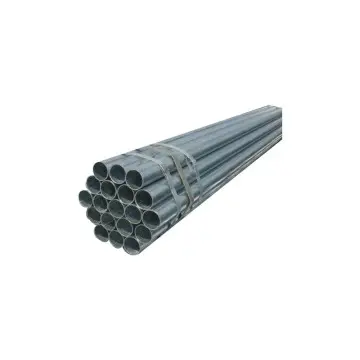
Carbon Steel Plate
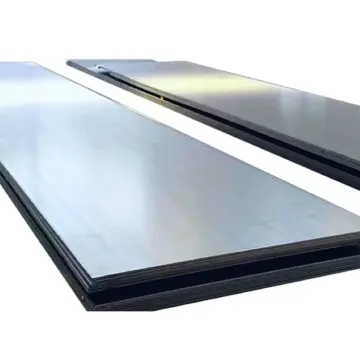
DIN 17155 Pressure Vessel Steel Plate
DIN 17155 is a German standard that specifies the requirements for pressure vessel steel plates, ensuring they can withstand high temperatures and pressures without compromising safety or performance. These plates are manufactured using advanced metallurgical processes, resulting in a product that boasts excellent weldability and formability. The steel is available in various grades, each tailored to specific applications, ensuring that you can find the perfect match for your project needs.
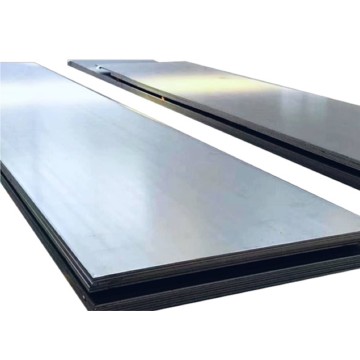
API Spec 5L Pipeline Steel Coil Steel Plate
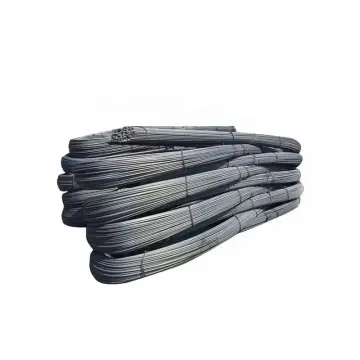
The API Spec 5L Pipeline Steel Coil is manufactured using advanced steel-making techniques, resulting in a product that boasts superior strength, flexibility, and corrosion resistance. Available in various grades, including X42, X52, X60, and X70, this steel coil is tailored to meet the specific requirements of different pipeline projects, whether they are onshore or offshore. Its robust construction allows it to withstand extreme environmental conditions, making it an ideal choice for long-distance transportation.
Moreover, the API Spec 5L Pipeline Steel Coil is designed for ease of installation and maintenance, reducing downtime and operational costs. Its lightweight nature allows for efficient handling and transportation, making it a practical choice for large-scale projects.
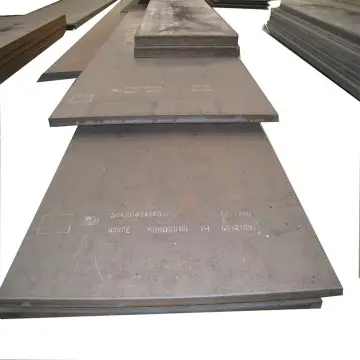
A656/S355J2 Carbon Steel Plate
The A656 steel plate is known for its impressive yield strength, which ranges from 58 to 70 ksi, depending on the thickness. This characteristic ensures that structures can withstand heavy loads and extreme conditions without compromising integrity. Coupled with its excellent impact resistance, the A656/S355J2 plate is particularly suited for environments where resilience is paramount, such as in bridges, cranes, and other heavy-duty applications.
One of the key advantages of the A656/S355J2 steel plate is its versatility. It can be easily fabricated and welded, allowing for seamless integration into various designs and structures. This adaptability not only streamlines the construction process but also enhances the overall efficiency of projects. Additionally, the steel plate is available in a range of thicknesses, catering to the specific needs of different applications.
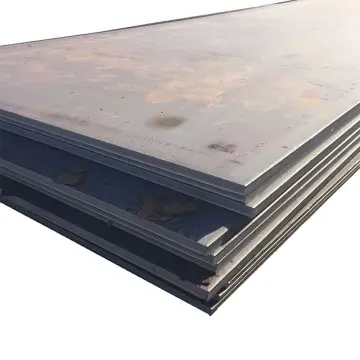
A572/S355JR Carbon Steel Plate
A572 steel plate, primarily used in the United States, is known for its impressive yield strength, which ranges from 42 to 65 ksi, depending on the grade. This makes it an ideal choice for structural applications, including bridges, buildings, and heavy equipment. Its versatility allows it to be used in various environments, from mild to moderate corrosive conditions, ensuring durability and reliability.
Both A572 and S355JR steel plates are available in various thicknesses and dimensions, catering to the specific needs of your project. Whether you are constructing a high-rise building, a bridge, or any other heavy-duty structure, these steel plates provide the strength and resilience required to ensure safety and performance.
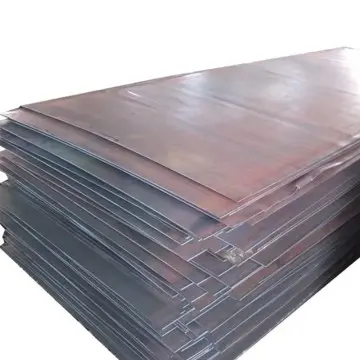
A283/Q195 carbon steel plate for machinery parts
The A283 steel plate is known for its excellent weldability and formability, which allows it to be easily shaped and joined to create complex structures. With a yield strength of approximately 205 MPa, it provides the necessary support for buildings, bridges, and other infrastructure projects. Its low carbon content ensures that it maintains good ductility, making it suitable for applications that require bending and shaping without compromising integrity.
Both A283 and Q195 steel plates are available in various thicknesses and dimensions, allowing for customization to meet specific project requirements. Their compatibility with standard fabrication processes ensures that they can be seamlessly integrated into existing workflows.

A36/Q235/S235JR Carbon Steel Plate
The A36 steel plate, a standard specification by ASTM, is widely recognized for its excellent weldability and machinability. It boasts a minimum yield strength of 36,000 psi, making it ideal for structural components in buildings, bridges, and other heavy-duty applications. Similarly, the Q235 steel plate, a Chinese standard, offers comparable properties, ensuring reliability and performance in diverse environments. The S235JR steel plate, compliant with European standards, further enhances this lineup with its impressive mechanical properties, making it suitable for a variety of structural applications.