

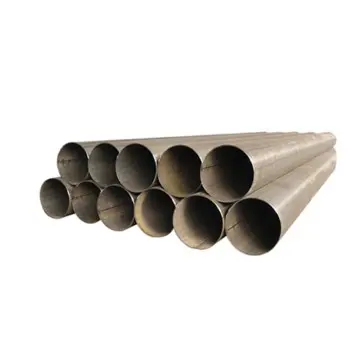
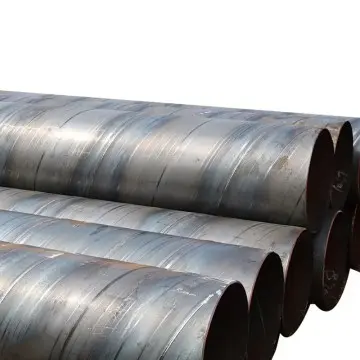
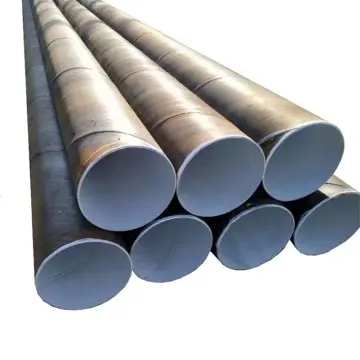
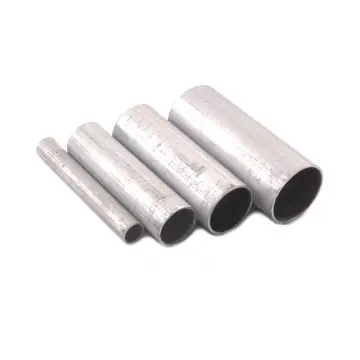
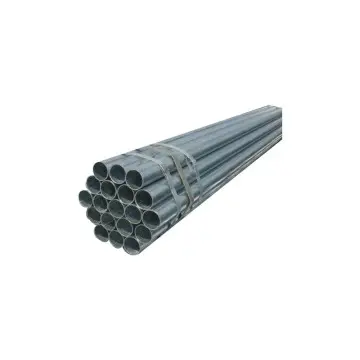


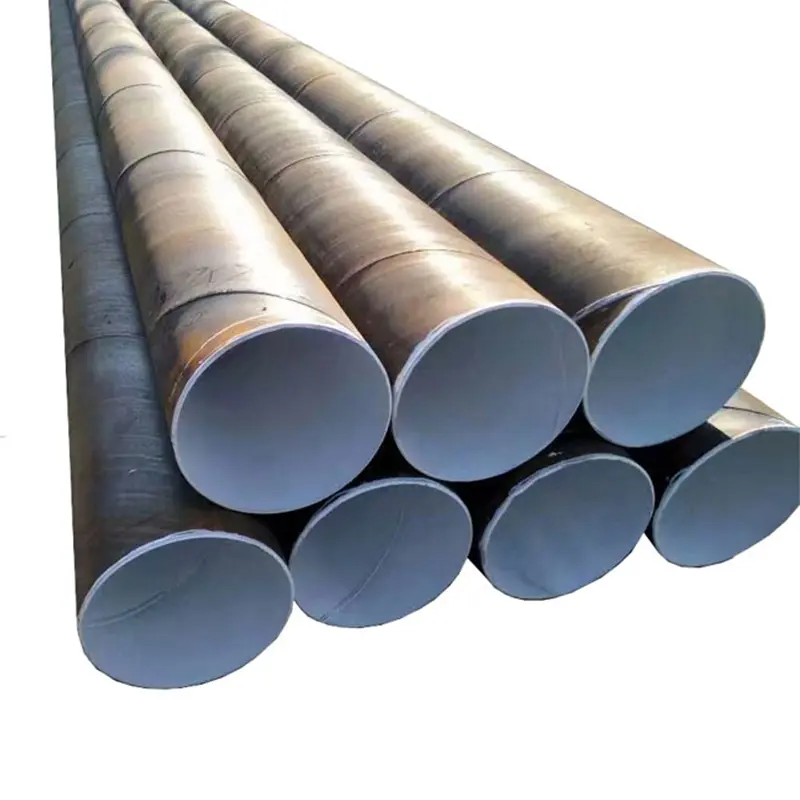
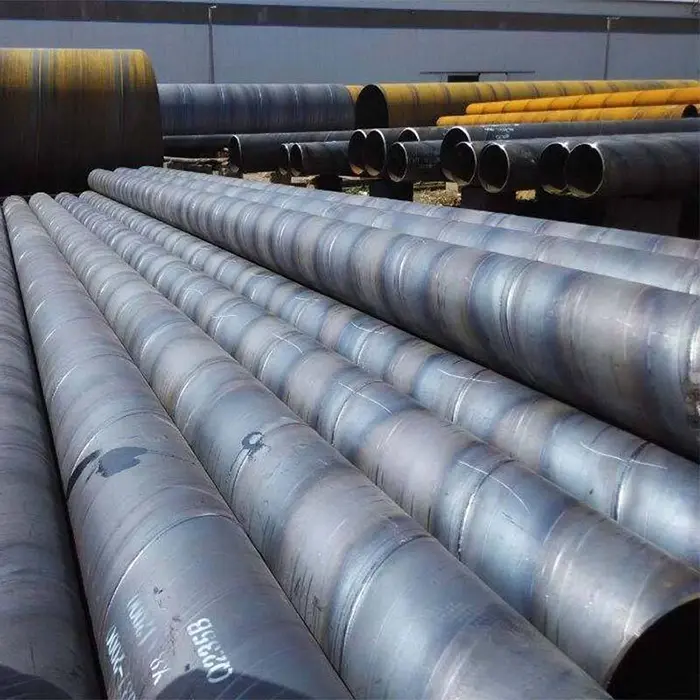
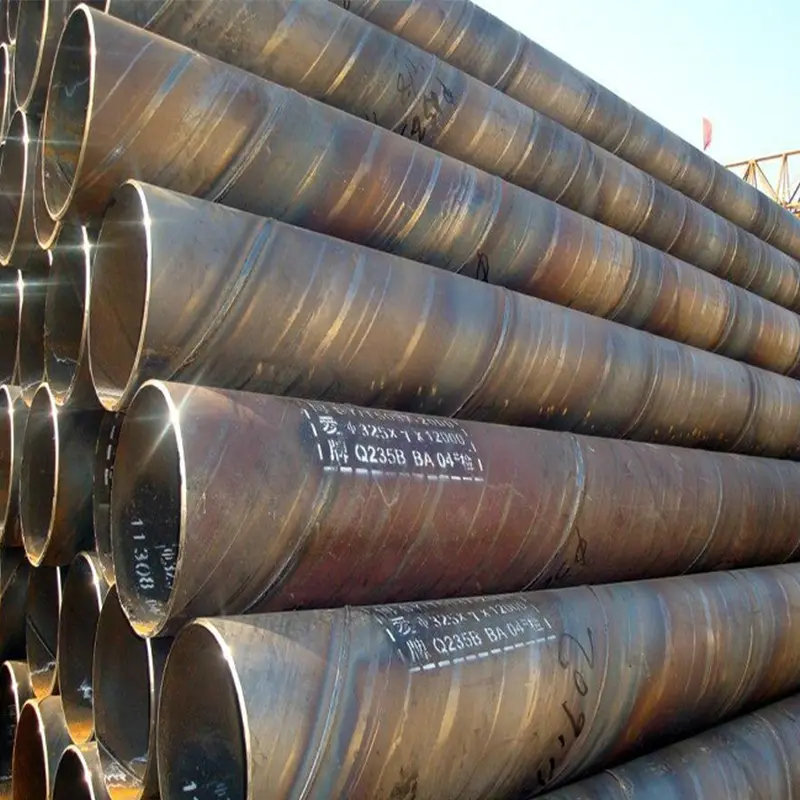
Spiral welded pipe-important pipe selection
specification
|
Product Name |
Spiral welded pipe |
|
Standard |
ASTM,JIS,DIN,GB,AISI,DIN,EN |
|
Material |
API 5L、ASTM A53、Q235、304、316、321、16Mn、20Cr、35CrMo、Q345、Q195 |
|
Outer diameter range |
Small diameter spiral welded pipe: The outer diameter is generally less than 219mm (about 8.6 inches). Medium diameter spiral welded pipe: The outer diameter is generally between 219mm and 720mm (approximately 8.6 inches to 28.3 inches). Large diameter spiral welded pipe: The outer diameter is generally above 720mm (about 28.3 inches), and the common outer diameter can reach 1200mm (about 47.2 inches) or larger. |
|
Thickness range |
Small diameter spiral welded pipe: Wall thickness is generally between 3mm and 10mm. Medium diameter spiral welded pipe: Wall thickness is generally between 5mm and 20mm. Large diameter spiral welded pipe: Wall thickness is generally between 6mm and 30mm, and can be even thicker, depending on design requirements and usage environment. Common wall thickness standards: API 5L: wall thickness usually ranges from 5.0mm to 25.4mm depending on grade and outer diameter. ASTM A53: Wall thickness is usually between 3.2mm and 12.7mm. |
|
Length range |
The longest length is 12 meters, and can be customized by customers |
|
Error |
±1% |
|
Certification |
ISO 9001 ,CE,API |
|
Surface treatment |
Hot dip galvanizing、Cold galvanizing、Spraying、Painting、Painting、Polishing、Pickling、Anti-corrosion coating、Electroplating |
|
Country of origin |
China |
|
Main Applications |
1.Oil and Gas Transmission: Spiral welded pipes are widely used in oil and gas pipelines and can withstand high pressure and harsh environments. |
|
2.Water Conservancy Project: Used in water transport, irrigation and drainage systems, suitable for the construction of large diameter pipelines. |
|
|
3.Architecture and Structure: In the construction industry, spiral welded pipes can be used for supports and frames of steel structures, bridges, towers, etc. |
|
|
4.Chemical Industry: Pipes used for conveying chemical media, especially in environments where corrosion resistance is required. |
|
|
5.Power Industry: Used in power transmission and construction of power facilities, such as cooling water pipelines, etc. |
|
|
6.Mining: Spiral welded pipes are also widely used in mining and mineral transportation |
|
|
7.Municipal Engineering: Used in municipal infrastructure such as urban water supply, drainage and sewage treatment. |
|
|
8.Transportation: In transportation facilities, such as tunnels, bridges, etc., spiral welded pipes can also be used as supporting structures. |
|
|
Package |
Simple packaging, reinforced packaging, wooden frame, metal frame, pallet, wrapping |
|
Payment Term |
TT, LC,Cash, Paypal, DP, DA,Western Union or Others. |
|
After-sales service |
1. Quality assurance period 2. Return and exchange policy 3. Delivery and acceptance assistance 4. Customer feedback collection |
Product Display
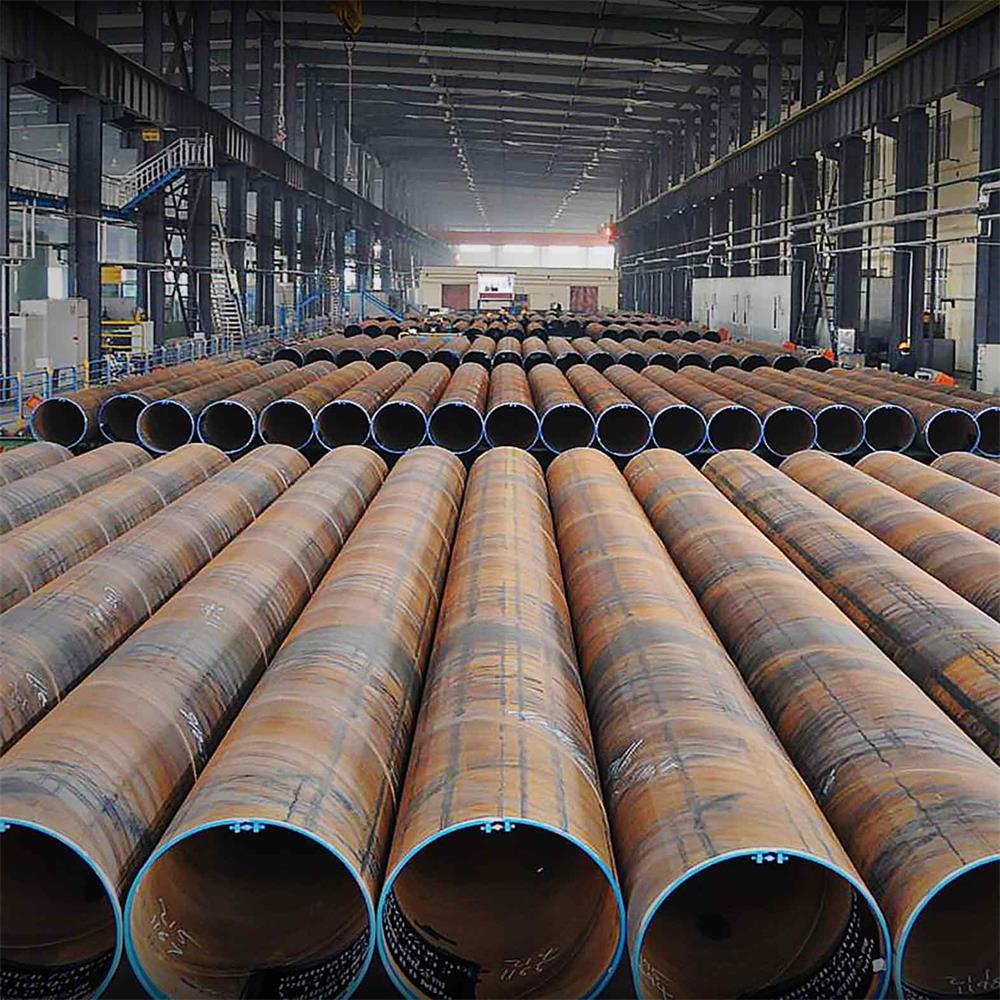
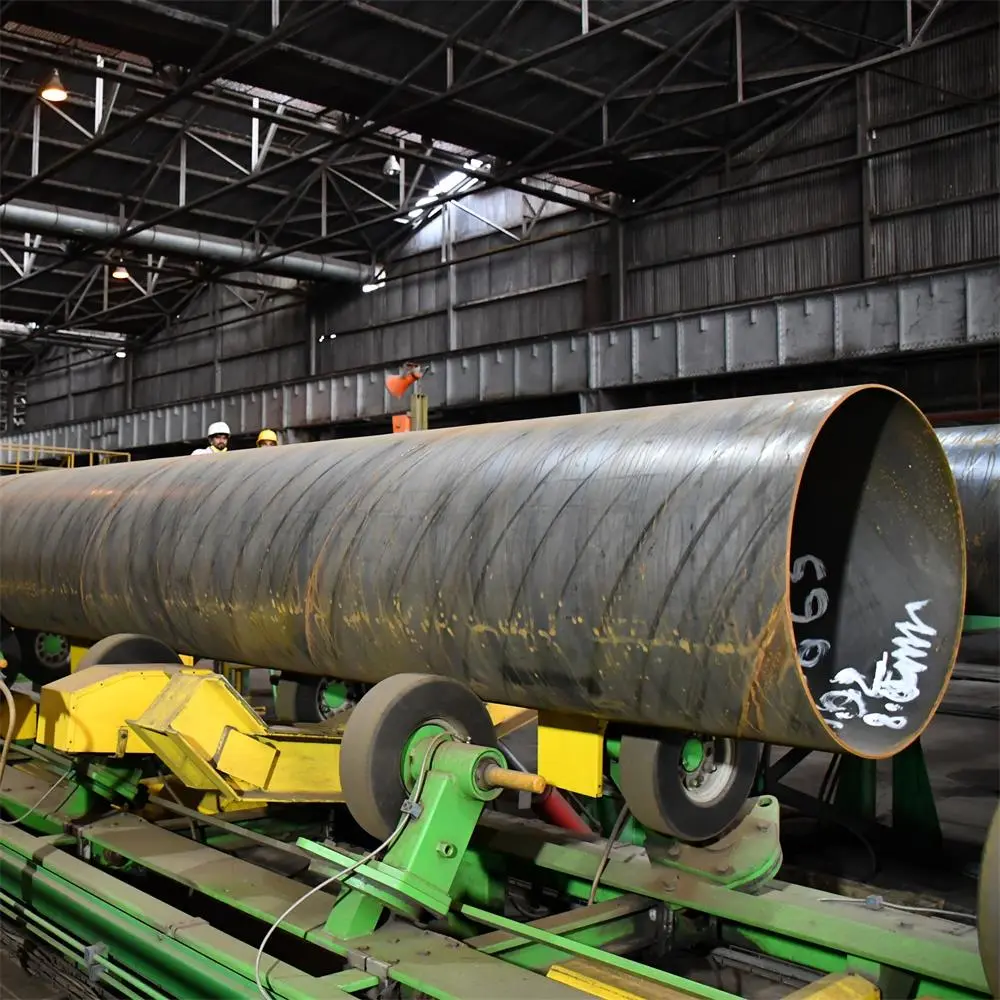
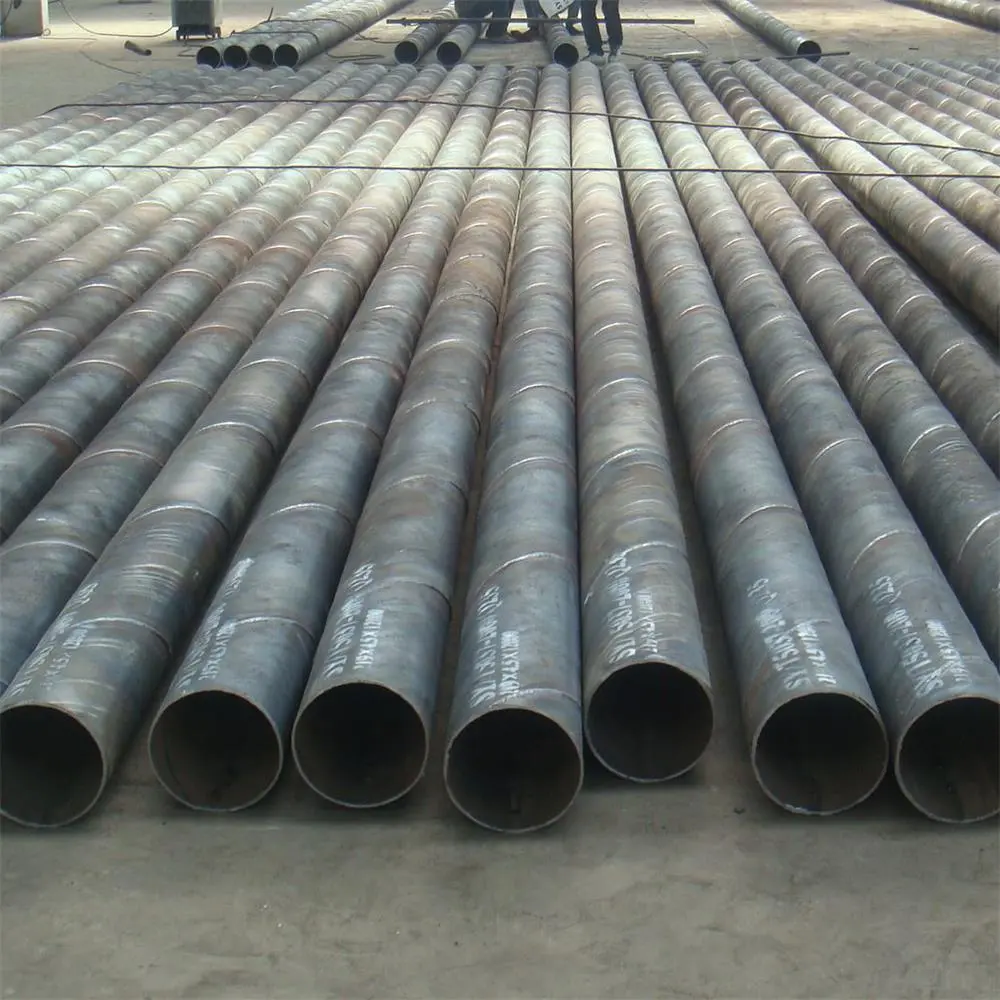
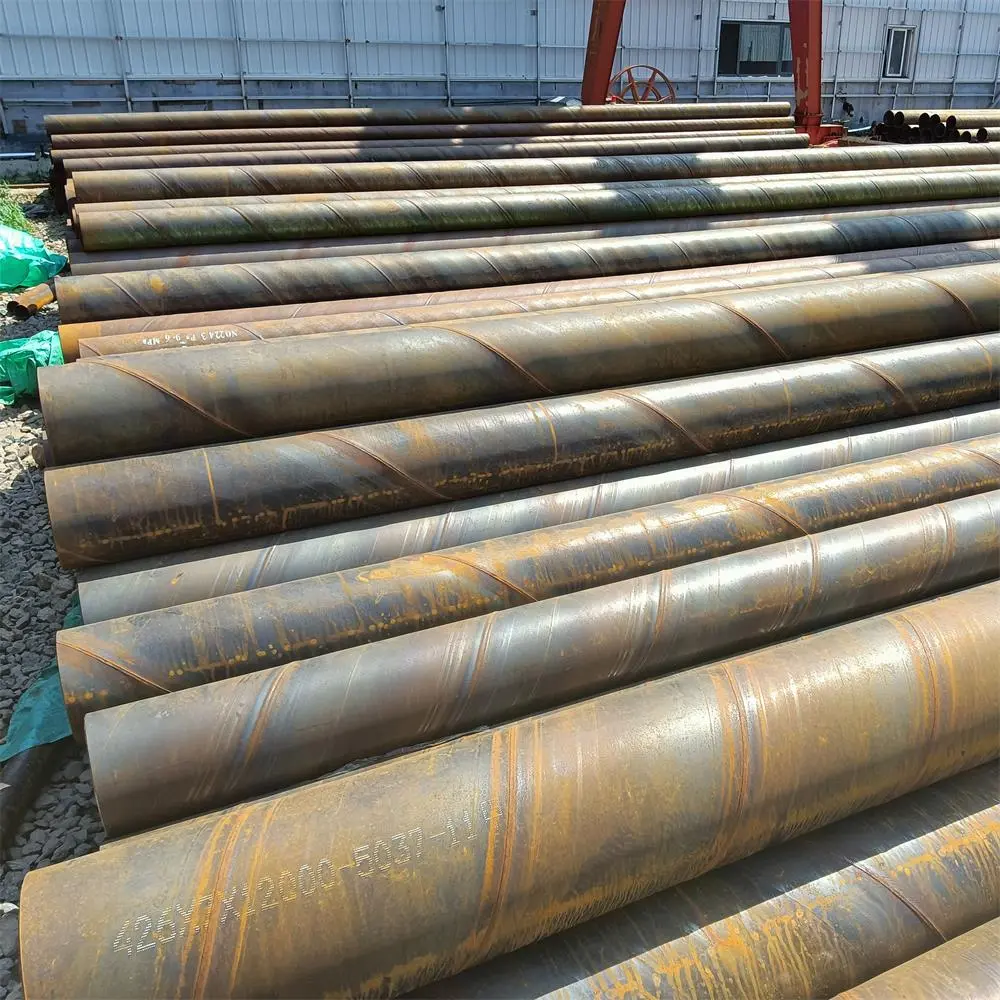
Classification of spiral welded pipe
1.Classification by material:
Carbon steel spiral welded pipe: such as Q235, Q345, etc., widely used in construction and pipelines.
Alloy steel spiral welded pipe: such as 16Mn, 20Cr, etc., suitable for high strength and special environment.
Stainless steel spiral welded pipe: such as 304, 316, etc., suitable for occasions with high corrosion resistance requirements.
Galvanized spiral welded pipe: Galvanizing is applied to the surface of carbon steel pipe to improve corrosion resistance.
2.Classification by outer diameter:
Small diameter spiral welded pipe: The outer diameter is generally below 219mm.
Medium diameter spiral welded pipe: outer diameter is between 219mm and 720mm.
Large diameter spiral welded pipe: The outer diameter is above 720mm, and the common ones can reach 1200mm or larger.
3.Classification by wall thickness:
Thin-wall spiral welded pipe: The wall thickness is generally between 3mm and 10mm.
Medium-thick wall spiral welded pipe: The wall thickness is generally between 5mm and 20mm.
Thick wall spiral welded pipe: The wall thickness is generally between 6mm and 30mm, or even thicker.
4.Classification by purpose:
Transmission pipeline: used for the transportation of oil, natural gas, water, etc.
Structural pipe: used for structural support of buildings, bridges, etc.
Chemical pipeline: used to transport chemical media.
5.Classification by welding method:
Longitudinal welded pipe: The welded seam runs along the length of the pipe.
Spiral welded pipe: The welded seam is spiral-shaped, suitable for large diameter pipes.
6.Classification by standard:
API 5L: Standard for oil and gas transportation.
ASTM A53: Standard for steel pipes for general use.
Advantages
High strength and pressure bearing capacity:
The spiral welded pipe has a spiral welded seam, which can effectively disperse stress and enhance the overall strength of the pipe, making it suitable for applications with high pressure.
Adapt to large-caliber production:
Spiral welded pipes can produce pipes with larger diameters, which are suitable for occasions where large diameter pipes are required, such as oil, natural gas and water transportation.
Good welding performance:
The spiral welding process makes the pipe welding quality high, the weld is uniform, and reduces the occurrence of welding defects.
Economical:
The production process of spiral welded pipe is relatively simple, with high material utilization rate and low production cost, which is suitable for large-scale production.
Flexible specifications and sizes:
Spiral welded pipes can be customized with different outer diameters, wall thicknesses and lengths according to customer needs to meet diverse application requirements.
Corrosion resistance:
Through surface treatment (such as galvanizing, spraying, etc.), the spiral welded pipe can improve corrosion resistance and is suitable for harsh environments.
Good seismic performance:
The structural design of spiral welded pipes enables them to have good seismic resistance in natural disasters such as earthquakes, making them suitable for use in important infrastructure.
Wide range of applications:
Spiral welded pipes are widely used in many industries such as petroleum, natural gas, water conservancy, chemical industry, construction, etc. and have strong adaptability.
Environmental protection:
The materials and production processes used are relatively environmentally friendly and meet the requirements of modern industry for sustainable development.
Production process
1.Raw material preparation
Select appropriate steel coil as raw material, usually hot-rolled or cold-rolled steel strip, and ensure that its chemical composition and mechanical properties meet the standard requirements.
2.Cutting and forming
The steel coil is cut into strips of the required width, and then the strips are rolled into a spiral shape by a forming machine. During the forming process, the edges of the strips are heated for subsequent welding.
3.Welding
During the forming process, the edges of the steel strip are welded by arc welding or high frequency welding to form a spiral weld. The temperature and welding speed need to be controlled during the welding process to ensure the quality of the weld.
4.Cooling Down
After welding, the pipe will go through a cooling process to reduce the temperature of the weld and ensure the quality of the weld.
5.Test
Carry out quality inspection on spiral welded pipes after welding, including visual inspection of welds, non-destructive testing (such as ultrasonic testing, radiographic testing, etc.) and dimensional measurement to ensure that they meet relevant standards.
6.Surface treatment
According to customer needs and use environment, the spiral welded pipe is surface treated, such as hot-dip galvanizing, spraying, painting, etc., to improve its corrosion resistance and aesthetics.
7.Cutting and Packaging
Cut qualified spiral welded pipes into required lengths and pack them for shipment.
8.Shipping
Transport the finished spiral welded pipes to the customer’s designated location to complete the entire production process.