2026 Best Nickel Alloy Steel Pipe for Global Buyers Guide?
Choosing the best Nickel Alloy Steel Pipe can be challenging for global buyers in 2026. Industry expert Dr. Emily Hart states, "The quality of nickel alloy pipes directly impacts their performance and longevity." This highlights the essential role of selecting high-quality products.
Nickel Alloy Steel Pipes are crucial in various sectors, including oil and gas, aerospace, and chemical processing. These materials offer excellent corrosion resistance and strength. However, not all suppliers meet the strict standards required for these applications.
As buyers navigate this market, they face numerous challenges. Different specifications, varying quality levels, and inconsistent prices complicate their decision-making. Buyers must remain vigilant. Understanding the industry’s best practices and focusing on reliable suppliers can help ensure that they make informed choices. The goal is to find pipes that perform well under extreme conditions.
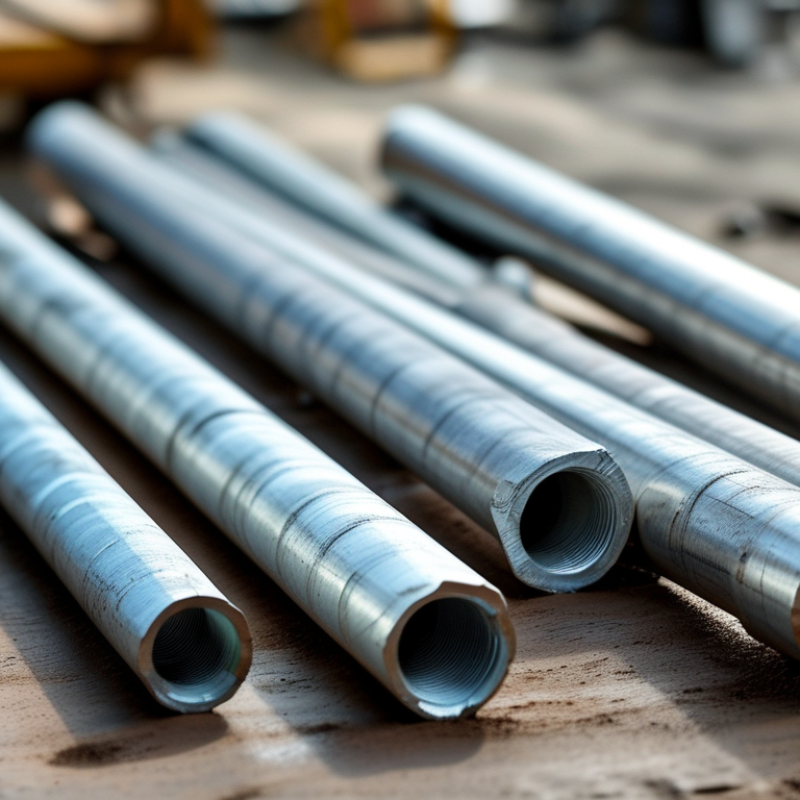
Overview of Nickel Alloy Steel Pipes and Their Industrial Applications
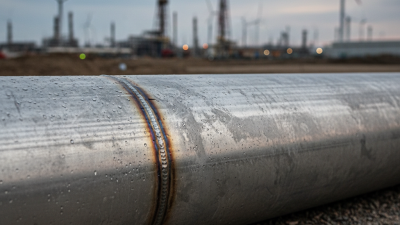
Nickel alloy steel pipes have gained significant traction across various industries. Their unique properties, such as excellent corrosion resistance and high-temperature strength, make them indispensable in sectors like oil and gas, chemical processing, and aerospace. These pipes can withstand harsh environments, delivering performance where standard steel fails.
In the oil and gas industry, nickel alloy steel pipes are crucial. They transport fluids in high-pressure settings and extreme temperatures. Their exceptional strength ensures safety and reliability. Similarly, in chemical processing, these pipes resist attacks from aggressive substances, prolonging equipment life. However, there are challenges in sourcing these materials. Availability can fluctuate, impacting timelines for projects.
While nickel alloy steel pipes offer numerous advantages, they are not without drawbacks. Their higher cost compared to regular steel can be a barrier for some buyers. Additionally, welding and fabrication require expert knowledge to avoid performance issues. Maintaining quality and oversight is vital. Many still struggle to find reliable suppliers who provide high-quality materials consistently.
2026 Best Nickel Alloy Steel Pipe for Global Buyers Guide
| Pipe Grade |
Chemical Composition |
Applications |
Typical Size Range (inches) |
Temperature Resistance (°C) |
| Alloy 600 |
Ni: 72%, Cr: 15%, Fe: 8% |
Chemical processing, aerospace, nuclear |
1/4 to 36 |
-254 to 1,000 |
| Alloy 625 |
Ni: 58%, Cr: 20%, Mo: 8% |
Marine, oil and gas, chemical processing |
1/2 to 24 |
-196 to 1,000 |
| Alloy 718 |
Ni: 52%, Cr: 19%, Mo: 3% |
Aerospace, gas turbine components |
1 to 18 |
-254 to 700 |
| Alloy 825 |
Ni: 38%, Cr: 20%, Mo: 3% |
Chemical processing, pollution control, oil and gas |
3/4 to 12 |
-30 to 540 |
Key Properties and Benefits of Nickel Alloy Steel in Pipe Manufacturing
Nickel alloy steel pipes are gaining traction in various industries due to their excellent properties. They resist extreme temperatures and corrosion. This makes them ideal for oil and gas extraction, chemical processing, and marine applications. According to a 2022 industry report, the global nickel alloy steel market is expected to grow by 5% annually through 2026. This growth is spurred by rising demand for durable and high-performance materials.
One key benefit of nickel alloy steel pipes is their increased strength. These pipes can withstand high-pressure environments, making them a reliable choice for critical applications. Their fatigue resistance also enhances longevity, leading to lower replacement costs. A recent study highlighted that using nickel alloy pipes can extend equipment life by up to 30%, optimizing operational efficiency.
**Tip:** Regularly inspect pipes for signs of wear. Early detection can prevent costly failures. Also, consider the specific alloy combination for your application. Different compositions offer unique benefits, so investing time in research is essential.
Proper welding techniques are crucial for maintaining the integrity of nickel alloy pipes. Incorrect welding can lead to weaknesses and failures. Investing in trained personnel can significantly improve outcomes in challenging environments.
2026 Best Nickel Alloy Steel Pipe Properties
Comparative Analysis of Top Nickel Alloy Steel Pipe Grades for Buyers
Nickel alloy steel pipes are essential in various industries due to their strength and corrosion resistance. In a comparative analysis of different grades, key factors emerge. The most common grades include Inconel 625, Inconel 825, and Monel 400. Each has specific properties suited for distinct applications. For instance, Inconel 625 is ideal for high-temperature environments, while Monel 400 excels in marine applications.
Tips: When selecting a nickel alloy pipe, assess the environmental conditions. This includes temperature, pressure, and exposure to corrosive elements. Understanding these factors ensures longevity and performance.
Market reports indicate that nickel alloy steel pipe demand is rising, with a projected growth rate of 5.1% over the next five years. These reports emphasize the importance of choosing the right grade for the intended use. Make sure to consult industry specifications and standards. This approach minimizes potential operational failures.
Tips: Regular inspections of your pipe system can prevent unexpected failures. Stay informed about updates in alloy compositions and industry standards. Ensure compliance with safety regulations for maximum reliability.
Factors to Consider When Selecting Nickel Alloy Steel Pipes for Projects
When selecting nickel alloy steel pipes for projects, understanding the properties is essential. Nickel alloy steel offers excellent corrosion resistance and high temperature strength. These factors make it suitable for harsh environments. It is crucial to consider the specific application. Each project may have unique requirements.
Another important aspect is the pipe size and thickness. Dimensions directly impact pressure ratings and flow rates. Therefore, precise measurements are necessary. In some cases, the manufacturing process can affect the material's properties. Welded versus seamless options may behave differently under stress. Ultimately, evaluating the intended use can guide buyers toward the right choice.
Buyers should also consider the supplier's reputation. Reliable suppliers have a proven track record. They should provide detailed specifications and certifications. This transparency helps in assessing quality. Certain projects may require compliance with industry standards. Verifying adherence to these standards can prevent future issues. Making informed decisions is vital for successful project outcomes.
Global Market Trends and Future Outlook for Nickel Alloy Steel Pipelines
The nickel alloy steel pipeline market is evolving rapidly. As industries seek durability and resistance to harsh environments, nickel alloys gain prominence. These materials offer exceptional resistance to corrosion and high temperatures. This is crucial in sectors like oil and gas, where pipelines face extreme conditions.
Market trends indicate a growing demand, driven by infrastructure projects globally. However, there are challenges. Supply chain disruptions and fluctuating raw material costs can impact accessibility. Companies must adapt by diversifying sources and optimizing production methods. It's essential for stakeholders to stay informed about these developments to remain competitive.
Looking ahead, sustainability will shape the future of nickel alloy pipelines. Eco-friendly practices and recycling efforts will gain traction. Industries must address the carbon footprint while maintaining performance standards. As the market matures, the focus will shift towards innovation, enhancing the efficiency of nickel alloys without compromising essential qualities.