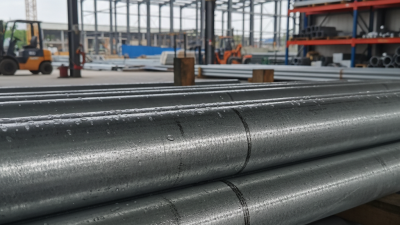
How to Choose the Best Hot Rolled Steel Bar for Your Needs?
Choosing the right Hot Rolled Steel Bar is crucial for various applications in construction and manufacturing. The global hot rolled steel market is projected to grow at a CAGR of around 3.5% from 2023 to 2028, according to industry reports. This growth indicates an increasing demand for quality steel products. However, not all hot rolled steel bars meet the same standards.
Reliability and strength are vital characteristics of hot rolled steel. In structural applications, tensile strength and ductility are essential. The mechanical properties of these bars can significantly vary among manufacturers. A comprehensive analysis of product specifications can ensure a proper selection. Industry studies show that a small percentage of steel products may not pass quality tests. So, it's important to research suppliers and verify certifications.
Furthermore, understanding your specific needs is essential. Different projects require varying sizes, grades, and finishes. Failure to select the appropriate hot rolled steel bar can lead to costly errors. Staying informed about these details helps make better decisions. In an evolving market, keeping track of your options can lead to improved project outcomes.
Understanding Hot Rolled Steel Bars: Definition and Characteristics
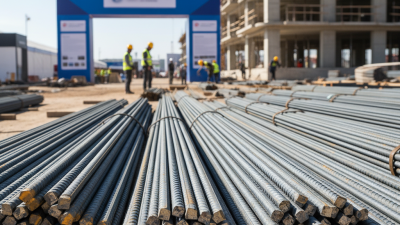
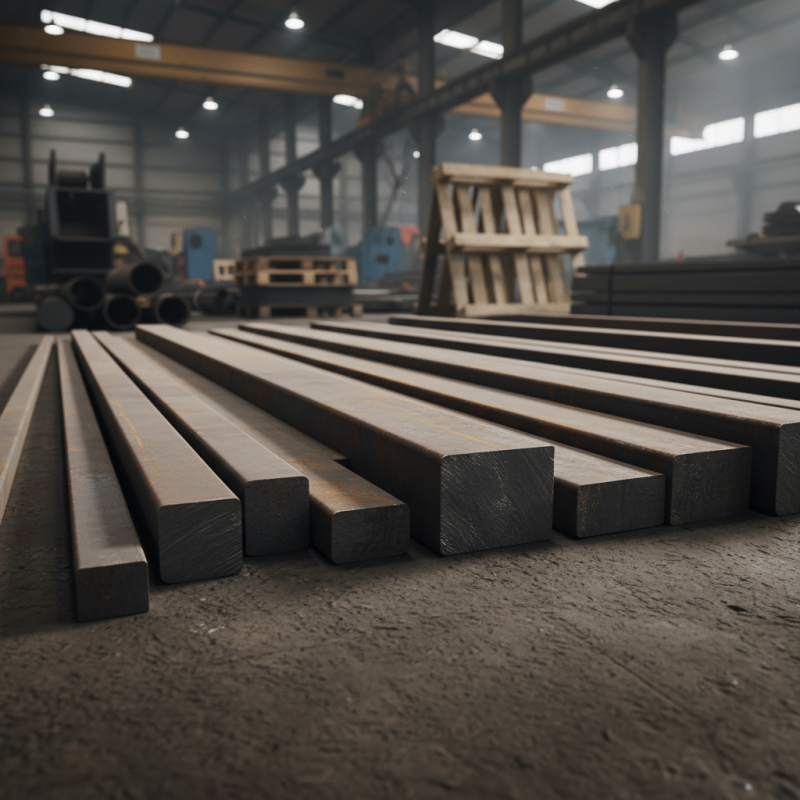
Hot rolled steel bars are versatile materials widely used in construction and manufacturing. They are made by rolling steel at high temperatures, giving them unique characteristics. These bars exhibit excellent strength, ductility, and weldability. According to the World Steel Association, the production of hot rolled steel accounted for over 60% of the total steel output in 2022, highlighting its significance in various industries.
When choosing hot rolled steel bars, consider the specific requirements of your project. Different grades of steel can offer unique benefits based on their chemical compositions and mechanical properties. For instance, low carbon steel bars are ideal for structural applications, while alloy steel bars provide enhanced durability for heavy machinery. It's crucial to choose the right grade to ensure optimal performance.
Tips: Always consult industry standards when selecting hot rolled steel. ASTM A36 is a common specification that ensures quality for structural applications. Regularly check for certifications from suppliers. Quality control measures can sometimes be overlooked, leading to structural failures. Keeping a keen eye on traceability and proper documentation can minimize risks in your projects.
How to Choose the Best Hot Rolled Steel Bar for Your Needs?
| Characteristic |
Details |
| Definition |
Hot rolled steel bars are steel products that have been subjected to processing at high temperatures, above the recrystallization temperature of the steel. |
| Applications |
Commonly used in construction, manufacturing of machinery, automotive parts, and various structural applications. |
| Advantages |
Cost-effective production, greater ductility, and better mechanical properties when compared to cold-rolled steel. |
| Disadvantages |
Higher surface roughness, and lower dimensional accuracy than cold-rolled steel products. |
| Heat Treatment |
Hot rolled steel bars may not require extensive heat treatment but depending on the application, they can undergo processes like quenching and tempering for improved properties. |
| Common Grades |
Common grades include ASTM A36, ASTM A992, and various tool steel grades. |
| Finishes |
Typically available in mill finish, but can be sandblasted or coated for added protection. |
Identifying Your Project Requirements for Hot Rolled Steel Bars
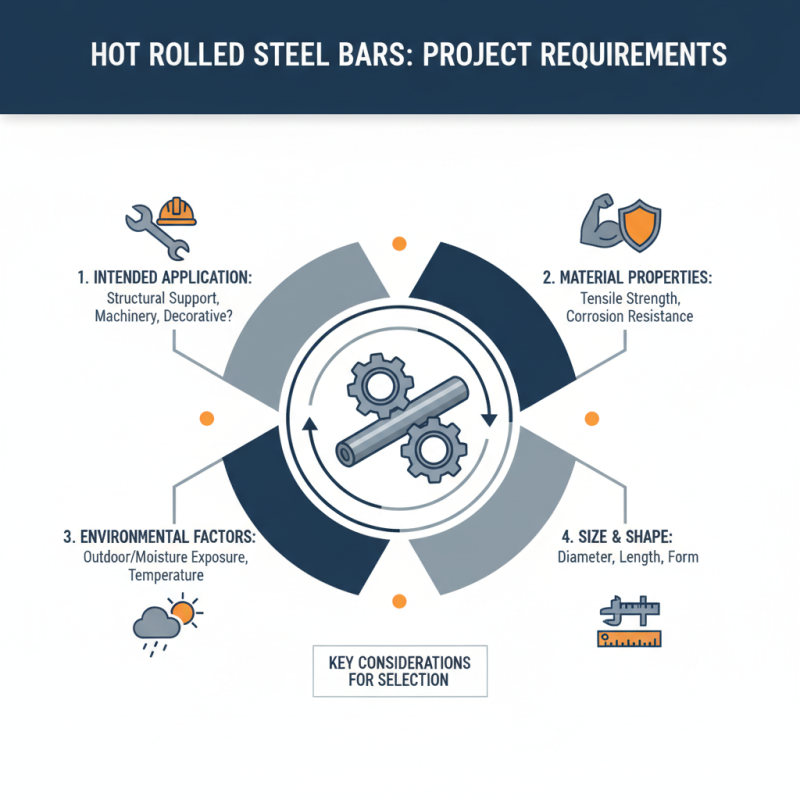
When tackling a project that requires hot rolled steel bars, it's crucial to thoroughly identify your specific needs. Consider the intended application of the steel bars. Are they for structural support, machinery, or perhaps decorative purposes? Each use case demands different properties, such as tensile strength and corrosion resistance. For instance, if you need the bars for outdoor use, consider factors like exposure to moisture.
Next, assess the dimensions and weight specifications that best fit your project. Hot rolled steel bars come in various sizes and thicknesses. Ensure you know the load requirements your project entails. A miscalculation here can lead to structural failures or unnecessary expenses. Additionally, review the surface finish of the bars. A rough finish might be suitable for some applications, but smoother options could be necessary for others.
Reflect on your budget as well. Prices can vary widely based on size and material quality. Balancing your quality requirements with your budget constraints can be challenging. It’s essential to weigh the long-term benefits of investing in higher-quality steel against the impact of potential short-term savings. Taking the time to evaluate these details will help you make informed decisions that suit your project best.
Comparing Different Grades of Hot Rolled Steel Bars
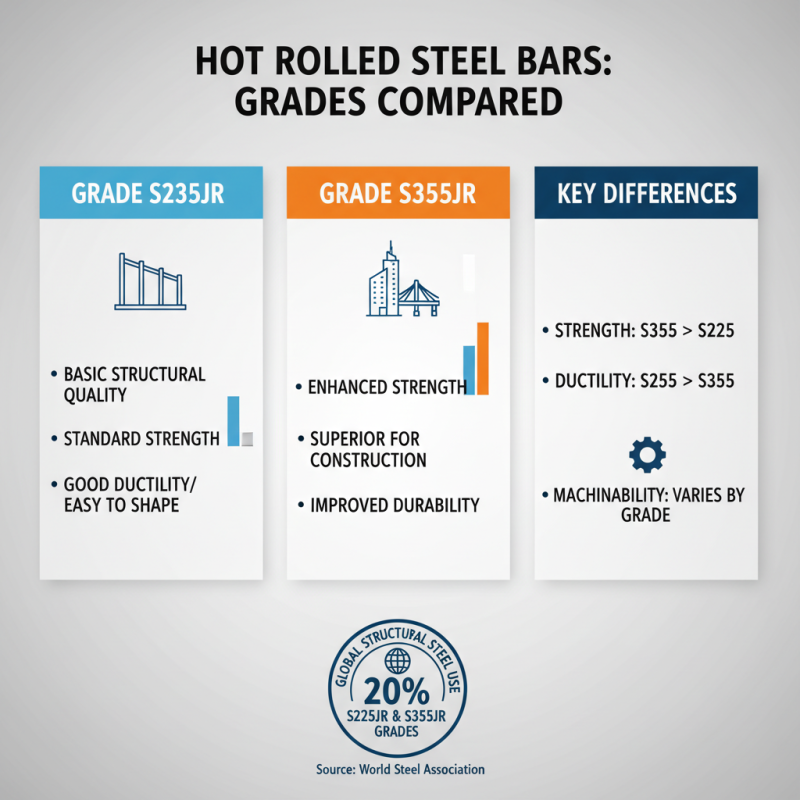
When selecting the right hot rolled steel bar, understanding grades is key. Hot rolled steel bars come in various grades, which affect their strength, ductility, and machinability. For instance, Grade S235JR offers basic structural qualities, while S355JR provides better strength and is frequently used in construction. According to a report by the World Steel Association, around 20% of all structural steel used globally falls within these grades.
Choosing the right grade depends on the application. Lower grades may suffice for less demanding projects. Meanwhile, higher grades can withstand more stress and harsher environments. Industry professionals often recommend S275 as a versatile option for construction and manufacturing. The yield strength of S275 steel is approximately 275 MPa, making it suitable for many structural applications. However, sourcing steel that meets specific project requirements may pose challenges.
Tip: Always verify certification and compliance with local standards. A lack of documentation can lead to performance issues later on. Remember to consider fabrication needs. Some grades may not respond well to welding, impacting the overall project outcome. Be aware and evaluate your choices diligently.
Evaluating Supplier Quality and Reputation for Hot Rolled Steel
When selecting a supplier for hot rolled steel bars, evaluating quality and reputation is crucial. According to the World Steel Association, over 1.5 billion tons of steel are produced each year, making it essential to choose suppliers who meet high standards. Quality certifications such as ISO 9001 can indicate a supplier's commitment to quality management.
Consider reviews and testimonials from past customers. A supplier with a strong reputation often reflects reliability and consistent product quality. Research shows that about 70% of buyers trust online reviews as much as personal recommendations. Additionally, an established supplier typically invests in better production processes, resulting in fewer defects and superior steel products.
Physical inspections of the steel bars should not be overlooked. Check for surface imperfections or dimensional inaccuracies. According to industry reports, nearly 15% of hot rolled products can have quality issues. Engaging with suppliers about their quality assurance processes can reveal valuable insights into their practices. Transparency in these matters is a good indicator of a supplier's integrity and professionalism.
Cost Considerations: Budgeting for Hot Rolled Steel Bar Purchases
When budgeting for hot rolled steel bar purchases, it’s important to understand various cost factors. Prices can fluctuate based on market demand, supplier, and quantity. Many buyers overlook additional expenses such as shipping and handling. These hidden costs can significantly affect your total budget.
Budgeting can feel daunting, especially when you're unsure about your needs. Consider the specifications required for your projects. A clear understanding of dimensions, grades, and quantities will help you avoid overspending. Compare quotes from different suppliers to gather insights into pricing trends.
Tips: Always keep an eye on market trends. Prices might drop or rise unexpectedly. If you're unsure about your choice, consult with industry experts. They can provide valuable insights that can save you money. Sometimes, buying in bulk can lead to significant savings. However, assess your actual needs to avoid over-purchasing.
Cost Comparison of Hot Rolled Steel Bars