What is Galvanized Steel Pipe and Its Benefits for Buyers?
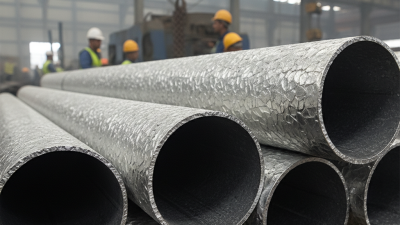
Galvanized Steel Pipe is a popular choice for various construction and industrial applications. This type of pipe undergoes a coating process that enhances its corrosion resistance. As a result, it offers better longevity compared to regular steel pipes. Buyers seeking durability often find galvanized steel an ideal option.
The benefits of using Galvanized Steel Pipe extend beyond its physical properties. Its resistance to weather and environmental degradation makes it suitable for outdoor applications. Furthermore, this pipe type is often lighter, making installation easier. Buyers appreciate the cost-effectiveness of using galvanized steel in their projects.
While galvanized steel is highly reliable, some drawbacks need consideration. The coating can wear off over time, potentially exposing the pipe to rust. This aspect may lead to maintenance challenges in the long term. Overall, understanding these factors helps buyers make informed decisions regarding their purchases.
Definition and Composition of Galvanized Steel Pipe
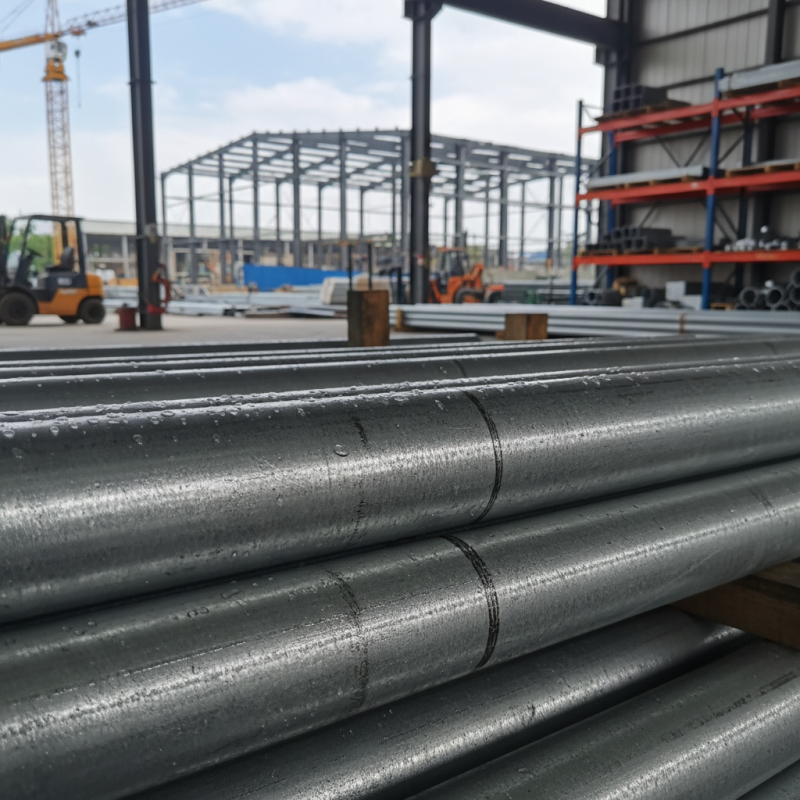
Galvanized steel pipe is a widely used construction material. It combines iron or steel with a zinc coating. This process prevents corrosion, resulting in a durable product. According to industry studies, galvanized steel pipes can last over 50 years with proper care. This longevity contributes to lower maintenance costs for buyers.
The composition of galvanized steel pipe typically includes around 98% iron and 2% zinc. The zinc is applied through hot-dip galvanization or electroplating. Each method has its own benefits and drawbacks.
Hot-dip galvanization provides a thicker coating, enhancing corrosion resistance; however, it can result in a rough finish. The electroplating method offers a smoother surface but often has a thinner zinc layer, potentially leading to faster wear under certain conditions.
Buyers sometimes overlook the importance of proper installation. Misalignment or improper sealing can compromise the pipe's effectiveness. Also, while galvanized pipes resist rust, they are not immune to damage. It’s essential to monitor the integrity of the pipes over time. Regular inspections can highlight any potential issues before they escalate. The right care ensures the benefits of galvanized steel pipes are fully realized.
Manufacturing Processes of Galvanized Steel Pipe
Galvanized steel pipe is an essential material in various industries. Its manufacturing process involves coating steel with a layer of zinc. This zinc layer protects against corrosion. The most common methods for galvanization are hot-dip and electro-galvanizing. Hot-dip galvanizing immerses the steel in molten zinc. This creates a thick layer that provides long-lasting protection. Electro-galvanizing, on the other hand, uses electrical current to deposit zinc, resulting in a thinner coating.
When considering galvanized steel pipe, understanding the difference in coatings is crucial. Hot-dip offers better durability than electro-galvanized pipes. However, for indoor applications, electro-galvanized pipes can be sufficient. Ensure that you evaluate the project's specific needs. This will help you choose the appropriate type wisely.
Tips: Always check the pipe’s thickness. Thicker galvanized pipes can last longer. Also, consider the environment the pipe will be exposed to. Certain environments may require additional protective coatings. Regular inspections can help maintain the integrity of the pipes over time.
Key Advantages of Galvanized Steel Pipe for Buyers
Galvanized steel pipes are vital in various construction and industrial applications. Their key advantage lies in their corrosion resistance. This makes them ideal for outdoor use or in damp environments. The protective zinc coating prevents rust, extending the lifespan of the pipes significantly. Buyers can expect less frequent replacements compared to non-galvanized alternatives.
Another benefit is the strength of galvanized steel. These pipes can withstand high pressure and heavy loads, making them reliable for plumbing, gas lines, and structural applications. They are also versatile, easily fitting into many different systems. However, buyers should consider that the coating can affect welding procedures. It is crucial to consult professionals if precision is needed.
Cost-effectiveness is another reason to choose galvanized steel pipes. While the initial expense may be higher than other materials, their durability results in long-term savings. Buyers who anticipate frequent repairs with alternative materials may face higher expenses overall. However, it's essential to assess specific project needs, as not every application may benefit from galvanized steel.
Benefits of Galvanized Steel Pipe
This chart illustrates the key advantages of galvanized steel pipes for buyers. The data reflects the perceived effectiveness of various benefits, including corrosion resistance, lifespan, cost-effectiveness, maintenance needs, and versatility.
Common Applications of Galvanized Steel Pipe in Various Industries
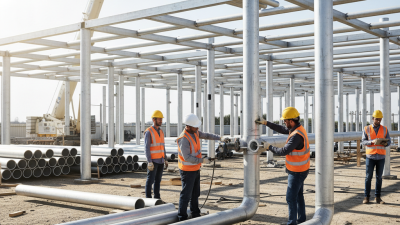
Galvanized steel pipe is widely used in various industries due to its durability and resistance to corrosion. This makes it ideal for applications requiring strength and longevity. Construction, agriculture, and plumbing industries all benefit from its properties. In construction, it serves as a reliable framework for buildings. The National Association of Home Builders reports that over 70% of builders rely on galvanized piping for such projects.
In agriculture, galvanized pipes are essential for irrigation systems. Their resistance to rust allows for efficient water transport across fields. A study by the Agricultural Research Service indicates that using galvanized steel can increase the life span of irrigation systems by up to 50%. Meanwhile, the plumbing industry endorses their use for water supply lines and drainage systems, ensuring safety and efficiency.
Tip: When choosing galvanized steel pipes, consider the thickness and the application environment. Thicker pipes tend to offer better resistance in harsh conditions, even if that means a higher initial investment. Always seek the right specifications to maximize performance and longevity. Remember, not all galvanized pipes are created equal, and investing in quality pays off in the long term.
Maintenance and Longevity of Galvanized Steel Pipe
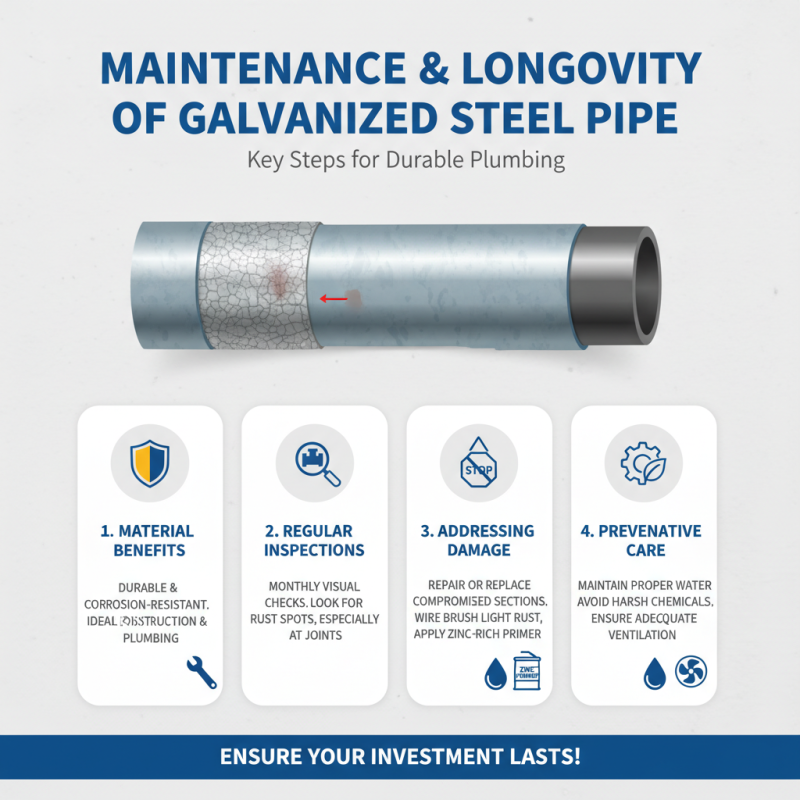
Galvanized steel pipes are known for their durability and resistance to corrosion. This makes them a popular choice for various construction and plumbing projects. However, maintaining these pipes requires attention and care to ensure they last. Regular inspections can help identify early signs of wear or damage. Look for rust spots, especially where the coating may be compromised.
Cleaning the exterior is equally important. Dirt and debris can trap moisture, leading to corrosion. A simple wash with mild detergent can keep pipes in good condition. Additionally, avoid exposing these pipes to harsh chemicals, as they can strip away galvanization. Proper handling during installation is crucial, too. Dents or bends can weaken the structural integrity.
Finally, consider the environment. If the pipes are in high humidity areas, be extra vigilant. While galvanized steel pipes are robust, they are not invincible. Realizing their limits can help in developing a maintenance routine that extends their lifespan. Keeping a checklist for inspections can be an effective way to monitor condition regularly.