Top Benefits of Using Brass Pipe for Plumbing and Construction Applications?
Brass pipes have gained significant popularity in plumbing and construction applications. Their durability and corrosion resistance make them a preferred choice among professionals. According to the latest industry report by the Plumbing Research Institute, brass pipes can last over 50 years without significant wear.
Dr. James Turner, a leading expert in plumbing materials, states, "Brass pipes offer a blend of strength and reliability unmatched by other materials." This opinion underscores the industry's trust in brass pipes. The unique properties of brass, such as its antimicrobial nature, are especially relevant in today's health-conscious environment.
However, some challenges exist. Brass can be more expensive upfront, which may deter some users. Additionally, the risk of dezincification needs consideration. Exploring brass pipes' benefits and drawbacks is essential for informed decisions in construction and plumbing projects.
Advantages of Brass Pipe Over Other Materials in Plumbing
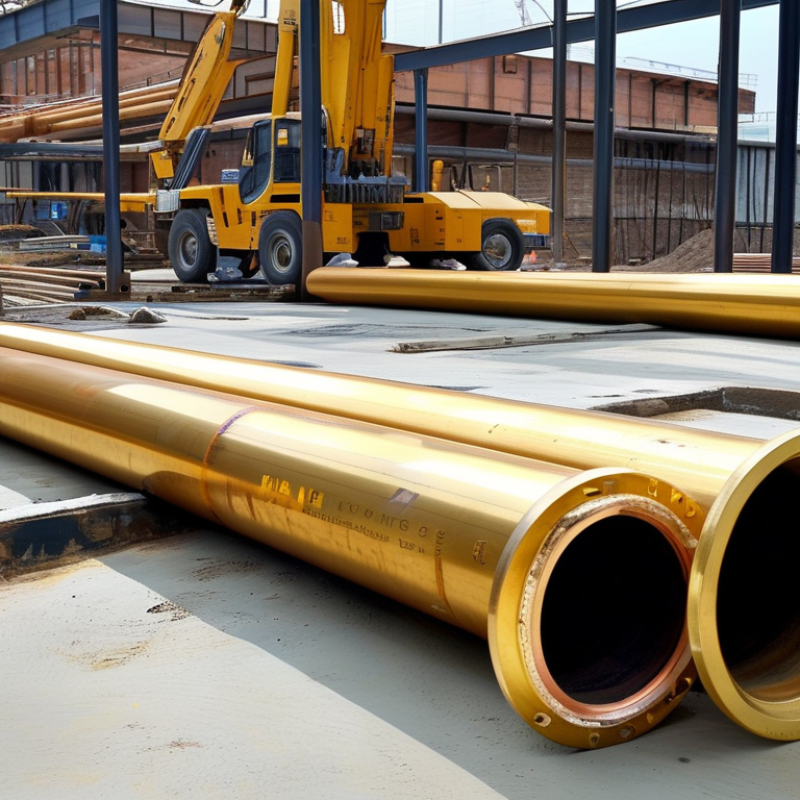
Brass pipes are gaining popularity in plumbing and construction. Their unique properties offer several advantages. For instance, brass has excellent resistance to corrosion. This makes it ideal for water supply lines and systems exposed to moisture. Unlike copper, brass maintains its durability without frequent replacements.
In addition, brass pipes provide strength and reliability. They are less prone to bursting under high pressure compared to plastic alternatives. This aspect is crucial in construction, where safety is paramount. Also, brass can handle extreme temperatures. Its thermal conductivity allows for efficient heating in plumbing systems.
However, some may overlook brass due to its higher initial cost. This can be a valid concern, especially for large projects. Yet, the long-term savings from fewer repairs often outweigh this expense. It’s essential to weigh these factors carefully. Over time, the benefits often shine through, especially in challenging environments.
Corrosion Resistance: Why Brass Pipes Outlast Steel and Copper
Brass pipes are increasingly favored in plumbing and construction due to their impressive corrosion resistance. Unlike steel and copper, which can succumb to rust and degradation, brass remains robust in various environments. According to a study by the Copper Development Association, brass pipes can last over 50 years without significant wear. This longevity reduces maintenance costs and enhances reliability in construction.
The corrosion resistance of brass is attributed to its composition. Brass contains zinc and copper, which create a protective layer that inhibits corrosion. This ability stands out particularly in high humidity conditions, where steel and copper pipes often falter. A report by ASTM International indicated that brass was significantly more resistant to pitting corrosion, a common issue with traditional materials.
In real-world scenarios, the durability of brass pipes has shown benefits that extend beyond mere lifespan. Homeowners and builders report fewer leaks and less frequent replacements. However, some may find the initial costs of brass higher than alternatives. This trade-off raises questions about immediate budget constraints versus long-term investment gains. The choice of material warrants careful consideration, blending short-term expenses with lasting performance.
Thermal Conductivity: Benefits of Brass for Heating Applications
Brass pipes excel in thermal conductivity, making them an exceptional choice for heating applications. Their ability to quickly transfer heat allows for efficient hot water systems. Brass is durable and resistant to corrosion, ensuring a longer lifespan in heated environments. This property is especially beneficial in residential and commercial plumbing systems.
When looking at heating applications, the adaptability of brass pipes becomes evident. They can withstand high temperatures without compromising integrity. However, proper insulation is still crucial to reduce heat loss in piping systems. Some may overlook this aspect, leading to inefficiencies. Reducing heat loss can significantly enhance system performance and energy savings.
While brass pipes are reliable, costs can vary based on market conditions. Some may find alternatives that seem cheaper upfront. However, neglecting the long-term benefits of brass may lead to higher replacement costs and reduced efficiency. Investing in quality materials upfront can greatly enhance overall system reliability and performance over time.
Top Benefits of Using Brass Pipe for Plumbing and Construction Applications
| Benefit |
Description |
Applications |
| Corrosion Resistance |
Brass pipes resist corrosion better than other materials, which extends their lifespan. |
Water supply, Gas lines |
| Thermal Conductivity |
Brass has excellent thermal conductivity, making it ideal for heating systems. |
Radiators, HVAC systems |
| Ductility |
Brass can be easily molded and shaped to fit various plumbing needs. |
Custom fittings, Valves |
| Low Friction |
Brass surfaces offer low friction, reducing wear and tear on pipes. |
Water systems, Pumping applications |
| Versatility |
Can be used in various applications ranging from plumbing to decorative fixtures. |
Plumbing, Construction, Decor |
Ease of Installation: Connecting Brass Pipes with Minimal Effort
Brass pipes offer significant advantages in plumbing and construction. Their ease of installation stands out, making them a favored choice among professionals. Unlike some materials, brass pipes connect smoothly without requiring specialized tools. This quality can save precious time on job sites. The threading of brass aligns well, which ensures tight connections and minimizes leaks. Contractors appreciate this simplicity.
The installation process can sometimes feel daunting. Even with brass, new users may struggle with certain aspects. It’s important to familiarize yourself with the best practices for joining these pipes. Learning to use the right fittings and tools is crucial. Ensuring the threads are clean leads to a better seal. Any oversight here can result in leaks down the line.
Despite their many benefits, one must approach brass installations with caution. Over-tightening can damage fittings, and that costs time and effort. Practicing proper techniques can alleviate these issues. With experience, the installation becomes intuitive and efficient. Brass pipes can greatly enhance plumbing efficiency while providing a reliable solution.
Cost-Effectiveness: Long-Term Savings with Brass in Construction Projects
Brass pipes offer significant cost-effectiveness in plumbing and construction projects. Over time, they can reduce maintenance and replacement costs. Their resilience against corrosion ensures longevity. This means fewer repairs or replacements, translating to substantial savings.
Tip: When selecting materials, consider the long-term implications. A higher initial investment in brass can lead to lower expenses down the road. Choose wisely to avoid frequent replacements with cheaper materials.
Another factor to consider is installation. Brass pipes are lightweight compared to other metals. This can reduce labor costs and time during the construction process. However, some builders may overlook the benefits of brass due to initial costs or perception.
Tip: Always evaluate the total cost of ownership. Sometimes, an upfront savings can lead to greater expenses later. Investing in durable materials like brass ultimately supports budget management in the long run.