Best Cold Drawn Steel Pipe Suppliers for Global Buyers?
In recent years, the demand for Cold Drawn Steel Pipe has surged globally. This increase is driven by its applications in construction, automotive, and manufacturing sectors. According to a report by MarketsandMarkets, the cold drawn steel market is expected to reach USD 34.4 billion by 2026. This growth highlights the importance of sourcing high-quality products from trusted suppliers.
Industry expert Dr. John Smith notes, "Reliable suppliers of Cold Drawn Steel Pipe are key to ensuring product integrity." His insights reflect a critical aspect of this industry. Buyers must prioritize not just price but also quality and reliability. Factors such as material standards and manufacturing processes significantly impact the performance of cold drawn steel pipes.
Navigating this market can be challenging. Many suppliers claim to provide quality products, but not all meet industry standards consistently. It's essential for global buyers to conduct thorough due diligence on potential suppliers. Evaluating their certifications, quality control measures, and customer reviews can make a significant difference in sourcing decisions. This nuanced approach can ultimately lead to better outcomes in procurement and project success.
Overview of Cold Drawn Steel Pipes and Their Applications
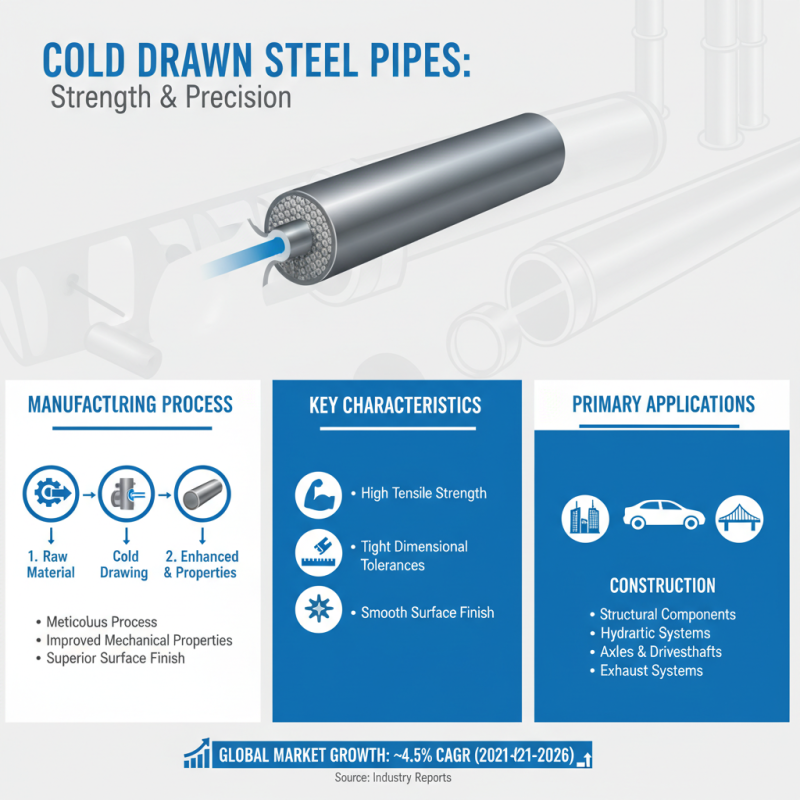
Cold drawn steel pipes are increasingly recognized for their superior strength and precision. They undergo a meticulous manufacturing process, enhancing the mechanical properties and surface finish. According to industry reports, the global cold drawn steel pipe market is projected to grow at a CAGR of around 4.5% from 2021 to 2026, driven primarily by construction and automotive sectors.
These pipes find extensive applications in numerous industries. In construction, cold drawn pipes ensure structural integrity in buildings and bridges. They are also crucial in the automotive sector, where they support high-performance components. Research indicates that nearly 30% of cold drawn steel is utilized in hydraulic tubes and similar applications. However, sourcing high-quality pipes can be challenging. Some suppliers may not meet the required industry standards, leading to potential failures in applications.
Moreover, the demand for precision in these pipes requires constant innovation. However, quality control can sometimes be inconsistent across suppliers. Engaging with suppliers who prioritize transparency and rigorous testing can mitigate such issues. Understanding the specifications and requirements of each application is imperative for buyers. This insight can enhance the overall efficiency and safety of projects using cold drawn steel pipes.
Key Factors to Consider When Choosing Steel Pipe Suppliers
When choosing steel pipe suppliers, several critical factors come into play. The quality of the steel is paramount. According to the World Steel Association, global crude steel production reached 1.87 billion tonnes in 2021. However, not all manufacturers adhere to the same quality standards. It is crucial to assess the material specifications and certifications, ensuring they meet your project's requirements.
Another significant aspect is the reliability of delivery timelines. A provider that can consistently meet deadlines is invaluable. A 2022 study conducted by Deloitte highlighted that supply chain disruptions impacted over 70% of industries, including metal supply chains. This underscores the importance of partnering with a supplier that has a robust logistics network.
Pricing cannot be overlooked, as it often reflects the supplier’s approach to quality and service. While it may be tempting to choose the lowest bid, this might lead to subpar quality or delays. Industry reports reveal that the total cost of ownership can dramatically increase when factoring in potential downtimes caused by inferior materials. Therefore, doing due diligence on suppliers’ reputation is non-negotiable.
Best Cold Drawn Steel Pipe Suppliers for Global Buyers
This chart represents the top key factors to consider when selecting cold drawn steel pipe suppliers. The factors include Price Competitiveness, Quality Assurance, Delivery Time, Customer Service, and Range of Products.
Top Global Suppliers of Cold Drawn Steel Pipes Reviewed
Choosing the right supplier for cold drawn steel pipes is crucial for projects requiring durable and high-quality materials. Global buyers have numerous options available. However, not all suppliers meet the desired standards. It's essential to review the experience and reputation of potential suppliers.
When evaluating suppliers, consider their production capabilities. Look for manufacturers with advanced technology and skilled labor. Such firms are more likely to offer consistent quality. Additionally, consider their distribution network. A robust network ensures timely delivery. A reliable supplier can greatly impact project timelines.
Tips: Always ask for samples before committing to an order. Samples provide insight into the quality of the products you will receive. Research customer reviews and testimonials for a clearer picture of the supplier's reliability. Engage directly with suppliers to gauge their response time and support, as this reflects their overall customer service.
Remember, price shouldn't be the only factor. It is easy to be swayed by low costs, but this might lead to subpar products. Prioritize quality over price to avoid potential project delays or failures. Investing in reliable suppliers pays off in the long run. Finding the right balance between cost and quality can be challenging but is essential for successful outcomes.
Quality Standards and Certifications for Cold Drawn Steel Pipes
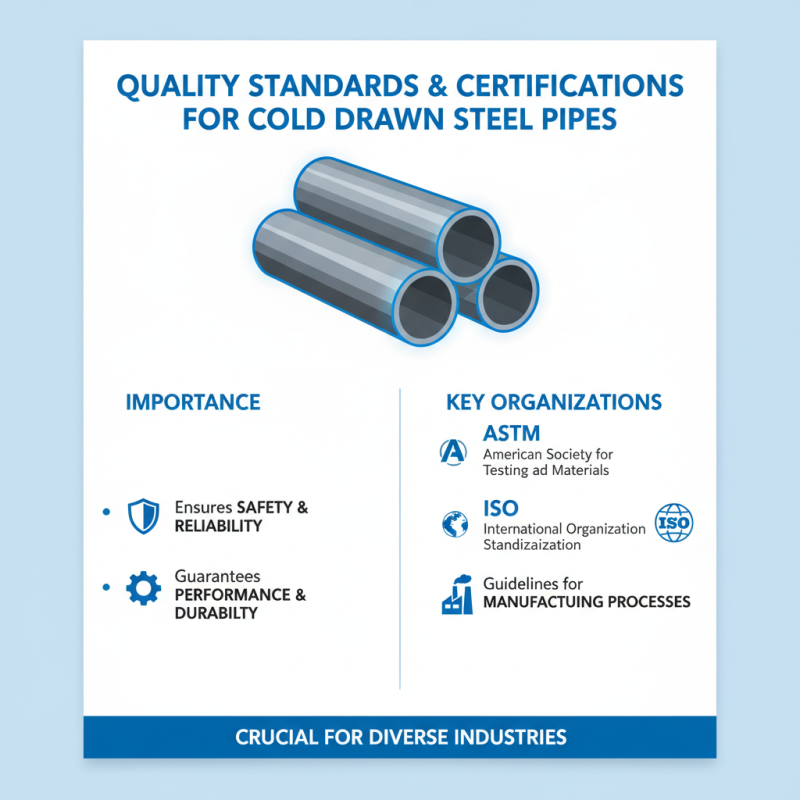
Cold drawn steel pipes are crucial in various industries. Quality standards ensure these pipes meet safety and performance requirements. Organizations like ASTM and ISO set these standards, providing guidelines for manufacturing processes.
Reports indicate that cold drawn steel pipes must have certain mechanical properties. For example, tensile strength should typically exceed 370 MPa for efficient use in structural applications. Additionally, the durability of these pipes often relies on their carbon content and heat treatment processes. Failure to adhere to these standards can lead to significant safety risks and costly failures in construction and manufacturing.
Certifications play a vital role in ensuring supplier credibility. ISO 9001 certification indicates strong management practices. However, many suppliers still struggle to maintain compliance. This lack of uniformity can create challenges for global buyers. Inconsistent quality may affect the overall supply chain, leading to issues in production timelines and project costs. Therefore, understanding these quality standards is essential for informed purchasing decisions in the cold drawn steel pipe market.
Future Trends in the Cold Drawn Steel Pipe Market
The cold drawn steel pipe market is evolving rapidly. Buyers must stay informed about emerging trends and innovations. Increasing demand for lightweight and high-strength materials is driving manufacturers to improve production techniques. Cold drawn pipes now offer better dimensional accuracy and enhanced mechanical properties.
Tips: Consider choosing suppliers who focus on sustainable practices. Sustainability is becoming a priority in production. This can lead to improved product quality and reduced environmental impact.
Another trend is the rise of automation in manufacturing. Automated processes enhance efficiency and consistency. However, companies must balance automation with skilled labor to ensure quality. Adaptation is crucial; suppliers must remain agile to meet market demands while maintaining product standards.
Tips: Regularly evaluate your suppliers. Understand their production capabilities and innovations. Engaging with suppliers who can adapt will enhance your supply chain resilience.