Best Copper Pipes for Global Buyers in 2026?
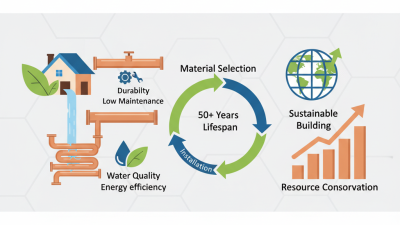
In 2026, the demand for high-quality copper pipes is set to rise globally. These pipes are crucial for various industries, including plumbing, HVAC, and electrical systems. The increasing focus on energy efficiency and sustainable building solutions directly influences their popularity.
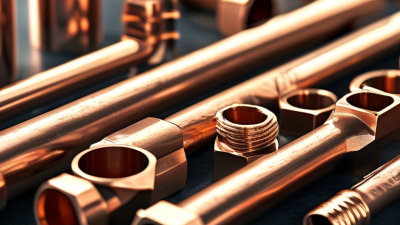
Copper pipes are known for their durability, corrosion resistance, and excellent thermal conductivity. Many global buyers are seeking reliable suppliers who can provide top-grade materials. However, not all copper pipes meet the same standards. Ensuring you choose the right type can be challenging. Some manufacturers may cut corners, impacting quality and reliability.
Potential buyers should prioritize certified sources and verify the composition of the copper. It's essential to understand that the market can vary widely based on location. Whether you're in construction or manufacturing, your choice of copper pipes affects overall system performance. As the landscape evolves, staying informed will help you make better purchasing decisions.
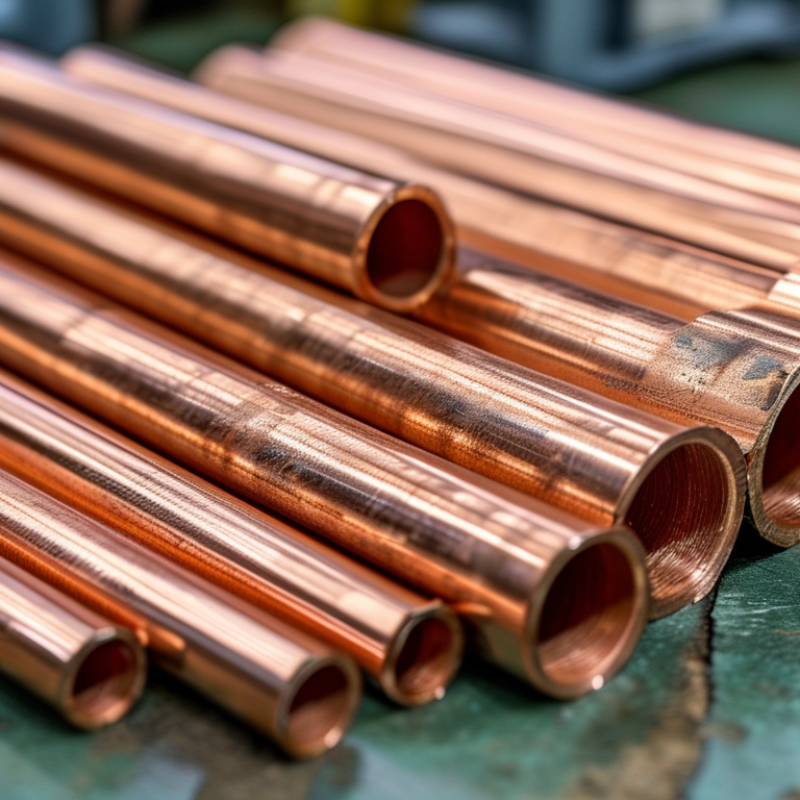
Overview of Copper Pipe Types and Their Applications in 2026
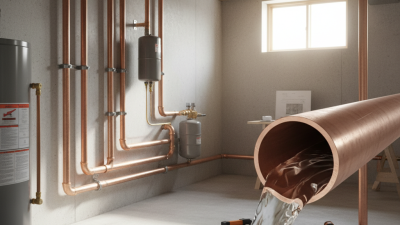
In 2026, copper pipes remain vital in various applications. Their durability and resistance to corrosion make them a preferred choice in plumbing and HVAC systems. Different types of copper pipes are available, each serving unique purposes.
Type K copper pipes are thick-walled and ideal for underground installations. Their ability to withstand pressure makes them suitable for water supply lines. Type L pipes are versatile and commonly used in both residential and commercial settings. They are perfect for hot and cold water systems. Additionally, Type M pipes, which are thinner and lightweight, are often employed for drainage and venting.
Yet, some contractors struggle with selecting the right type. Each copper pipe has specific installation requirements. Misunderstandings about wall thickness can lead to issues. It's crucial for buyers to evaluate their needs carefully. Understanding the differences in pipe types can enhance project outcomes. Ensuring proper fittings and connections is essential for integrity in installations.
Key Factors Influencing Copper Pipe Quality and Performance
When considering the best copper pipes, understanding quality and performance is crucial. The first factor is material purity. High-purity copper enhances conductivity and durability. Pipes with impurities often lead to reduced performance and longevity. Buyers should be vigilant in assessing purity levels.
Moreover, wall thickness plays a significant role. Thicker walls can withstand higher pressures and resist corrosion. However, these pipes may be heavier and less flexible. Balancing thickness and flexibility is vital for various applications.
Finally, the manufacturing process impacts the end product. Methods like extrusion or casting affect structural integrity. Look for pipes that undergo rigorous testing for quality assurance. It’s essential to ask questions and seek clarity about production techniques. This approach ensures you select pipes that fulfill your specific needs and expectations.
Top Global Manufacturers of Copper Pipes in 2026
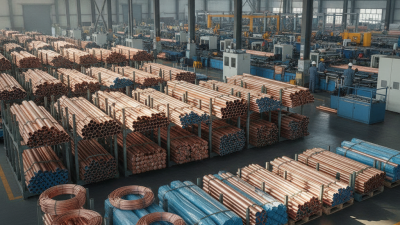
As the demand for copper pipes grows, knowing the top manufacturers becomes crucial for global buyers. In 2026, several key players dominate the copper pipe market. These manufacturers are recognized for their quality, innovation, and reliability. They serve a wide range of industries, from plumbing to air conditioning. These companies emphasize sustainable practices and aim to reduce their environmental impact.
Key features of these manufacturers include advanced production techniques. Many incorporate automation to enhance efficiency. This modern approach often leads to better precision and less waste. However, some manufacturers may struggle with maintaining the delicate balance between speed and quality. Buyers should take note of this aspect when evaluating options.
Additionally, the geographical reach of these companies is impressive. They often have multiple production facilities across different regions. This allows them to respond quickly to local market demands. However, logistical challenges can arise. Supply chain interruptions might lead to delays in delivery times. Buyers should carefully assess these factors to avoid potential pitfalls.
Trends in Copper Pipe Technology and Sustainability
The copper pipe industry is evolving, with increased focus on sustainability. Manufacturers are developing eco-friendly practices to minimize environmental impact. This shift aligns with global trends towards sustainable solutions. Innovations in recycling processes are making copper more accessible and environmentally friendly.
Technological advancements in copper production are also noteworthy. New methods enhance efficiency and reduce waste. These improvements not only benefit the environment but also lower costs for buyers. However, questions remain about the long-term sustainability of mining practices. The balance between demand and ecological health is delicate.
The potential for smart technology integration is growing. Smart sensors and monitoring systems can be incorporated into copper pipes. These advancements can improve efficiency and safety in plumbing systems. Yet, the adaptation of such technologies may face logistical challenges. Addressing these complexities is essential for future growth in this sector.
Comparative Analysis of Pricing and Availability Worldwide
The copper pipe market is poised for significant changes in 2026. A recent report by the International Copper Study Group highlights variations in pricing and availability across regions. For instance, the average cost of copper pipes can fluctuate by as much as 15% depending on local production capabilities and market demand. This disparity often leads to supply challenges in specific areas, impacting construction and plumbing projects globally.
In terms of availability, various regions face unique constraints. Countries with robust mining sectors often enjoy more stable prices and supply chains. Conversely, regions relying on imports tend to experience volatility. A reported 25% increase in import tariffs in certain markets could further strain these supplies. Industry analysts project that buyers should prepare for fluctuating costs and consider long-term sourcing strategies to mitigate potential disruptions.
Additionally, the sustainability aspect cannot be overlooked. The push for eco-friendly materials may alter supply and demand dynamics. Some manufacturers are investing in recycling technologies, aiming to offer more sustainable options. However, this transition can result in initial pricing challenges. The complexities of the global supply chain require careful navigation as buyers look to secure their copper pipe sources in an ever-evolving market landscape.
Best Copper Pipes for Global Buyers in 2026? - Comparative Analysis of Pricing and Availability Worldwide
| Region |
Pipe Diameter (inches) |
Price per Foot (USD) |
Availability (Months) |
Quality Rating (1-5) |
| North America |
3/4 |
3.50 |
6 |
4 |
| Europe |
1 |
4.10 |
8 |
5 |
| Asia |
1/2 |
2.75 |
12 |
4 |
| South America |
3/8 |
2.50 |
10 |
3 |
| Africa |
5/8 |
3.00 |
9 |
3 |