How to Choose the Right Copper Pipes for Your Projects?
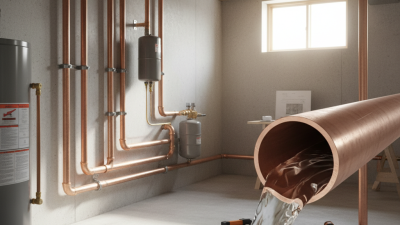
Choosing the right copper pipes for your projects can be daunting. With various types and sizes available, it's essential to understand their unique attributes. Copper pipes are favored for their durability, resistance to corrosion, and excellent heat conductivity. They are ideal for plumbing, heating, and refrigeration applications.
When selecting copper pipes, consider factors like the specific application and local building codes. Not all copper pipes are created equal. Types K, L, and M differ in thickness and use, impacting your project's outcome. Paying attention to these details is crucial. Furthermore, weighing cost against quality can lead to reflections on long-term value versus initial expenses.
Engaging with experts or consulting reliable sources can provide valuable insights. Remember, making an informed decision about copper pipes will not only enhance the reliability of your project but also ensure safety and efficiency in the long run.
Understanding Different Types of Copper Pipes: Types and Applications
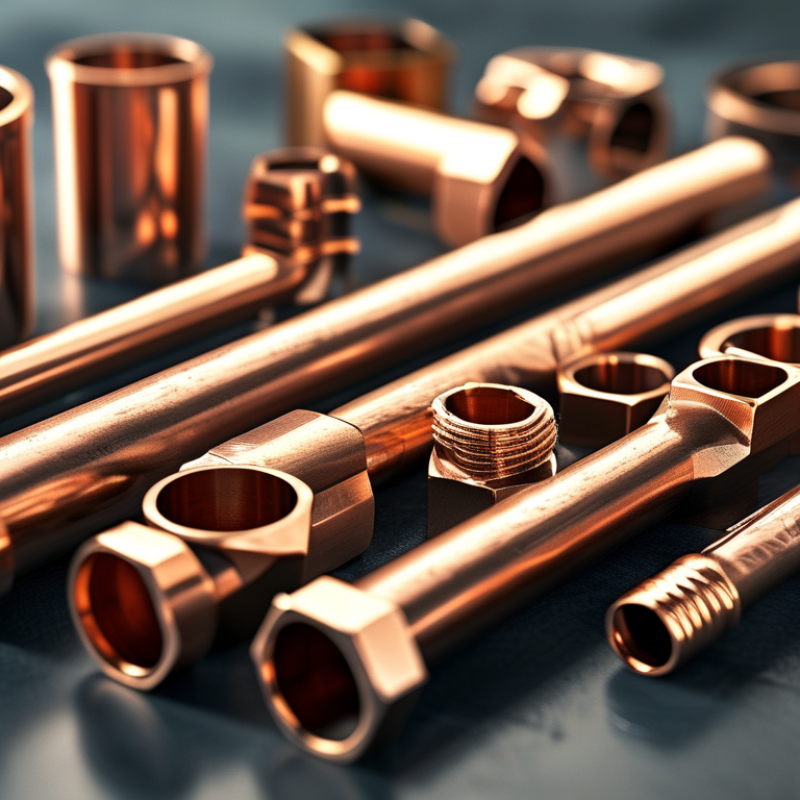
Copper pipes are vital in plumbing, HVAC, and refrigeration systems. There are three main types: Type K, Type L, and Type M. Each type has distinct wall thicknesses and applications. Type K has the thickest walls, suitable for underground and high-pressure systems. Type L is versatile, commonly used in residential applications. Type M is the lightest, typically for low-pressure systems and repiping.
Type K copper pipes, with a wall thickness of 0.040 inches, are ideal for connecting to water mains. A report from the Copper Development Association shows that over 60% of water supply systems utilize Type K pipes. They are durable and corrosion-resistant, making them reliable yet less flexible for certain projects. Type L pipes, with a wall thickness of 0.032 inches, find use in both hot and cold systems. Their popularity stems from their ability to withstand higher pressures, making up 30% of residential installations.
Type M pipes are often seen in drainage and venting applications due to their lighter weight. Though they are cheaper and lighter, they are less durable. The industry consensus is that while they serve many purposes, understanding their limitations is crucial. Choosing the right type involves considering both project needs and long-term performance. Statistics indicate that improper selection can lead to failures and costly repairs, emphasizing the need for knowledgeable choices.
Key Factors to Consider When Selecting Copper Pipes for Plumbing Systems
When selecting copper pipes for plumbing systems, several key factors come into play. The type of copper pipe is essential. There are K, L, and M grades, each suitable for different applications. K pipes are thick and robust, ideal for underground or high-pressure situations. L pipes, a balance of thickness and weight, are commonly used in residential projects. M pipes are thinner and best for low-pressure applications.
Consider the size and diameter of the pipes as well. The pipe's diameter affects water flow and overall efficiency. Larger diameters allow for increased flow, but they may require more fittings and connections. Think about the installation environment as well. Copper pipes are durable, but exposure to harsh elements can lead to corrosion over time. In areas with high acidity or mineral content in the water, additional protective measures may be necessary.
Trust your judgment, but seek advice from professionals when needed. Mistakes in pipe selection can cause leaks and costly repairs later. Be mindful of the long-term implications of your choices. Reflect on how different factors interact, and evaluate how they align with your project’s needs. It's an intricate dance of material science and practical application. Understanding these nuances will lead to better decisions.
Evaluating Copper Pipe Sizes and Their Impact on Flow Rates
When selecting copper pipes for your projects, size is crucial. Different sizes impact flow rates directly. For instance, a smaller diameter restricts water flow, leading to lower pressure. Conversely, larger pipes allow for better flow but can increase costs. Understanding the requirements of your project is essential.
Not all projects need the same pipe size. A home plumbing system may require 3/4-inch or 1-inch pipes. On the other hand, a small-scale irrigation system might work well with 1/2-inch pipes. Evaluating the expected flow rate before purchasing is vital to avoid frustrating outcomes.
Another factor to consider is the length of the piping run. Longer runs can lead to pressure drops, regardless of diameter. This might require reevaluation of sizes. It's essential to balance between cost and efficiency. Ultimately, the right pipe size ensures adequate flow and optimizes project performance. Adjusting pipe sizes requires careful thought and understanding of flow dynamics.
The Importance of Copper Pipe Thickness for Durability and Performance
When it comes to selecting copper pipes, thickness plays a vital role in both durability and performance. Thicker pipes resist corrosion better and endure higher pressures. This added strength can be especially important in high-demand environments, such as commercial buildings or industrial applications. A thicker wall means less likelihood of leaks. However, heavier pipes can be more challenging to install and require specialized fittings.
Choosing the right thickness is also about balancing cost and benefit. Thicker pipes may cost more upfront, but their longevity can save money over time. Many installers overlook this. They might choose thin pipes to reduce initial costs, which could lead to expensive repairs later. It’s essential to consider the long-term implications of these choices.
In addition, the application of the pipes matters. For hot water systems, thicker pipes can better handle temperature fluctuations. Yet, some may mistakenly assume that all projects need the thickest options available. This isn’t always the case. Understanding specific project needs ensures you select the most suitable thickness without unnecessary expenses.
Comparing the Cost and Lifespan of Copper Pipes with Other Materials
When choosing copper pipes, cost and lifespan are critical factors. Copper pipes offer a robust solution for plumbing, known for their longevity. Typically, copper lasts over 50 years, which is significantly longer than plastic alternatives. However, the initial investment is more substantial. Weighing immediate costs against long-term savings is essential.
Consider maintenance and installation. Copper's resilience to extreme temperatures can save you headaches down the line. However, it requires skilled labor for installation. This can drive up initial expenses. If opting for copper, ensure the installation is done correctly to avoid future leaks.
**Tips:** Always compare quotes from multiple suppliers. This can help you identify competitive pricing for copper pipes. Additionally, consider your project's specific needs. Are plastic pipes cheaper but less durable? Balance your choice based on how long you plan to stay in your home or building. Remember, sometimes the cheapest option now can cost you more later.