China Top Alloy Steel Tools for Industrial Applications and Beyond?
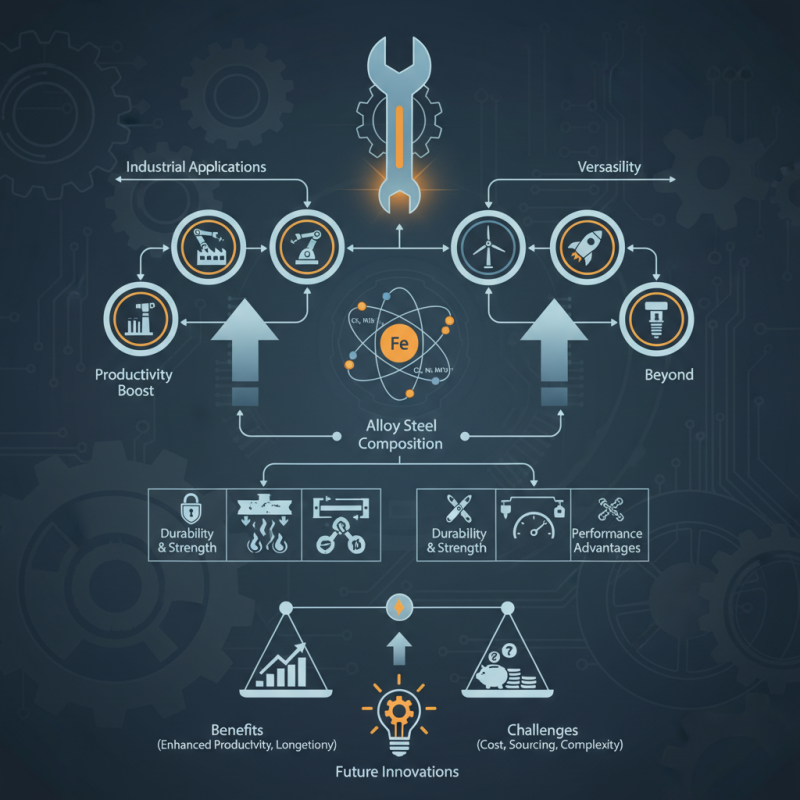
The demand for Alloy Steel Tools in industrial applications is on the rise. Industry experts emphasize their durability and versatility. Dr. Emily Chen, a leading metallurgist, states, "Alloy Steel Tools represent the future of manufacturing." This highlights their crucial role in enhancing productivity.
Manufacturers are increasingly turning to these tools for various reasons. They withstand extreme conditions and offer significant performance advantages. However, not all Alloy Steel Tools are created equal. The selection process can be complex, requiring knowledge of composition and production techniques.
Despite advancements, challenges remain in the alloy steel sector. Cost concerns and sourcing issues can hinder adoption. Companies must weigh the benefits against potential drawbacks cautious. Continued innovations are needed to refine these tools further. The industry must address these challenges to fully exploit the potential of Alloy Steel Tools.
Overview of Alloy Steel Tools in China
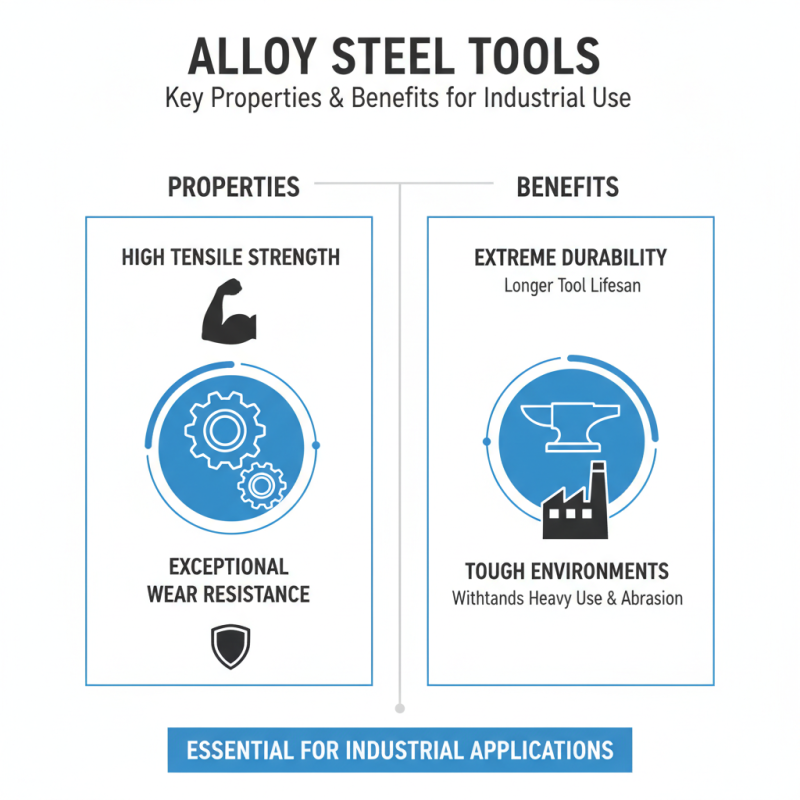
Alloy steel tools are essential in various industries. In China, they have gained attention for their strength and durability. These tools are made by combining steel with other elements. This process enhances their properties, making them suitable for tough industrial tasks.
When selecting alloy steel tools, consider the application type. Different industries have unique requirements. Look for tools that can withstand high temperatures and stress. They should also resist wear and corrosion. Not all alloy steels are created equal; understanding the materials helps in making informed decisions.
Tips: Always check the specifications before purchasing. Ensure the tools meet industry standards. Regular maintenance extends tool life, so invest in proper care. Choosing the right alloy steel tool can significantly impact productivity and safety in your operations.
Major Players in the Chinese Alloy Steel Tool Industry
The Chinese alloy steel tool industry is experiencing significant growth, driven by rising demand in various sectors. In 2022, the market size was valued at approximately USD 20 billion, with projections to reach USD 30 billion by 2027. This growth indicates a robust expansion of industrial applications, including manufacturing and construction.
Major players in this industry leverage advanced technologies to enhance tool performance. Many companies focus on research and development to optimize alloy compositions. This focus leads to improved hardness and durability in tools. Data from industry reports suggest that tools made from high-performance steel can extend lifespan by up to 30%.
Tips: When choosing alloy steel tools, consider the conditions of use. Tools suited for specific environments can outperform general ones. Ensure compatibility with your machinery for better efficiency.
The competitive landscape includes rising startups challenging established names. Innovative practices are sometimes overlooked, leading to missed opportunities. Companies that adapt quickly can gain substantial market share. Not all manufacturers maintain the same quality; thus, thorough research is essential.
Applications of Alloy Steel Tools in Various Industries
Alloy steel tools play a crucial role in various industries. These tools are known for their strength and durability. In construction, for instance, alloy steel is preferred for equipment like drills and saws. They withstand heavy wear and tear. This ensures efficiency and safety in building projects.
The automotive industry benefits from alloy steel tools as well. Precision is key when manufacturing parts. Alloy steel offers the toughness needed for sturdy components. Applications range from engine parts to transmission systems. Using these tools enhances reliability in vehicle performance.
Tips: Always check for the right type of alloy steel for your project. Different mixes can achieve varied hardness and flexibility. If you're unsure, seek advice from industry experts. They can provide insights for your specific needs. Remember, the quality of tools impacts your final output significantly.
Future Trends and Innovations in Alloy Steel Tools
The demand for alloy steel tools is rising across various industries. Recent data indicates that the global market for these tools is expected to reach $28 billion by 2025, growing at a CAGR of 5.4%. As industries seek greater efficiency, the need for advanced materials becomes crucial. Alloy steel tools provide enhanced strength, durability, and wear resistance, making them ideal for industrial applications.
Innovations are focusing on the development of high-performance coatings and treatment processes. These advancements improve tool life and performance under extreme conditions. For instance, coatings like titanium nitride reduce friction and increase resistance to wear. Research also suggests that heat treatment processes can further optimize the microstructure of alloy steels. This leads to improved mechanical properties, allowing tools to withstand higher loads.
However, challenges persist. The cost of raw materials can fluctuate, impacting production. Furthermore, integrating new technologies in manufacturing can be complex. There is a need for ongoing research to enhance the sustainability of alloy steel production. Ultimately, balancing performance and cost-effectiveness will be vital for future trends in alloy steel tools.
China Top Alloy Steel Tools for Industrial Applications
This chart displays the projected growth of various alloy steel tools used in industrial applications over the next few years, illustrating the trends in usage across different sectors.