China Top 10 Nickel Alloy Steel Pipe Manufacturers
Choosing a supplier for Nickel Alloy Steel Pipe takes more than comparing prices or catalog photographs. Buyers must match alloy grade, pipe dimensions, temperature range, and corrosion exposure to the intended service. A line carrying hot chloride-bearing fluid, for example, may need a different alloy and inspection plan from a low-temperature process line. Material test reports, heat numbers, dimensional checks, and traceability records help turn a sales claim into verifiable evidence.
Materials expert John R. Davis, editor of ASM’s Handbook: Nickel, Cobalt, and Their Alloys, provides a useful reference point. In paraphrase, his materials-selection work reminds buyers to match alloy choice to service conditions, not just a product label. That principle matters when comparing manufacturers in China, where product scope, testing capacity, export experience, and documentation can vary. A polished brochure is not proof. Ask how each supplier verifies composition, pressure performance, and dimensional tolerances, and check whether its stated standards fit your project.
This guide introduces ten manufacturers and the questions worth asking before shortlisting them. It considers product range, quality controls, technical support, and shipment readiness. No ranking can replace a project-specific review. That is easy to overlook. Company information can also change, so confirm current capabilities directly and request recent documents. Even a strong supplier may not suit every application; the details deserve a second look.
Overview of Nickel Alloy Steel Pipes
Nickel alloy steel pipes are selected for demanding service where ordinary carbon steel may corrode, soften, or lose reliability. Their nickel content can improve resistance to certain corrosive environments and help maintain performance at elevated temperatures. The exact behavior depends on the alloy grade, heat treatment, and operating conditions. Not every nickel alloy suits every process. Chlorides, acids, pressure, and temperature all matter.
Pipe specifications should identify the required grade, dimensions, manufacturing route, and inspection criteria. Buyers commonly review chemical analysis, mechanical test results, and traceability records before installation. Weldability also deserves attention; compatible filler materials and qualified procedures can reduce defects. A certificate alone is not the whole story. Confirm that documents match the supplied pipe and its heat number.
Tips: Share the process fluid, design temperature, pressure, and expected service life when requesting a quotation. Ask how wall thickness and corrosion allowance were determined. Check surface finish and end preparation on delivery. A small mismatch can complicate fabrication. When conditions are uncertain, consult a qualified materials engineer and verify assumptions against actual process data.
Criteria for Selecting Leading Chinese Manufacturers
Choosing a nickel alloy steel pipe manufacturer requires more than comparing price and delivery dates.
World Stainless reported 58.4 million tonnes of stainless steel production in 2023, up 4.6% year over year. That scale makes material verification essential. Ask for heat-specific mill test certificates, stated alloy grades, and traceability from billet to finished pipe. Check whether chemical composition and dimensions are verified against the order’s applicable ASTM or ASME specification.
Details matter. A certificate alone is not proof: request sample inspection records and clarify who performed each test.
Production capability should match the pipe’s intended service, not just its diameter range. Review welding procedures, heat-treatment controls, and non-destructive testing methods such as ultrasonic or eddy-current inspection. The IEA’s Global Critical Minerals Outlook 2024 says Indonesia supplied about half of mined nickel in 2023, underscoring why buyers should ask how material origin and supply changes are documented.
This does not establish pipe quality by itself. Request a recent audit, inspect a sample joint or cut section, and confirm how rejected lots are handled. A polished factory tour can reassure, but it may miss an ordinary production defect.
I would also compare stated lead times with recent shipment records; this check is easy to overlook.
China’s Top 10 Nickel Alloy Steel Pipe Manufacturers
China’s Top 10 Nickel Alloy Steel Pipe Manufacturers are best compared by what they can document, not by polished catalog claims. Nickel-alloy pipe is used in demanding environments involving heat, pressure, or corrosive media. A capable manufacturer should explain its available grades, forming methods, heat-treatment controls, and dimensional tolerances clearly. Request material test reports and inspection records linked to the production lot. Paperwork matters.
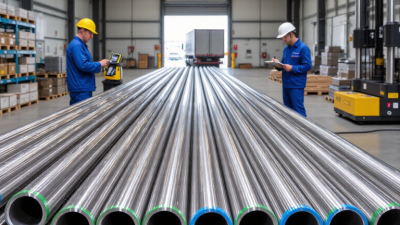
Compare whether a supplier offers seamless or welded pipe, and check the stated outside diameter, wall thickness, and length against your drawing. Ask how it handles surface inspection, non-destructive testing, and hydrostatic testing when these are required by the specification. During a factory review, practical details count: calibrated gauges, clearly identified material batches, and protected pipe ends ready for shipment. Request a sample report before placing an order. Read it closely. A comparison of ten manufacturers should weigh consistent evidence more heavily than broad claims of capacity or quality. There is no perfect checklist, and documents may leave gaps; clarify those gaps before approving production.
Nickel Content in Common Nickel-Alloy Pipe Grades
A specification-based comparison of minimum nickel content—not a ranking of manufacturers.
Values are minimum nickel percentages specified for the listed UNS grades; actual product chemistry may vary within the applicable specification limits. Reference specifications include ASTM B160, B164, B168, B443, and B409.
Products, Standards, and Manufacturing Capabilities
China Top 10 Nickel Alloy Steel Pipe Manufacturers
Products, Standards, and Manufacturing Capabilities
Comparing manufacturers means looking beyond alloy names. Check whether they offer seamless and welded pipe, custom lengths, and grades suited to heat, pressure, or corrosive service. ASTM B444 covers seamless pipe and tube in alloy 625; ASTM B705 covers welded pipe in nickel alloys. Ask for material test reports, heat-number traceability, and inspection records. Small details matter. Nickel Institute market-use data indicates that roughly two-thirds of nickel is used in stainless steel, reflecting the metal’s importance in corrosion-resistant applications. This figure is broader than pipe production, so it should not be treated as a measure of pipe demand.
Manufacturing capability is visible in the details: controlled forming and welding, suitable heat treatment, accurate wall thickness, and documented non-destructive testing. Request the inspection method and acceptance criteria, not just a “tested” stamp. No single test tells the whole story. A polished sample can look convincing, while inconsistent records deserve a second look.
Tips: Compare products against the project’s stated standard and grade. Confirm dimensions, tolerances, testing, and documentation before comparing prices. A small mismatch can complicate installation.
Applications and Supplier Evaluation Factors
Nickel alloy steel pipes serve demanding systems where ordinary carbon steel may corrode or lose strength. In chemical plants, they can carry hot process fluids through pumps, headers, and heat exchangers. Power facilities use selected grades in high-temperature lines, while marine equipment may need resistance to saltwater exposure. The right material depends on the fluid, temperature, pressure, and cleaning cycle. Details matter. A grade suitable for one service can fail in another.
When evaluating a supplier, ask for material test certificates, heat-number traceability, and clear records of chemical composition and mechanical properties. Confirm outside diameter, wall thickness, length tolerance, and permitted manufacturing route against the project specification. For critical service, discuss inspection options such as positive material identification, ultrasonic testing, or hydrostatic testing. Check whether the supplier can explain weld procedures and provide consistent documentation, not just a low quotation. Delivery capacity and packaging also matter; damp storage or rough handling can damage pipe surfaces. References from similar applications are useful, though they are not proof of future performance. One judgment deserves a second look: the cheapest offer may still fit, but only when its grade, inspection scope, and records match the actual operating conditions.