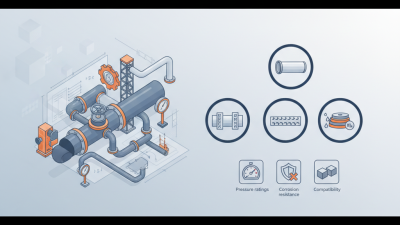
2026 How to Choose Steel Metal Pipes for Global Procurement?
In the global marketplace, the choice of Steel Metal Pipes becomes crucial for various industries. According to the World Steel Association, worldwide steel production reached over 1.8 billion tons in 2022. This significant figure underscores the increasing demand for quality steel products, including pipes that meet precise specifications. As industries continue to grow, sourcing the right Steel Metal Pipes can influence project success and efficiency.
Selecting Steel Metal Pipes demands careful consideration of various factors. Quality must not be compromised, as substandard pipes can lead to severe operational failures. Reports indicate that miscalculating the required pipe specifications can cost companies millions in repairs and downtime. Furthermore, the sustainability and environmental impact of steel production are vital issues. Many suppliers are focusing on eco-friendly practices, and this should influence procurement choices.
Ultimately, the decision-making process in global procurement involves complexity and often uncertainty. Companies must weigh different steel grades, coating options, and supplier reliability. Continuous research into market trends and standards is necessary to make informed decisions. Steel Metal Pipes are not merely a procurement item; they represent a critical investment in safety and efficiency across industries.
Understanding Different Types of Steel Metal Pipes in Global Markets
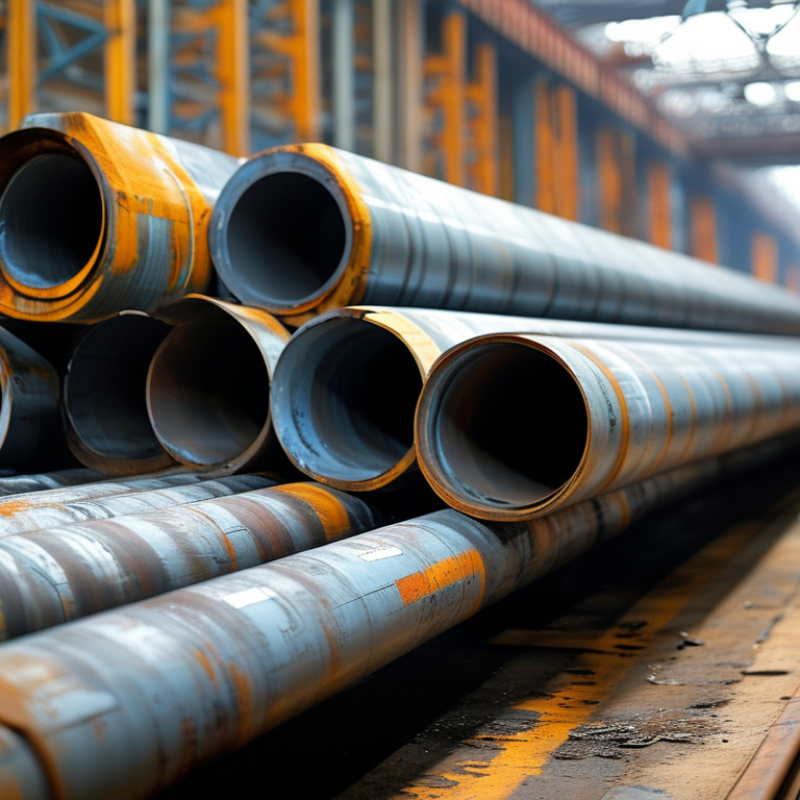
When navigating global markets for steel metal pipes, understanding the various types is crucial. Common types include seamless, welded, and spiral pipes. Seamless pipes often offer better reliability due to their lack of joints. Conversely, welded pipes are typically more cost-effective for large projects. Yet, assessing the capacity and application of each type is essential.
Different industries may require specific pipe characteristics. For instance, oil and gas sectors often demand pipes that withstand high pressure and corrosion. On the other hand, construction industries might prioritize pipes with a balance of strength and cost-effectiveness. Not all pipes are suitable for every application, and that's where careful research comes into play.
Global procurement involves dealing with diverse suppliers and standards. Some regions enforce stricter quality controls. Understanding these nuances can prevent pitfalls and costly mistakes. There is no one-size-fits-all solution. Each choice should reflect project needs, budget constraints, and long-term goals.
Key Factors to Consider When Sourcing Steel Pipes Internationally
When sourcing steel pipes internationally, several key factors must be considered. Quality standards should be a priority. Industry reports indicate that about 30% of imported steel products fail to meet specified quality benchmarks. This can lead to costly project delays. Ensure that the supplier adheres to international certifications like ISO 9001.
Price volatility can significantly impact procurement budgets. Historical data shows that steel prices can fluctuate by up to 50% within a year. Understanding market trends is essential for effective budgeting. Engage suppliers who provide transparent pricing models and commodity insights.
Logistics play a crucial role. Delays in shipping can increase project costs. A study noted that around 20% of international shipments face delays arising from customs procedures. Assessing the supplier's logistics capacity is vital for timely delivery. Make use of technology to track shipments and predict potential disruptions in the supply chain.
Evaluating Quality Standards for Steel Pipes: Certifications and Tests
When choosing steel metal pipes for global procurement, evaluating quality standards is essential. Certifications and tests are indicators of a pipe's reliability. Key certifications to look for include ISO, ASTM, and ASME. These standards ensure that the pipes meet specific performance criteria and manufacturing processes.
Inspect the testing methods applied to the pipes. Non-destructive testing, such as ultrasonic and magnetic particle tests, can reveal internal flaws without damaging the pipes. Testing for yield strength, tensile strength, and corrosion resistance enhances reliability. However, not all pipes go through rigorous testing. This gap can lead to unforeseen failures in the field, potentially impacting project timelines.
Be wary of suppliers who lack transparency about their certifications and testing procedures. Some may use outdated standards or fail to conduct necessary tests altogether. Inconsistencies in testing can result in quality variance among different batches. Evaluate the comprehensive testing data provided, and consider third-party audits to ensure adherence to stated standards. Always prioritize suppliers who demonstrate a commitment to quality and accountability.
Cost Analysis: Budgeting for Steel Pipe Procurement on a Global Scale
When budgeting for steel pipe procurement globally, understanding cost factors is crucial. According to the World Steel Association, global steel prices fluctuated significantly, with an average price range of $600 to $700 per metric ton in recent years. Such changes can directly impact project budgets, making accurate forecasting necessary.
Transport logistics must also be considered. Transportation costs can add 10% to 30% to the total procurement price. Major suppliers report that distance and shipping routes greatly influence these costs. This variability underscores the need for careful supply chain evaluation when selecting steel pipe sources.
Another important aspect involves currency fluctuations. The Purchasing Managers' Index (PMI) indicates that cost volatility can emerge from exchange rate movements. Companies often find budgeting challenging due to such external factors. Reflecting on past procurement strategies can help identify weaknesses and improve future decision-making processes.
Establishing Relationships with Reliable Steel Pipe Suppliers Worldwide
Establishing strong relationships with reliable steel pipe suppliers is crucial for global procurement. According to a recent industry report, about 70% of businesses prioritize supplier trustworthiness and quality. Building these connections requires a strategic approach focused on communication and shared goals.
When engaging with potential suppliers, consider their industry experience. Those with over a decade in the market often demonstrate better reliability. Look for certifications that confirm quality standards. Research shows that suppliers with ISO certifications lead to better performance outcomes. It's also important to conduct site visits when possible. Observing operations helps you to assess their capabilities.
Be open to feedback and discussions. Sometimes, negotiations can reveal insights into a supplier's flexibility or limitations. Industry data suggests that around 40% of procurement issues stem from miscommunication. Therefore, fostering an environment where concerns can be voiced is essential. Remember, maintaining these relationships requires ongoing engagement and trust-building efforts.