Best Colorful Steel Coil Options for Your Project Needs?
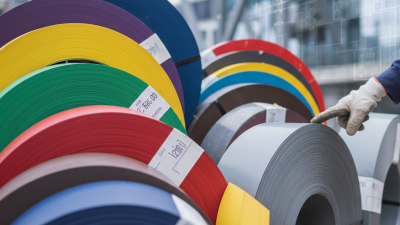
As industries strive for innovation, colorful steel coils have emerged as a vital resource. These materials offer aesthetic appeal and durability for various applications. According to a recent report by Global Market Insights, the colorful steel coil market is projected to reach USD 45 billion by 2026, indicating strong demand. Industry expert Dr. Sarah Lin stated, "Colorful steel coils enhance design possibilities while maintaining structural integrity."
The versatility of colorful steel coils is remarkable. From residential buildings to commercial infrastructure, their vibrant hues can elevate any project. However, selecting the right choice can be daunting. Factors like coating technology, color durability, and application environment must be considered. Even a minor oversight in these details can result in suboptimal outcomes.
Market trends show a growing preference for environmentally friendly options. As sustainability becomes increasingly important, manufacturers are focusing on eco-conscious production methods. This evolution highlights the need for ongoing research and development in the colorful steel coil industry. It's a reminder that while the choices are plentiful, careful consideration is essential. Creating a balance between aesthetic appeal and functional performance requires thoughtful reflection.
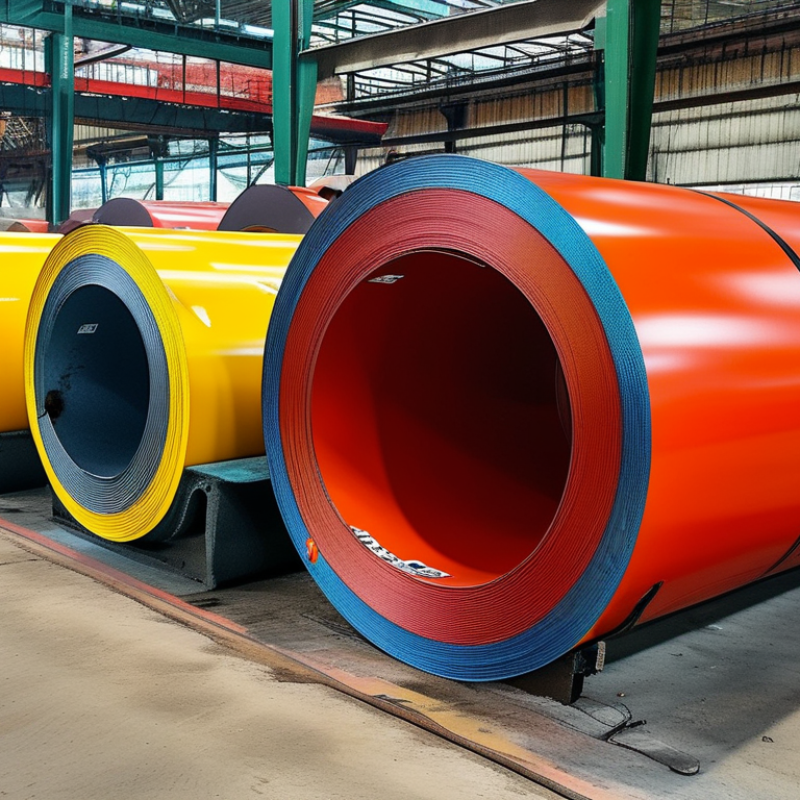
Best Colorful Steel Coil Options for Architectural Applications
Architects increasingly prioritize colorful steel coils in their designs. This trend enhances both aesthetics and functionality. A recent report highlights that the architectural coatings market is projected to reach $25 billion by 2027. This growth reflects a rising demand for visually appealing materials.
Colorful steel coils offer durability and versatility. They resist fading and damage, making them ideal for long-term projects. According to industry analysts, colorful steel can reduce energy costs by reflecting heat. This feature makes them suitable for sustainable building designs. Often, these materials are treated with protective coatings, extending their lifespan further.
However, selecting the right product isn't always straightforward. Factors such as color retention and surface finish can impact performance. Some architects find it challenging to achieve the desired color vibrancy and longevity. Moreover, varying regional standards can complicate sourcing. Therefore, careful consideration is essential. Engaging with experts can help navigate these complexities, ensuring a successful project outcome.
Top Color Coating Techniques for Enhanced Durability and Aesthetics
When it comes to colorful steel coils, the coating techniques play a crucial role. These methods not only enhance the visual appeal but also improve the durability of the material. One notable technique is polyester coating. It offers excellent UV resistance and is perfect for outdoor applications. This method allows for a vibrant finish that can withstand harsh weather conditions.
Another option is polyvinylidene fluoride (PVDF) coating. This technique provides exceptional longevity, making it suitable for architectural projects. PVDF coatings resist fading and chalking, maintaining their luster for years. Additionally, they are easy to clean and maintain, making them practical for various uses.
Tips for choosing the right technique: Consider the environment where the steel will be used. For coastal areas, opt for coatings with corrosion resistance. Always check the longevity of the chosen coating. A longer-lasting finish can save you time and costs down the line. Lastly, think about the initial color choice. It should align with the project's overall vision and requirements.
Best Colorful Steel Coil Options for Your Project Needs
Comparative Analysis of Colorful Steel Coils in Different Industries
Colorful steel coils are increasingly used across various industries, each requiring unique specifications. In the construction sector, these coils often enhance aesthetic appeal while providing durability. Architects and designers favor vibrant colors that stand out. They need finishes that resist fading to maintain their visual integrity over time. However, certain environments can challenge this, requiring ongoing evaluation of paint quality and application methods.
In the manufacturing industry, colorful steel coils serve both functional and marketing purposes. The dynamic colors can signify different products or quality levels. Yet, the production process must carefully balance color application with the steel's structural integrity. As industries evolve, feedback on color performance can lead to necessary adjustments. Achieving the ideal balance between appearance and function remains a continuous effort.
Moreover, the automotive industry leverages colorful steel to differentiate models and enhance brand identity. Vibrant colors boost consumer attraction in a competitive market. However, the durability of these colors under weathering conditions is often a concern. Manufacturers sometimes find that initial color vibrancy diminishes over time. Continuous research into advanced coatings can help address these challenges.
Sustainability in Colorful Steel Coils: Eco-Friendly Choices for Projects
Colorful steel coils are becoming increasingly popular in various projects. Their vibrant hues and finishes not only enhance aesthetics but also offer sustainable options for builders and designers. Choosing eco-friendly materials is crucial for minimizing environmental impact. Investing in colorful steel coils that are manufactured with sustainable practices can benefit your project and the planet.
One important tip is to look for suppliers who provide information about their sourcing and production processes. Transparent data on recycled content and manufacturing methods can guide you toward eco-friendly choices. Some companies may use water-based paints instead of harmful chemicals. These alternatives reduce the carbon footprint associated with production.
Consider the lifecycle of the steel coils you choose. Durable and recyclable materials like colorful steel can significantly lower waste and energy consumption during a project’s lifespan. This creates a positive impact on both communities and ecosystems. Balancing aesthetics with sustainability can seem challenging, but the right choices make it easier. Reflecting on your options ensures you prioritize both beauty and environmental responsibility.
Best Colorful Steel Coil Options for Your Project Needs
| Color |
Material Type |
Thickness (mm) |
Coating Type |
Recyclability (%) |
Applications |
| Red |
Galvanized Steel |
0.5 |
Polyester |
100 |
Roofing, Siding |
| Blue |
Aluzinc Steel |
0.6 |
PVDF |
90 |
Exterior Panels, Fences |
| Green |
Stainless Steel |
0.8 |
Epoxy |
85 |
Architectural Elements |
| Yellow |
Mild Steel |
0.4 |
Polyurethane |
95 |
Agricultural Equipment |
| Black |
Galvanized Steel |
0.7 |
Polyester |
100 |
Storage Containers |
Cost-Effectiveness of Colorful Steel Coils in Long-Term Building Solutions
Colorful steel coils offer a unique blend of aesthetics and functionality for construction projects. With their vibrant finishes, they enhance the visual appeal of buildings. At the same time, they maintain the strength and durability crucial for long-term use. A recent industry report highlighted that colorful steel coils can save up to 30% in maintenance costs over a typical lifespan due to their resistance to corrosion and fading.
Cost-effectiveness remains a key factor in choosing materials. Steel coils typically require less frequent repainting compared to traditional options. This extends the lifecycle of the exterior finish. A study published by the Steel Construction Institute indicated that buildings using colorful steel materials can reduce life cycle costs by up to 20%. These savings, combined with energy efficiency benefits, improve overall project viability.
While colorful steel coils provide numerous advantages, challenges exist. The initial investment can be higher than standard materials. This factor makes some project managers hesitant. Additionally, ensuring quality in the manufacturing process is crucial to avoid premature wear. Engaging with reputable suppliers is advisable to minimize these risks. Balancing upfront costs with long-term savings is a decision that requires careful consideration in the planning phase.