Cold Drawn Steel Pipe Specifications and Benefits for Buyers?
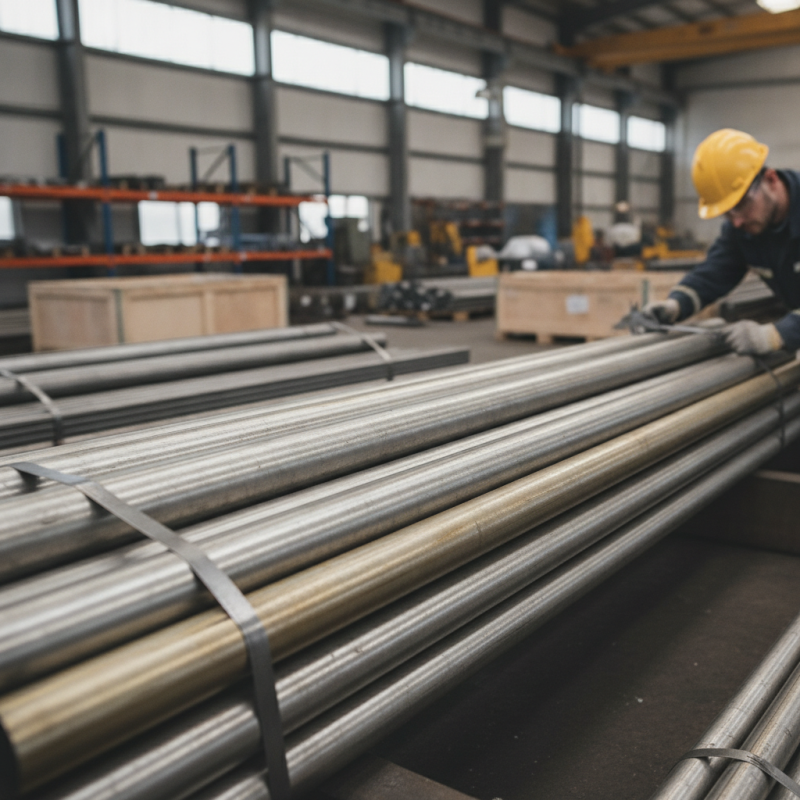
Cold Drawn Steel Pipe is vital in various industries. Its unique manufacturing process enhances its strength and durability. Buyers often require specific standards to meet their project needs. Understanding these specifications can aid in making informed choices.
The advantages of Cold Drawn Steel Pipe include superior dimensional accuracy and improved mechanical properties. This type of pipe is less prone to defects. However, not all suppliers guarantee the same quality. Buyers should conduct thorough research and verify credentials of manufacturers.
In summary, knowing the specifications and benefits of Cold Drawn Steel Pipe is essential. It ensures optimal performance for various applications. A careful approach can lead to better purchasing decisions. Being aware of potential flaws and discrepancies is crucial for success.
Cold Drawn Steel Pipe Overview and Characteristics
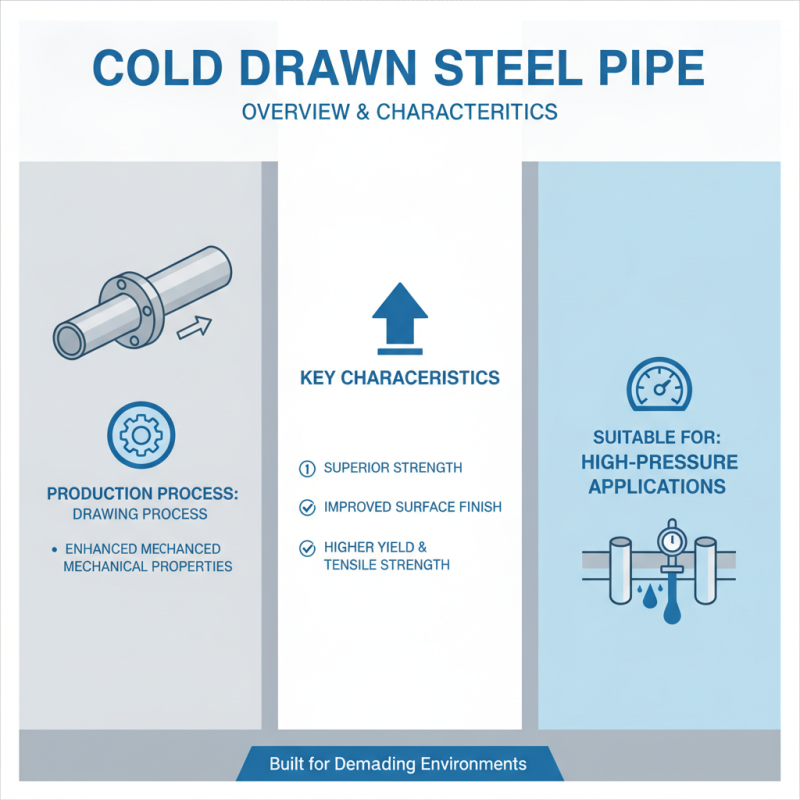
Cold drawn steel pipes are known for their unique characteristics. They are produced through a drawing process that enhances their mechanical properties. This method provides superior strength and improved surface finish compared to traditional pipes. The resulting pipes exhibit higher yield strength and tensile strength, making them suitable for high-pressure applications.
These pipes also have a precise dimensional tolerance. Buyers appreciate this feature, as it ensures ease of installation and reduces waste. The uniform wall thickness is another advantage, promoting reliable performance in various applications. However, some may overlook the importance of surface finish. A smooth surface can lead to better corrosion resistance, which is crucial for longevity.
Despite their benefits, buyers must consider potential limitations. The cold drawing process can introduce residual stresses in the material. These stresses may affect the pipe's performance over time. Additionally, the manufacturing process may lead to some imperfections. It is essential for buyers to inspect the specifications carefully and choose suppliers with a reputation for quality. Understanding these characteristics and potential drawbacks is key to making informed purchasing decisions.
Key Specifications for Cold Drawn Steel Pipes
Cold drawn steel pipes are essential components in various structural applications. Their specifications dictate their strength and durability. Typically, these pipes come with a diameter ranging from 1/8 inch to 24 inches, with wall thickness varying from 0.020 to 1 inch. The cold drawing process enhances the mechanical properties of the steel, yielding higher tensile strength compared to standard pipes.
Key specifications include yield strength, tensile strength, and elongation percentage. According to industry reports, cold drawn pipes often exhibit yield strengths exceeding 40,000 psi. They possess superior dimensional accuracy, with tolerances much tighter than hot-rolled alternatives. This precision is critical in applications where performance and fit are non-negotiable.
Tips: Always request material certification from suppliers. Verify the specific grades of steel used in the production. Ensure that the pipes fit your project requirements. Investing in high-quality materials can prevent future complications and ensure project success. Look for suppliers who provide detailed product specifications and compliance with industry standards. Remember, quality often translates to longevity in performance.
Advantages of Cold Drawn Steel Pipes for Buyers
Cold drawn steel pipes offer numerous advantages that make them a preferred choice for various applications. One significant benefit is their enhanced strength and durability. The cold drawing process aligns the steel molecules, resulting in a product that can withstand higher pressure and heavy loads. Buyers often appreciate this increased resilience, especially in construction and manufacturing.
Moreover, cold drawn steel pipes feature a smooth surface finish. This characteristic reduces friction, making them ideal for fluid transportation. The consistency in dimensions is another advantage. Buyers receive pipes that fit accurately into their systems, which minimizes waste and the need for adjustments.
However, it's essential to note that cold drawn pipes may have higher initial costs compared to other options. This cost must be weighed against the long-term benefits. Buyers should also consider the specific requirements of their projects. Not all applications will require the superior properties of cold drawn steel pipes. Therefore, assessing individual needs is critical for making informed decisions.
Cold Drawn Steel Pipe Specifications and Benefits for Buyers
| Specification |
Description |
Benefits |
| Outer Diameter |
Up to 400 mm |
Wide range for various applications |
| Wall Thickness |
1.5 mm to 25 mm |
Enhanced strength and pressure resistance |
| Material Grade |
ASTM A513, ASTM A106, etc. |
High reliability and durability |
| Finishing |
Galvanized, black, or polished |
Improved corrosion resistance |
| Length Options |
Customized lengths available |
Flexibility for project requirements |
| Applications |
Automotive, construction, manufacturing |
Versatile usage across industries |
Applications of Cold Drawn Steel Pipes in Various Industries
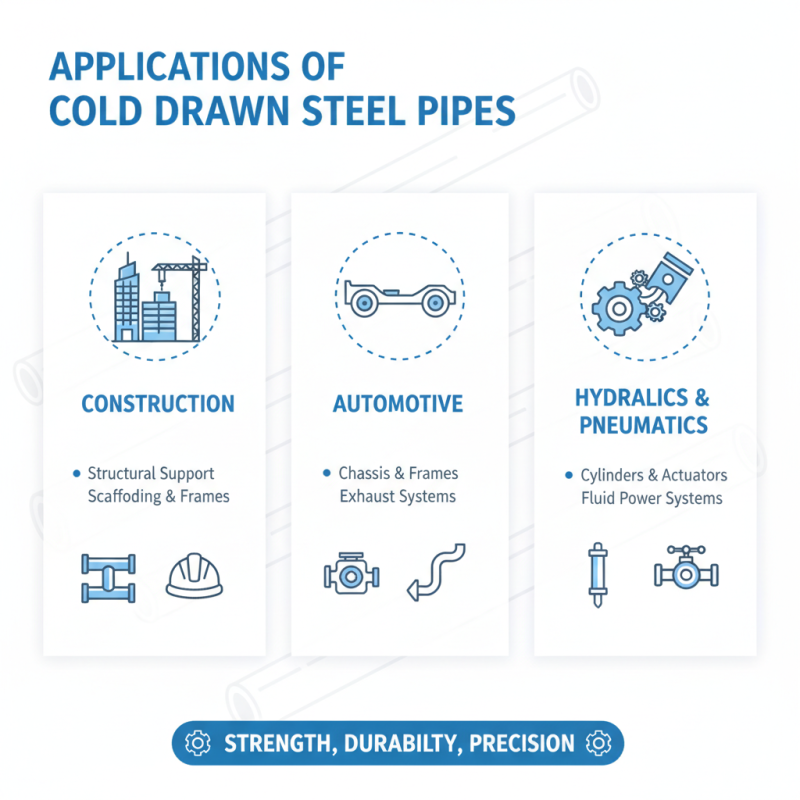
Cold drawn steel pipes are widely used across various industries due to their unique properties and advantages. In construction, these pipes offer exceptional strength and durability, making them ideal for structural applications. They can withstand high pressure and are often used in scaffolding, making construction projects safer and more efficient. The automotive industry also benefits from cold drawn steel pipes. These pipes are utilized in the manufacturing of critical components like chassis and exhaust systems, ensuring reliability and performance.
In the oil and gas sector, cold drawn steel pipes are essential. They are used in drilling and transportation due to their resistance to corrosion and ability to handle extreme conditions. This makes them vital for pipeline systems that require longevity and dependability. Additionally, the aerospace industry employs these pipes for manufacturing lightweight yet strong components, essential for efficient aircraft design.
**Tip:** When selecting cold drawn steel pipes, check specifications carefully. Ensure they meet the necessary standards for your industry. Quality matters; it can significantly impact performance.
Another key aspect to consider is the sourcing of these pipes. Not all suppliers maintain high production standards. Take the time to research manufacturers and their processes. A reliable supplier can make all the difference in your project's success.
Factors to Consider When Purchasing Cold Drawn Steel Pipes
When purchasing cold drawn steel pipes, buyers must consider several vital factors. The specifications of these pipes can vary significantly. Size, wall thickness, and material grade are key elements that affect performance. Each project may require different specifications to meet its load and pressure demands. Ensuring you choose the appropriate thickness and diameter is essential for safety and efficiency.
Another critical factor is the pipe’s application. Cold drawn steel pipes are often used in construction and automotive sectors. Understanding the specific needs of your industry can guide you in making better choices. Also, pay attention to the availability of certifications and standards. These elements can indicate the quality and reliability of the pipes.
However, not all suppliers provide clear information. Some may lack proper documentation. This can create uncertainty in the purchasing process. Take time to verify supplier credentials and seek expert advice. Scrutinizing the source of cold drawn steel pipes can save you from future challenges. Balancing cost with quality is a constant consideration. Always weigh the pros and cons before making a final decision.
Cold Drawn Steel Pipe Specifications and Benefits for Buyers
This bar chart represents key specifications for cold drawn steel pipes that buyers should consider when making a purchase decision. The dimensions in the chart include pipe diameter, length, weight, yield strength, and cost per foot.