Weathering Steel has transformed the construction industry. It provides both durability and aesthetic appeal. Renowned structural engineer, Dr. Emily Santos, highlights, "Weathering Steel is a game-changer for modern architecture." Her insights reflect the growing preference for this innovative material.
The advantages of Weathering Steel are remarkable. It develops a protective rust layer, which reduces maintenance costs. This feature attracts global buyers who value sustainability. Architects appreciate how the material ages beautifully, creating structures that harmonize with their environment.
Despite its benefits, the use of Weathering Steel requires careful consideration. It may not be suitable for all climates, especially those with extreme moisture. Decision-makers must evaluate its performance under specific conditions. This reflective approach can maximize its potential and minimize risks.
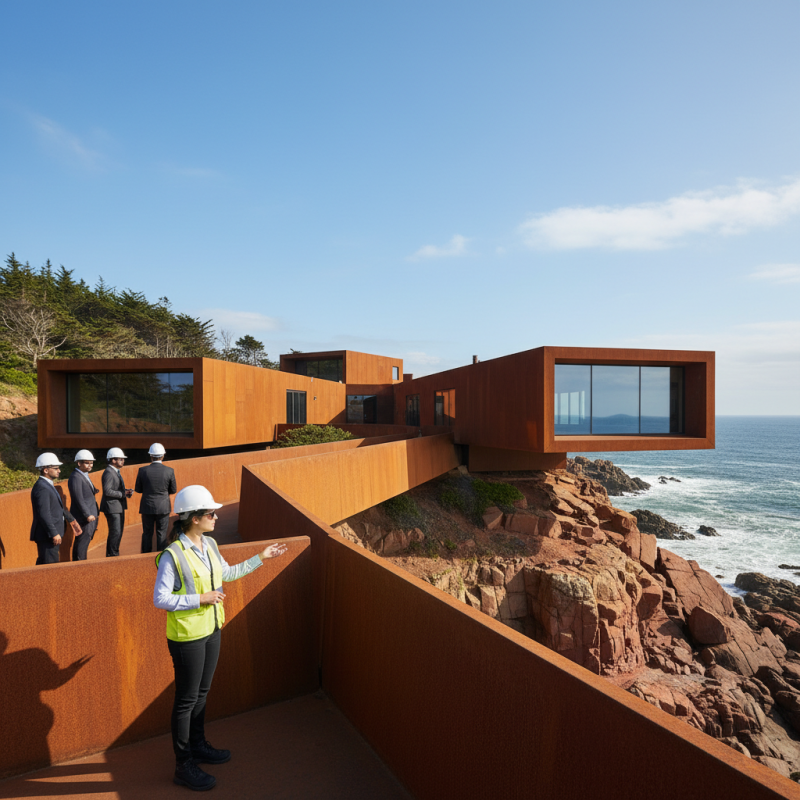
Weathering steel, known for its unique rust-like appearance, has gained popularity in various industries. Its ability to develop a protective patina makes it a sustainable choice. According to a 2022 industry report, the global market for weathering steel is expected to reach $4.5 billion by 2027, indicating rising interest from manufacturers and designers.
In construction, weathering steel provides both durability and aesthetic appeal. Buildings and bridges using this material can withstand harsh weather conditions. A study from the American Institute of Steel Construction found that structures made from weathering steel reduce maintenance costs by up to 30%. This significant saving emphasizes the material's long-term benefits.
However, challenges exist. Proper design and consideration are crucial for optimal performance. Not all weathering steel components develop adequate rust protection in humid climates. Environmental factors can affect the aging process, building owners must remain vigilant. Despite these imperfections, the global significance of weathering steel in sustainable construction continues to expand.
| Benefit | Description | Global Significance |
|---|---|---|
| Corrosion Resistance | Weathering steel develops a protective layer that enhances its durability against corrosion. | Eases maintenance costs globally, leading to less environmental impact. |
| Aesthetic Appeal | Rust-like appearance adds unique character to structures. | Increases tourism and property value in urban areas. |
| Sustainability | Made from recycled materials, contributing to reduced waste. | Supports global sustainability goals. |
| Low Maintenance | Requires less frequent maintenance compared to other steel types. | Reduces labor and material costs in construction worldwide. |
| High Strength | Offers excellent structural integrity, enabling taller and more durable designs. | Supports innovation in engineering projects globally. |
| Cost-Effectiveness | Lower lifecycle costs due to durability and decreased maintenance. | Enhances investment return for international projects. |
| Versatility | Applicable in various landscapes from bridges to sculptures. | Widens choices for architects and builders worldwide. |
| Resilience | Withstands extreme weather conditions, maintaining structural reliability. | Crucial for infrastructure in climate-sensitive regions globally. |
| Environmental Benefits | Promotes natural weathering process, reducing pollution. | Aligns with eco-friendly building practices around the world. |
| Improved Safety | Enhances safety by maintaining strength over time, reducing failure rates. | Important for global construction standards and regulations. |
Weathering steel, renowned for its remarkable durability, exhibits excellent corrosion resistance. This unique alloy develops a protective layer when exposed to moisture and oxygen. Studies indicate that buildings utilizing weathering steel can last over 50 years without significant maintenance. This long lifespan makes it ideal for infrastructure projects, where longevity is crucial.
In a recent industry report, weathering steel structures displayed a corrosion rate of only 0.4 mm per year compared to 1.0 mm in ordinary carbon steel. This shows that the protective patina enhances durability significantly. Importantly, this performance translates into reduced lifecycle costs. Clients can save money on repairs and replacements, reducing their long-term financial commitments.
Tip: Consider environmental conditions when selecting weathering steel. Areas with high humidity may require additional treatment for optimal performance. Regular inspections can further ensure the integrity of structures made from this material. Remember that while weathering steel is resilient, it is not invincible; monitoring its condition is vital to prevent unexpected issues.
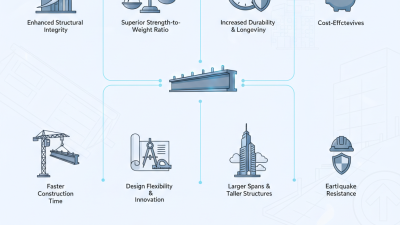
This chart demonstrates the top benefits of using weathering steel, showcasing its durability, corrosion resistance, aesthetic appeal, and cost-effectiveness compared to traditional steel. The data represents the perceived importance of each benefit among global buyers.
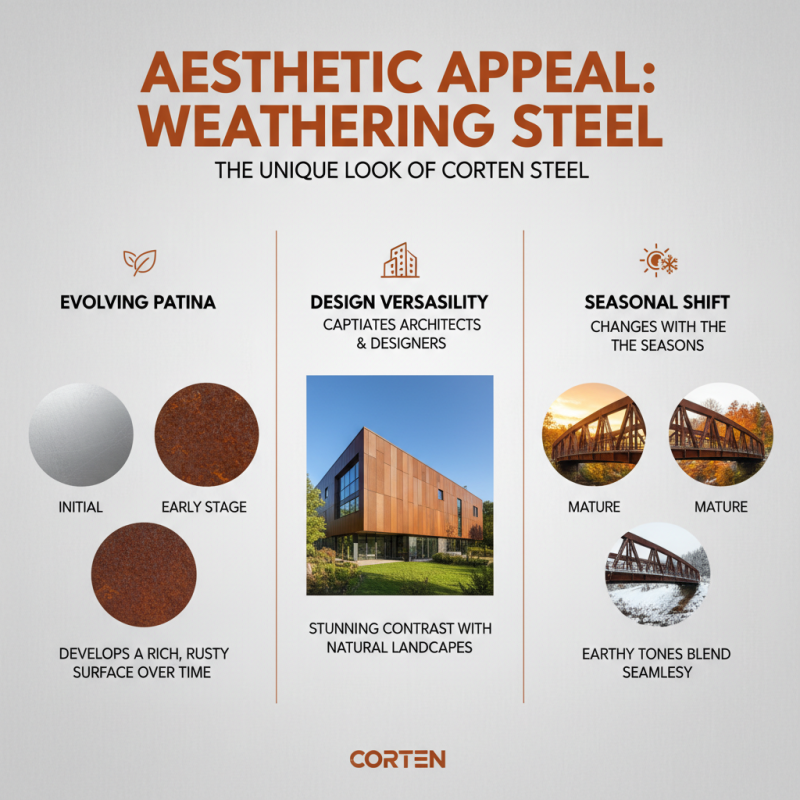
Weathering steel, often called corten steel, possesses a striking aesthetic appeal that captivates architects and designers. Its unique rusty appearance evolves over time, developing a rich patina. This can create a stunning contrast against natural landscapes. Many buildings and structures utilize this material for its eye-catching look that changes with the seasons. The earthy tones blend seamlessly into various environments, making it a preferred choice for modern designs.
Notably, weathering steel is not just about looks. It offers an authentic texture that can evoke different emotions. However, it can be temperamental; its color may not be uniform and can vary from one piece to another. This unpredictability can be both a blessing and a challenge for designers aiming for consistency. They must embrace the imperfections while highlighting the material’s unique charm. Prospective buyers should consider how these traits can enhance a project’s overall impact. Embracing the unknown is part of the beauty of using weathering steel in architectural endeavors.
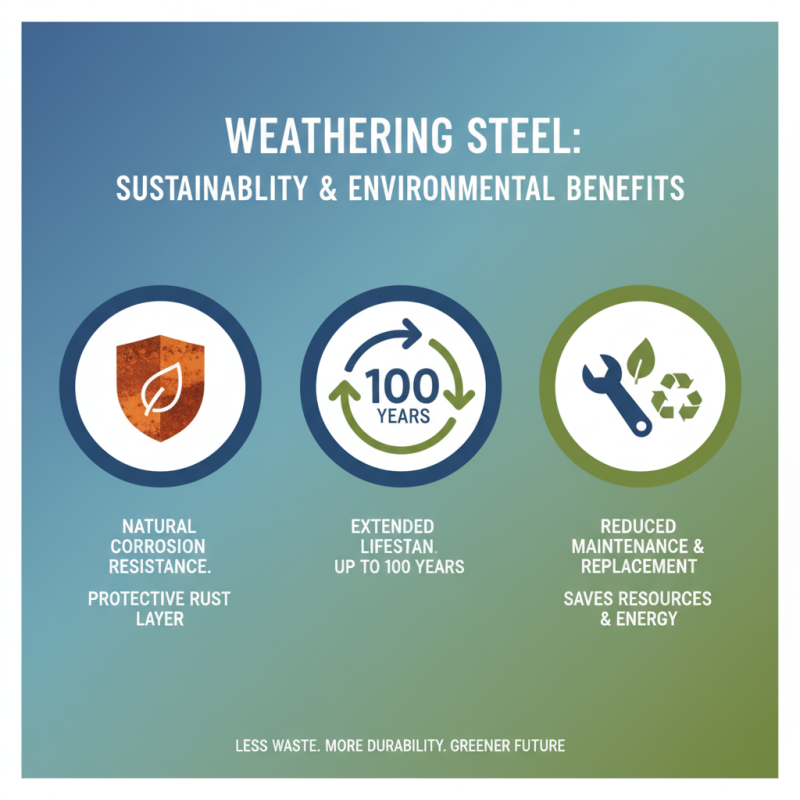
Weathering steel has gained attention for its environmental benefits. This material develops a protective rust layer that minimizes future corrosion. Studies show it can last up to 100 years with less maintenance than standard steel. This longevity reduces the need for replacements, saving resources and energy.
The production of weathering steel is also less energy-intensive. Reported data indicates that the carbon footprint is lower compared to conventional steel. While conventional steel emits approximately 1.8 tons of CO2 per ton produced, weathering steel’s unique properties may yield a 10-15% reduction in emissions. This contributes significantly to sustainable construction practices.
Despite its advantages, some challenges exist. The initial cost can be higher, which may deter some buyers. Additionally, its performance in severe climates raises questions. Weathering steel may not be suitable for all applications, particularly in coastal regions. Buyers must consider these factors when choosing materials. Climate and project specifics should guide decisions, ensuring a thoughtful approach to sustainability.
Weathering steel has gained popularity among global buyers due to its
unique properties. This type of steel develops a
protective layer of rust that enhances its
durability. This feature can lead to significant cost savings over time. When buyers
consider initial costs, weathering steel may seem pricier than standard options.
However, the long-term benefits often outweigh
these initial expenses.
The maintenance costs associated with weathering steel are lower, which adds to its
cost-effectiveness. Its ability to
withstand harsh weather conditions reduces the need for frequent repairs. This
durability means fewer resources spent on upkeep, providing long-term value.
Notably, weathering steel can last decades with little maintenance.
Additionally, its aesthetic appeal makes it a popular choice for various projects.
Architects and builders are drawn to its unique rusted finish. While some critics
argue about the initial appearance, many find the natural
aging process appealing. This material's blend of beauty and function showcases
its potential for diverse applications. Weathering steel stands as a reliable
investment for those seeking longevity and value.