What is Construction Steel Rebar and Why is it Important?
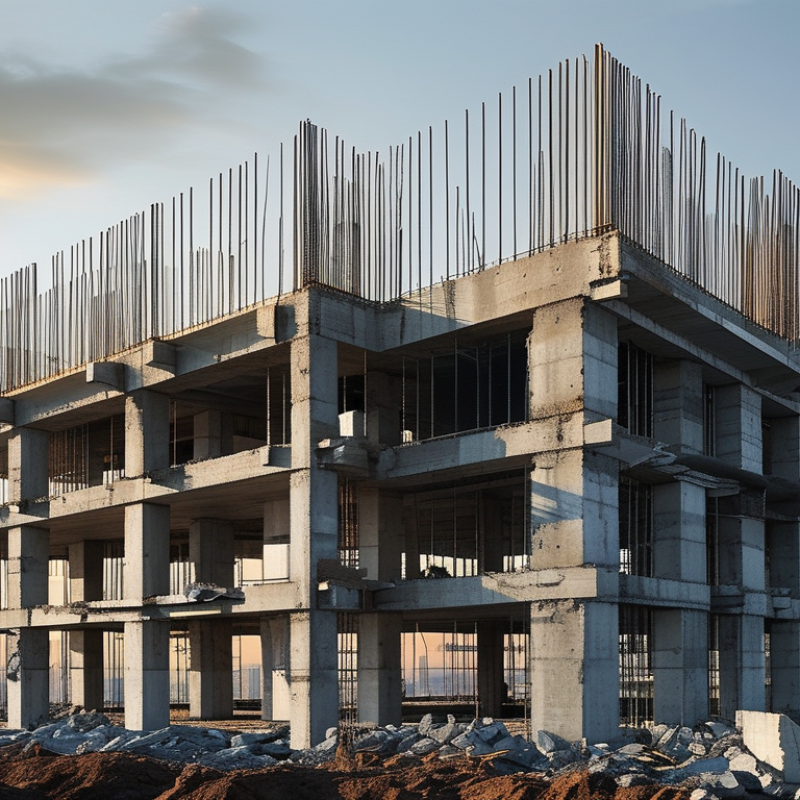
Construction Steel Rebar plays a crucial role in modern construction. It is essential for reinforcing concrete structures. Without it, buildings would be less stable and more prone to failure.
This steel bar is specifically designed to enhance the tensile strength of concrete. Its ridged surface allows for better bonding with concrete. This connection helps structures endure heavy loads and resist cracking.
Understanding the importance of Construction Steel Rebar can prevent costly failures. Many construction sites overlook the quality and specifications of rebar. This oversight can lead to serious safety issues. Proper selection and installation of rebar are vital for long-lasting structures. Evaluating how rebar is used can help improve construction practices for future projects.
What is Construction Steel Rebar?
Construction steel rebar, short for reinforcing bar, plays a vital role in modern construction. It is a steel bar or mesh that holds concrete structures together. Concrete is strong under compression but weak under tension. This is where rebar comes in. It provides the tension support needed for buildings and bridges, effectively improving their durability and longevity.
According to the World Steel Association, rebar usage is projected to reach 260 million tons annually by 2025. This substantial figure highlights the increased focus on infrastructure development globally. For instance, in the United States, about 90% of all concrete structures utilize rebar. This statistic underscores its importance in providing structural integrity.
However, not all rebar is created equal. Different grades exist, with varying tensile strengths. Some projects may necessitate higher grades for safety, particularly in seismic zones. It is crucial to evaluate which type of rebar aligns with the specific needs of a project. Inspecting quality and adherence to standards is vital. Compromising on these can lead to costly structural failures. Ultimately, understanding its characteristics and standards ensures safe and effective construction practices.
Importance of Different Types of Construction Steel Rebar
This chart displays the usage percentage of different types of construction steel rebar in the industry, highlighting their significance in various applications. From epoxy coated to stainless steel, each type plays a unique role in construction projects.
Types of Steel Rebar Used in Construction
Steel rebar, short for reinforcing bar, is essential in construction. It provides structural integrity and resistance to tensile forces. In the construction industry, various types of steel rebar are prevalent, each serving specific purposes.
The most common type is carbon steel rebar, known for its strength and affordability. According to data from the American Concrete Institute, this type accounts for over 90% of the rebar used globally. Galvanized rebar is another option. It offers enhanced corrosion resistance, making it suitable for buildings in harsh environments. A report by the World Steel Association highlights the growing demand for galvanized rebar due to increasing infrastructure projects in coastal regions.
Epoxy-coated rebar is also gaining traction. It features a protective coating that prevents corrosion. This type is often used in bridge construction and structures exposed to moisture. The International Association of Bridge and Structural Engineers notes that the lifespan of epoxy-coated rebar can exceed 50 years in severe conditions. However, its installation requires meticulous handling to avoid damage during placement. Each type of rebar has its strengths and weaknesses, and selecting the right one hinges on understanding the specific project requirements and environmental factors.
The Manufacturing Process of Steel Rebar
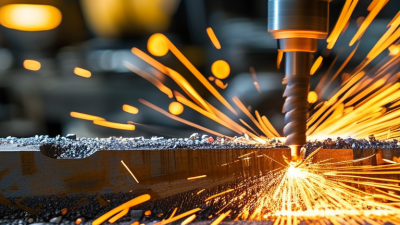
Steel rebar plays a crucial role in construction. Understanding its manufacturing process helps us appreciate its importance. The journey of steel rebar begins with iron ore. This ore is smelted in a furnace, transforming it into molten metal. The temperature in these furnaces often exceeds 1,500 degrees Celsius. This intense heat is necessary to remove impurities.
Next comes the shaping process. The molten steel is poured into molds, creating long bars. Once cooled, these bars are cut to specific lengths. Some bars are further processed to add ribbing. This ribbed texture enhances their bonding with concrete. The bonding strength is essential for structural integrity. However, achieving consistent quality can be challenging. Variations in temperature and material can affect the final product.
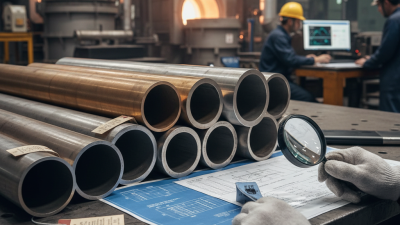
Finally, the rebar is inspected for defects. Any imperfections can compromise safety. Therefore, quality control is vital. Some manufacturers may overlook this aspect in production. This oversight can lead to structural failures over time, a concern that underscores the need for rigorous standards. Understanding these stages can help builders make informed choices. They rely on high-quality rebar to ensure the safety and longevity of their projects.
Key Benefits of Using Steel Rebar in Construction
Construction steel rebar is a crucial component in modern building practices. It is essential for reinforcing concrete structures. The use of steel rebar offers key benefits that enhance the strength and durability of constructions. By integrating steel rebar, builders improve a structure's resistance to tension and compression forces. This reinforcement is vital in tall buildings and bridges where stability is crucial.
One significant advantage is its ability to withstand environmental factors. Steel rebar helps prevent cracks in concrete caused by temperature changes. It maintains the integrity of the structure over time. Moreover, this material is cost-effective. While the initial investment may seem high, the long-term savings in maintenance and repairs are substantial. Steel rebar is also widely available, making it easy to source for various projects.
However, there are challenges when using steel rebar. It requires skilled labor for installation. Misalignment can compromise the effectiveness of the rebar. Additionally, the corrosion of steel can be a concern in certain environments. Therefore, applying protective measures is necessary. These complexities underscore the importance of using experienced professionals in construction projects.
What is Construction Steel Rebar and Why is it Important? - Key Benefits of Using Steel Rebar in Construction
| Dimension |
Value |
Benefit |
| Tensile Strength |
400 MPa |
Enhances structural integrity |
| Corrosion Resistance |
Coated and uncoated |
Increases durability and lifespan |
| Ductility |
Good |
Allows bending without breaking |
| Weight |
7.85 g/cm³ |
Facilitates ease of transportation |
| Cost |
Varies (average $700/ton) |
Cost-effective for large projects |
| Reinforcement Ratio |
1-3% of concrete* |
Optimizes concrete performance |
Common Applications of Steel Rebar in Building Projects
Steel rebar, or reinforcing bar, plays a crucial role in construction projects. Its primary function is to provide tensile strength to concrete structures. Concrete is strong in compression but weak in tension. By integrating rebar, builders enhance the durability and longevity of various structures.
Common applications of steel rebar include foundations, bridges, and high-rise buildings. In residential projects, it reinforces slabs and walls. For bridges, rebar ensures stability under heavy loads. In skyscrapers, it helps the structure withstand wind forces. These applications are essential in regions prone to earthquakes, as rebar improves the overall resilience of buildings.
However, the installation of rebar isn't always perfect. Misalignment or inadequate spacing may compromise structural integrity. Builders must pay close attention to placement details. Regular inspections are vital to ensure quality. Understanding the importance of steel rebar in construction can guide better practices and enhance safety in building projects.