What is Alloy Steel Tools and How are They Used?
Alloy Steel Tools play a crucial role in various industries, known for their strength and durability. These tools are made from a blend of steel and other elements, enhancing their properties for specific applications. Their versatility allows them to be used in everything from construction to manufacturing.
When creating Alloy Steel Tools, the right mixture of metals leads to better performance. This is important for professionals seeking reliable equipment. These tools can withstand high stress and temperature, making them indispensable in tough environments. However, selecting the right tool is not always straightforward. Professionals must analyze their needs and the specific demands of their projects.
There are mistakes to avoid when using Alloy Steel Tools. Not every tool suits every task. Users should reflect on their choices and how they can improve their process. Proper maintenance is also vital to prolong the tool's life. Overall, understanding the nuances of Alloy Steel Tools can lead to better outcomes in various applications.
What is Alloy Steel and Its Composition in Tool Manufacturing?
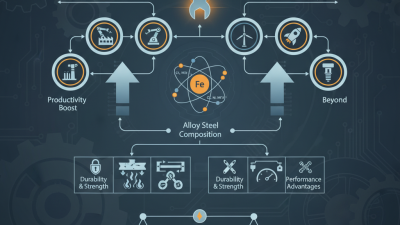
Alloy steel, a combination of iron with other elements, is crucial in tool manufacturing. It enhances strength, toughness, and wear resistance. Common alloying elements include chromium, molybdenum, and vanadium. Reports indicate that alloy steel can improve tool life by up to 50% compared to standard carbon steel.
In tool production, specific compositions are tailored for optimal performance. For example, high-speed steel (HSS) is an alloy that retains hardness at elevated temperatures. Data from industry studies show that tools made from HSS can cut more efficiently, leading to higher productivity rates. However, achieving the correct balance in alloy composition can be challenging. Manufacturers often experiment with different blends to meet specific tool requirements.
Yet, the variability in material properties can lead to inconsistent results. Tools may not meet performance expectations if the alloy isn't properly formulated. Continuous research is needed to refine these processes and ensure that tools not only meet industry standards but also adapt to evolving production methods. The importance of precise alloy compositions cannot be overstated in achieving reliability in tool performance.
Types of Alloy Steel Tools and Their Specific Properties
Alloy steel tools are essential in various industries due to their unique properties. Different types offer specific advantages. One common type is chromium-molybdenum steel. This alloy improves strength and resistance to wear. It is widely used in making heavy-duty tools and machinery.
Another popular variety is nickel-chromium steel. This type has excellent toughness and is ideal for tools subjected to shock.
Manganese steel is also notable. It is known for its high impact strength. This makes it suitable for tools used in mining and construction. Each alloy has distinct features that cater to specific applications. However, choosing the right alloy can be complex. It requires understanding both the tool's function and the material's characteristics.
Users often face challenges in selecting the right tool for their needs. Not every application demands cutting-edge technology. Sometimes, simpler materials can perform equally well. The key lies in the correct balance of properties. Reflecting on choices made provides insights. This understanding fosters better tool selection in the future.
Applications of Alloy Steel Tools in Various Industries
Alloy steel tools are widely used across various industries due to their unique properties. These tools offer better strength, durability, and resistance to wear compared to conventional steel. In construction, alloy steel tools such as drills and saw blades are essential. They can withstand intense pressure and heat, allowing workers to perform tasks efficiently.
In the automotive industry, alloy steel tools are critical in manufacturing components. Wrenches and sockets made from alloy steel provide the necessary torque without deforming. This reliability ensures that engines and other machinery operate smoothly. However, while they offer great benefits, improper use or maintenance can lead to damage or reduced performance.
Furthermore, in the aerospace sector, alloy steel tools play a vital role in ensuring safety and precision. Fasteners and fittings require strict adherence to standards, and alloy steel meets these requirements effectively. Nevertheless, even minor flaws in tool quality can have significant consequences. It is essential to regularly assess the condition of these tools to maintain operational integrity.
Advantages of Using Alloy Steel Tools Over Other Materials
Alloy steel tools offer distinct advantages over tools made from other materials. Their unique composition includes a variety of metals, enhancing strength and durability. A report from the American Iron and Steel Institute states that alloy steel can be more resistant to wear and deformation, which significantly extends tool life. In industries requiring precision, such as aerospace and automotive, these qualities are crucial.
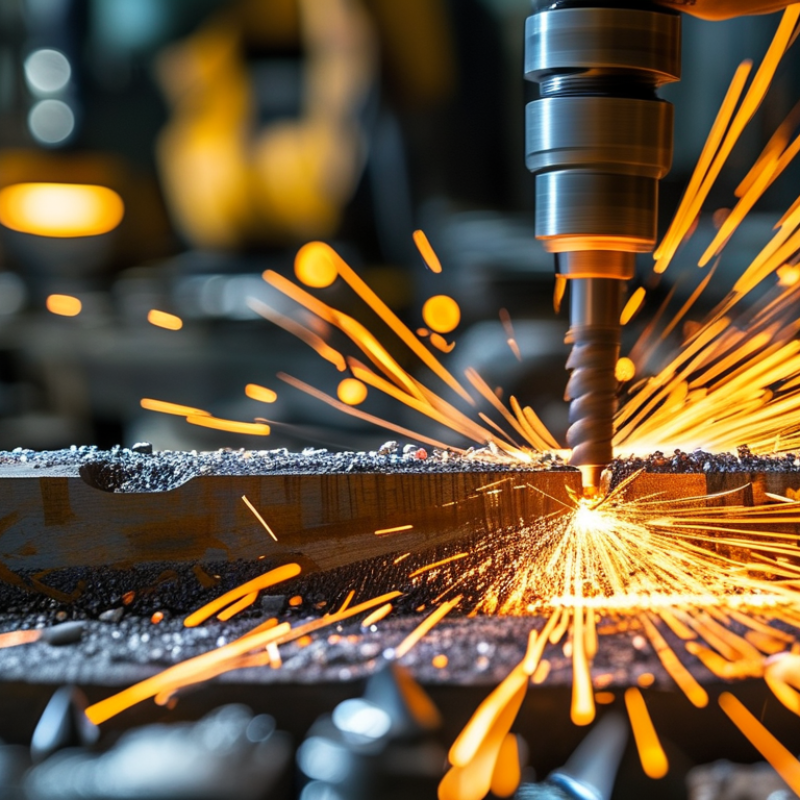
Thanks to their heat treatment capability, alloy steels can achieve high hardness. This results in cutting tools that maintain a sharp edge for extended periods. Research shows that tool wear can be reduced by up to 30% when using alloy steel compared to carbon steel. This reduction can lead to cost savings through less frequent replacements and minimized downtime in production.
However, while they offer benefits, alloy steel tools can sometimes be more challenging to work with. The increased hardness can make machining more difficult, posing a learning curve for some users. Additionally, they often require careful handling to prevent chipping. Addressing these challenges is essential for maximizing the potential of alloy steel tools. Investing in training and specialized equipment can yield significant returns in performance and efficiency.
Maintenance and Care for Alloy Steel Tools for Longevity
Maintaining alloy steel tools is crucial for ensuring their longevity and optimal performance. These tools require
regular cleaning to prevent rust and corrosion. A simple wipe down with a damp cloth can often suffice.
However, tool users should be vigilant. According to the latest industry report by the Steel Construction Institute, neglecting proper care
can reduce a tool’s lifespan by 30%.
Proper storage is equally important. Storing alloy steel tools in a dry, cool place minimizes exposure to moisture. This tip is especially vital in humid environments.
A dedicated toolbox can protect against accidental damage and environmental factors. In a recent survey, about
40% of professionals admitted they do not follow optimal storage practices. Such oversight can lead to costly repairs or replacements.
Regular inspection plays a key role in maintenance. Tools should be examined for any signs of wear or damage before use. Dull edges can compromise effectiveness
and safety. Industry studies indicate that regular sharpening can enhance a tool's functionality by up to 50%.
Users need to reflect on their routines and identify areas for improvement. Simple adjustments can make a significant difference in tool performance and lifespan.