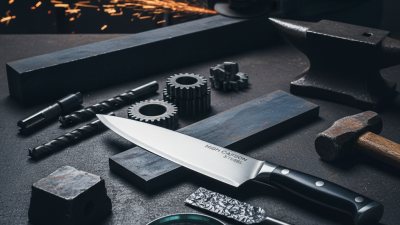
High Carbon Steel Types and Their Best Global Suppliers?
High Carbon Steel is essential in various sectors, including automotive and construction. The material is known for its strength and durability. According to recent reports by the World Steel Association, the demand for high carbon steel is projected to grow by 5% annually over the next five years. This increase is attributed to its application in high-strength products.
Experts in the field emphasize the importance of sourcing quality materials. Dr. Emily Thompson, a renowned metallurgist, states, “The right supplier can significantly impact the performance of high carbon steel applications.” This insight underlines the need for companies to identify reputable suppliers globally.
Despite the challenges in sourcing high carbon steel, innovation in supply chain management is essential. Some suppliers may lack transparency, complicating the procurement process. Addressing these gaps can lead to better material choices and enhanced project outcomes. Many manufacturers are focusing on sustainable practices, which can sometimes conflict with traditional methods. Balancing these aspects is key to future success in the industry.
High Carbon Steel: An Overview of Its Properties and Uses
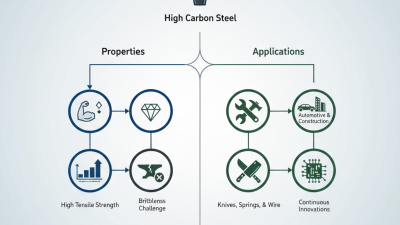
High carbon steel is known for its high hardness and strength. It contains approximately 0.6% to 1.4% carbon content. This significant carbon level contributes to its remarkable wear resistance. These properties make high carbon steel ideal for various applications. Tools, blades, and reinforced structures often rely on its durability.
However, working with high carbon steel can be challenging. Its rigidity may lead to brittleness. Users must consider balance when choosing this material. In certain environments, its lack of ductility may result in unexpected failures. It’s crucial to evaluate the specific application requirements carefully.
Tips: Always conduct a stress analysis before finalizing designs. This practice could prevent potential issues. Testing small batches can reveal how the material performs under real-world conditions. Understanding the potential trade-offs with high carbon steel will lead to better decision-making.
Types of High Carbon Steel and Their Distinct Characteristics
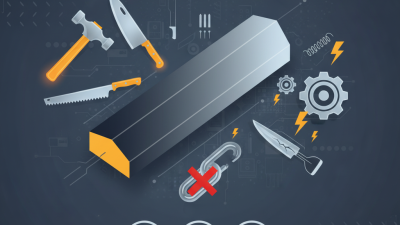
High carbon steel is known for its strength and hardness. It typically contains 0.6% to 1.4% carbon. This high carbon content enhances its wear resistance but makes it less ductile. It is ideal for applications needing durability, such as cutting tools and springs.
Each type of high carbon steel has unique properties. For example, 1070 steel offers high hardness, making it suitable for tools and edges. On the other hand, 1095 steel, with its high carbon content, is favored for tool making. This adaptation to various uses is why high carbon steel is prevalent in industries worldwide.
Tips: When choosing high carbon steel, consider your application needs carefully. Testing the material can prevent failures. Different suppliers may offer varying quality levels. Always check for reliability and expertise in the field.
Top Global Suppliers of High Carbon Steel: A Comprehensive List
High carbon steel is a critical material in various industries, known for its strength and durability. This type of steel typically contains 0.6% to 1.5% carbon, which significantly enhances its hardness. According to a recent report by the International Journal of Materials Science, high carbon steel is often used in manufacturing tools, automotive components, and structural applications.
When looking for global suppliers, it's essential to consider their reliability and expertise in steel fabrication. The World Steel Association notes that leading suppliers often have robust supply chains and advanced processing technologies. Factors like production capacity and quality control measures play a crucial role in determining the best suppliers. It's important to analyze suppliers not just by price but also by their adherence to industry standards.
Some regions dominate the high carbon steel market, showing consistency in quality and innovation. Emerging markets are also contributing significantly. However, potential buyers must reflect on the sustainability practices of these suppliers. Responsible sourcing is becoming a focal point as global industries push for greener alternatives. The balance between cost and quality remains a challenge for many organizations.
High Carbon Steel Types and Their Global Suppliers
Factors to Consider When Choosing High Carbon Steel Suppliers
When selecting high carbon steel suppliers, several factors demand careful consideration.
Material quality is paramount. High carbon steel varies in carbon content, typically between 0.6% to 1.4%. This impacts hardness and ductility. A recent study showed that the tensile strength of carbon steel increases proportionally with carbon content, up to a certain threshold.
Supplier expertise also plays a key role. Industry reports indicate that suppliers with a long history in steel fabrication can better guarantee compliance with international standards. Look for suppliers with certifications from recognized organizations. This enhances trust. Moreover, consider their production capabilities. A supplier's ability to deliver on time can significantly affect supply chain efficiency.
Price should not be the only deciding factor in your selection process. While competitive pricing is attractive, the total cost of ownership must include quality, service, and reliability. Fluctuating market prices can affect steel costs. It is wise to analyze historical trends before making decisions. This holistic approach will arm you against potential supply chain disruptions and ensures a steady flow of high-quality high carbon steel.
Applications of High Carbon Steel in Various Industries
High carbon steel is a unique alloy known for its hardness and strength. Its applications span various industries, making it a popular choice in manufacturing. This material is often used in the production of cutting tools, springs, and high-strength wires. Its high tensile strength allows it to withstand heavy loads, making it ideal for construction projects.
In the automotive industry, high carbon steel is crucial for components that require durability. It is commonly used in manufacturing gears, axles, and other critical parts. The ability to retain sharp edges makes it indispensable in the tool-making sector. Industries that rely on precision also favor high carbon steel due to its wear resistance.
Tips: Always consider the specific requirements of your project. Assess factors like hardness and flexibility when selecting high carbon steel. This ensures optimal performance in your application. Moreover, it is important to source materials from reputable suppliers. Quality assurance plays a vital role in the longevity of the final product. Remember, understanding the properties of high carbon steel can lead to better design choices.