High Strength Steel Buying Tips for Global Suppliers?
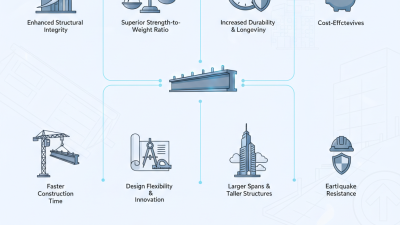
High Strength Steel is becoming essential in various industries, from automotive to construction. Experts forecast that the demand for High Strength Steel will grow by over 5% annually, driven by the need for lightweight and durable materials. According to the latest market report by Smith Steel Research, this growth reflects a significant shift towards more innovative engineering applications.
Dr. John Reynolds, a recognized authority in materials science, emphasizes, “High Strength Steel enhances structural integrity while reducing overall weight.” This statement underlines the increasing recognition of High Strength Steel's vital role in modern engineering. However, challenges remain. Sourcing reliable suppliers can be complex, as quality varies across the global market.
Selecting the right High Strength Steel requires diligence. Understanding specifications and material grades is crucial. The industry is dynamic, with new suppliers emerging regularly. Buyers must navigate these changes carefully. This complexity highlights the importance of informed decision-making and thorough research when sourcing High Strength Steel products.
Understanding Different Grades of High Strength Steel
High strength steel is essential in various industries, including construction and automotive. Understanding different grades is crucial for making informed purchases. Iron and Steel Institute reports that high-strength steel has yield strengths that exceed 300 MPa. Various grades, like ASTM A992 and A572, suit specific applications.
ASTM A992 is known for its superb structural performance. It often appears in steel buildings and bridges. Conversely, ASTM A572 offers great versatility in a range of environments. It is crucial to choose the right grade for the specific demands of a project. Choosing the wrong type can lead to severe structural issues, even failure.
The difference in alloying elements plays a significant role in performance. This affects corrosion resistance and weldability. For instance, high carbon content can lead to brittleness. Potential buyers should reflect on their needs to avoid costly mistakes. Quality data on these products can help guide decisions. Understanding these nuances ensures a safer investment in high-strength steel.
Evaluating Supplier Credentials and Certifications
When evaluating suppliers for high-strength steel, assessing their credentials is crucial. Look for certifications such as ISO 9001, which indicates quality management. According to a 2021 report from the World Steel Association, suppliers with recognized certifications are 30% more likely to meet industry standards. Verification of these credentials should be a priority in your selection process.
Another important factor is the supplier's experience in the field. An experienced supplier may have handled similar projects or materials. This could reduce unforeseen complications. Researching a supplier’s past performance can provide insights into their reliability. A study from the American Iron and Steel Institute suggests that 65% of successful projects attribute their achievement to reliable supplier partnerships.
Moreover, understanding the supplier’s manufacturing processes can reveal their commitment to quality. Inspect how they ensure quality control. Some suppliers may not follow consistent practices, leading to variability in material strength. Acknowledging this gap is essential for making informed decisions. Balancing these factors can significantly enhance supply chain effectiveness and reliability in obtaining high-strength steel.
Assessing Steel Composition and Performance Characteristics
When buying high-strength steel, understanding the composition and performance characteristics is crucial. Steel varies significantly based on its alloying elements. Common additives include manganese, chromium, and nickel. Each element contributes to strength and corrosion resistance in different ways. Assessing these components helps predict how the steel will perform in specific applications.
Performance is as essential as composition. The yield strength and tensile strength of steel are key indicators. Yield strength refers to the point where the material starts to deform. In contrast, tensile strength indicates the resistance to being pulled apart. Look for data sheets that provide this information. It’s also wise to inquire about the steel's ductility and toughness, which affect its ability to withstand impact and bending.
Sourcing high-strength steel is not always straightforward. Different suppliers may have variations in their production processes. This can lead to inconsistencies in quality. It's beneficial to request samples for testing. Engaging in discussions with suppliers about their quality assurance practices can provide insight into their reliability. Consider seeking expert opinions or certifications to support your decision-making process. Being informed will empower you to make the best choice for your projects.
Comparing Pricing Models Among Global Suppliers
When sourcing high-strength steel globally, understanding pricing models among suppliers is critical. A recent report from the International Steel Association shows that pricing can vary significantly. For instance, some suppliers benchmark against market rates while others may base pricing on supply chain costs. This inconsistency can lead to confusion for buyers.
Several factors influence pricing in the high-strength steel market. One major aspect is production volume. Suppliers with higher output often enjoy reduced costs, allowing for competitive pricing. However, quality cannot be compromised. A study revealed that 30% of buyers prioritize quality over cost. This highlights the complexity of balancing budget constraints with the need for reliable materials.
Market conditions also play a vital role. Economic fluctuations can impact raw material prices, directly affecting steel costs. Suppliers with transparent pricing models tend to foster better buyer relationships. Yet, not all suppliers provide clear price breakdowns, making it challenging for buyers to assess value accurately. Therefore, it's essential to request detailed quotes and understand the factors influencing those prices.
High Strength Steel Buying Tips for Global Suppliers
| Supplier Region |
Average Price per Ton (USD) |
Quality Standard |
Lead Time (Days) |
Payment Terms |
| North America |
$850 |
ASTM A992 |
15 |
Net 30 Days |
| Europe |
€900 |
EN 10025 |
20 |
Letter of Credit |
| Asia |
$700 |
JIS G3101 |
30 |
Cash in Advance |
| South America |
$800 |
NBR 8800 |
25 |
Net 15 Days |
Logistics and Delivery Considerations for Steel Procurement
When procuring high-strength steel, logistics and delivery are crucial. Choosing a reliable partner can streamline your supply chain. Consider factors like transportation methods and lead times.
Road, rail, and maritime options each have pros and cons. For example, shipping by sea may reduce costs but extend delivery times.
Communication with suppliers is essential. Regular updates help manage expectations. Delays can occur, so a proactive approach is key. Encourage flexibility in your logistics plan. If issues arise, being prepared can minimize disruptions.
Evaluate your current practices. Assess whether you are optimizing routes and load capacities. Are your suppliers meeting their deadlines? Sometimes, it’s necessary to reconsider your suppliers. Remember,
logistics can make or break your procurement process.