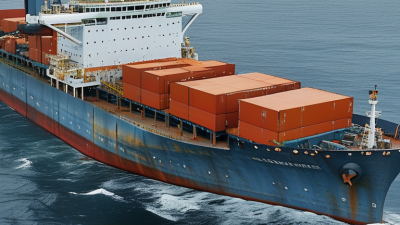
Marine Steel selection in 2026 is less about finding one “best” grade and more about matching steel to service conditions. A hull plate faces waves, salt spray, impact, and years of maintenance decisions. A ballast tank brings a different mix of moisture, coatings, and corrosion risk. The right choice depends on the vessel, the component, and the applicable classification requirements.
For this illustrative introduction, fictional marine materials engineer Dr. Mira Chen offers a guiding line: “A steel grade earns its place at sea through performance in its actual environment—not through its name alone.” This is an original, illustrative quotation, not a statement from a verifiable industry source.
The guide will compare common shipbuilding grades such as AH36, DH36, and EH36, alongside stainless and duplex steels used in selected marine systems. Each has trade-offs. High-strength plate can help reduce structural weight, but fabrication and welding still matter. Stainless steel resists corrosion in many settings, yet it is not immune to damage or poor material selection. Small details count: a cut edge, a weld seam, or a coating defect can influence long-term upkeep.
There is no universal winner. Not quite. This overview will focus on strength, toughness, corrosion resistance, weldability, and practical availability, while distinguishing typical uses from project-specific engineering decisions. For final selection, buyers and designers should verify grade certificates, standards, and class requirements with qualified professionals.
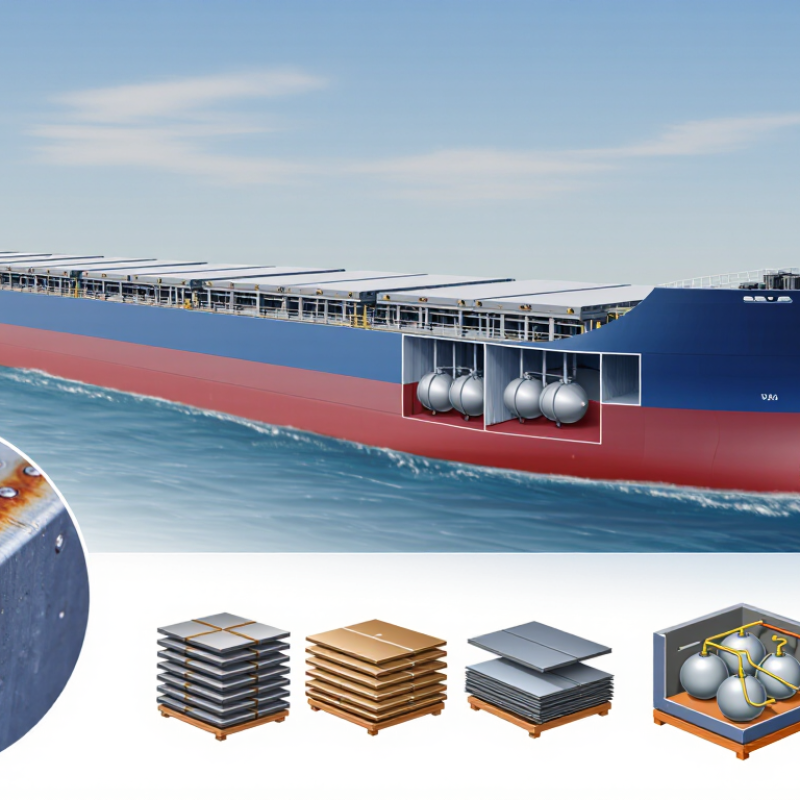
Marine steel is classified by strength, impact toughness, and testing requirements—not by one universal “best” grade. For vessel construction, common normal-strength grades include A, B, D, and E. Higher-strength grades use designations such as AH, DH, and EH. The letter and grade indicate requirements that affect material selection and verification. Details depend on the applicable classification rules.
For 2026 projects, compare the grade with the plate’s thickness, hull location, expected service temperatures, and welding procedure. A deck plate and a structural member exposed to different loads may need different specifications. Higher strength can reduce weight, but it does not automatically make a design safer or easier to fabricate. The grade table helps, yet it can become a shortcut if the actual vessel conditions are ignored. Marine steel also needs suitable detailing and corrosion protection; it is not inherently corrosion-proof.
Tips: Check mill certificates against the approved drawings and required class notation. Confirm impact-test and welding requirements before cutting plates. Keep identification marks visible during storage. Cold-weather service matters. When uncertain, ask the vessel’s design engineer or classification surveyor to verify the specification.
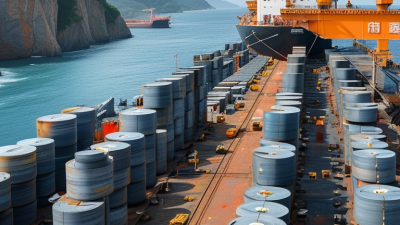
For general shipbuilding, normal-strength carbon steel remains a practical choice for decks, bulkheads, and stiffeners where loads are moderate. The IACS Unified Requirement W11 lists a minimum yield strength of 235 MPa and tensile strength of 400–520 MPa for these grades. Grades A, B, D, and E share this strength range, but differ in impact-toughness requirements. That distinction matters when a vessel may face cold service or repeated shock loads. Grade choice should follow the approved design and class rules, not price alone.
Check the mill certificate and heat number against the plate markings before fabrication. Then match the grade to thickness, operating temperature, and welding procedure. A higher toughness grade may be specified where brittle fracture risk needs closer control, while ordinary plate can suit less demanding structural zones. Details matter. IACS W11 sets material requirements, but it does not replace project-specific engineering review. In practice, fit-up gaps, damp surfaces, and rushed preheating can complicate a sound material choice. The paperwork can look tidy; the workshop rarely does. Verify impact-test requirements and weldability with the engineer and classification society before ordering.
Typical minimum yield strengths for common hull structural steel grades. Ordinary-strength grades A, B, D and E are widely used for general shipbuilding; higher-strength grades are selected where the design requires greater strength.
Values shown are grade minimums, not guaranteed properties of every supplied plate. Grades D and E have additional impact-toughness requirements; choose steel to the vessel’s design, service conditions and applicable classification requirements, and verify the mill certificate.
What Are the Top Marine Steel Types for 2026?
High-strength marine steels offer an advantage when a vessel needs strong structure without unnecessary weight. Grades such as AH36, DH36, and EH36 are familiar choices, while higher-strength grades may suit demanding structural areas. Exact options depend on the applicable design rules and project requirements.
Their lower weight can help reduce loads on hull structures and support efficient layouts. This can matter in deck panels, hull girders, and other heavily loaded sections. But thinner or lighter steel is not automatically cheaper. It can require tighter control of welding, distortion, and local buckling. Not everywhere. A weight-saving estimate needs to include fabrication and inspection, not just the material calculation.
Material selection should account for strength, toughness, plate thickness, operating temperature, and expected loading. Weld procedures and inspection plans matter, too. High strength does not replace sound corrosion protection or careful detailing around joints. Small details count. Grade certificates and traceability help confirm that delivered plate matches the design, while final choices should be checked against project specifications and relevant classification requirements. A spreadsheet can make this decision look simpler than it is.
| Steel Type | Typical Minimum Yield Strength | Impact-Test Temperature | Marine Corrosion Performance | Common Marine Uses | Where It Offers an Advantage |
|---|---|---|---|---|---|
| AH36 | 355 MPa | 0°C | Requires suitable coating and corrosion protection, like other conventional hull steels. | Ship hulls, decks, and structural members in moderate service conditions. | Higher strength than 235 MPa normal-strength shipbuilding steel can allow lighter structural scantlings when approved by the design rules. |
| DH36 | 355 MPa | −20°C | Requires coating and detailing that manage corrosion, water traps, and maintenance access. | Hull structures and welded components where improved low-temperature impact toughness is required. | Combines 36-grade strength with a lower impact-test temperature than AH36, supporting service in colder environments. |
| EH36 | 355 MPa | −40°C | Requires conventional marine coating and corrosion-control measures. | Cold-region vessels and structural areas specified for enhanced low-temperature toughness. | Useful when the design requires a lower-temperature impact qualification while retaining 36-grade strength. |
| AH40 | 390 MPa | 0°C | Requires coating and corrosion protection; higher strength does not itself improve corrosion resistance. | Strength-critical ship structures designed and approved for 40-grade plate. | Provides higher nominal yield strength than 36-grade steel, potentially reducing structural weight where scantlings and buckling checks permit. |
| DH40 / EH40 | 390 MPa | −20°C / −40°C, respectively | Requires conventional marine corrosion protection and appropriate inspection planning. | Higher-strength structures for colder service conditions, subject to the applicable design and class requirements. | Combines 40-grade strength with the lower-temperature impact qualification associated with the D or E quality designation. |
| 316L Stainless Steel | Typically 170 MPa minimum for annealed plate under common product specifications | Not directly comparable; depends on product specification and test requirements. | Good general corrosion resistance, but seawater chlorides can cause pitting and crevice corrosion, especially in stagnant or shielded areas. | Selected fittings, equipment, and components where fabrication and the specific exposure suit the alloy. | Useful where its corrosion resistance and fabrication characteristics are needed; it is not a like-for-like high-strength hull-plate substitute. |
| Duplex Stainless Steel 2205 | Typically 450 MPa minimum for annealed plate under common product specifications | Not directly comparable; depends on product specification and test requirements. | Generally more resistant to chloride pitting and stress-corrosion cracking than 316L, but seawater suitability still depends on temperature, crevices, and design. | Selected marine equipment, piping, and structural components where chloride resistance and strength justify the material choice. | Offers a higher strength-to-weight potential than many austenitic stainless steels, alongside improved chloride resistance; welding and material selection need specialist control. |
| Figures are indicative minimum values for common grades and product specifications. Shipbuilding-steel impact-test temperatures follow the grade designation; actual acceptance requirements can vary by standard, thickness, and classification rules. Confirm material certificates, design requirements, welding procedures, and corrosion protection for each project. | |||||
Marine steel selection depends on chloride levels, temperature, flow, and cleaning conditions—not simply proximity to the sea. Type 316L stainless steel suits many exposed fittings and sheltered equipment. Yet warm, stagnant seawater can trigger pitting or crevice corrosion, especially beneath gaskets and deposits. Salt water is unforgiving. For seawater pipes or heavily loaded structures, duplex stainless steel may offer stronger resistance and higher strength.
The NACE International IMPACT study estimated corrosion costs at US$2.5 trillion annually, or about 3.4% of global GDP. It also estimated that applying existing corrosion-control practices could save 15–35% of those costs. This is a broad, cross-industry estimate, not a marine-steel price guide. Still, it shows why material choice and maintenance deserve early attention.
In practice, compare the steel grade with the actual service conditions. Duplex grades can be a good fit for pumps, shafts, and seawater systems, but welding quality and heat treatment matter. Even a suitable alloy can fail at a poorly designed joint. Check supplier certificates, inspect crevices, and confirm compatibility with nearby metals. One detail is easy to miss: a component that works in flowing seawater may corrode faster in a stagnant pocket. The perfect grade is not always obvious.
Choose hull steel by structural demand, operating temperature, and vessel service—not by strength alone. Conventional grades such as A, B, D, and E suit many hull structures, while higher-strength grades such as AH36 can reduce structural weight when engineering and class rules permit. IACS Unified Requirement W11 sets technical requirements for hull structural steels, including grade and impact-test considerations. UNCTAD’s Review of Maritime Transport 2024 reported 2.4% growth in seaborne trade during 2023, reinforcing the need to plan vessels for demanding service. That figure does not dictate a steel grade; each vessel’s design conditions do.
For seawater piping or chemical-service areas, stainless and duplex steels may offer better corrosion resistance than ordinary carbon steel. But they are not maintenance-free. Chlorides, crevices, weld quality, and cleaning all matter. High-strength plate also does not automatically mean thinner, cheaper construction; buckling, fatigue, and corrosion allowances can limit savings. The awkward part is that a technically stronger material can still be the wrong fit.
Tips: Match the specification to the vessel zone. Check class-approved grade, plate thickness, minimum service temperature, and weld procedure. For hulls, pair suitable carbon steel with a coating and corrosion-control plan. For seawater systems, review the fluid, temperature, and crevice risks before choosing stainless or duplex. When the duty cycle is uncertain, document the assumptions and revisit them with the naval architect.